
SOUTH KOREA – As soon as we hear this name, numerous images of various aspects appear in our minds simultaneously. Some of us see the dazzling performance of K-pop groups, some visualize the neon lights of the Seoul city at night, some remember the romantic scenes of K-dramas, some remember the world-class education system of universities, and then there are those who envision the innovative brands of advanced technology such as Samsung and LG that silently positioned inside our daily living situations. South Korea is commonly associated with the culture that entered and conquered the whole world; however, there is another area where Korea has made remarkable progress, a field that directly affects human life – it is the innovative healthcare and rehabilitation sectors of Korea. South Korea’s healthcare system is well known for its unique blending of ancient medicinal expertise with advanced medical technology. But what makes this blend possible and what makes this blend work are the “Hanbang ideas of traditional Korean medicine”, well known and commonly associated with Korea’s culture of innovative healthcare and rehabilitation tech. Hanbang ideas have defined and shaped the healthcare and rehabilitation designs of Korea and continue to do so in our current times despite Korea’s remarkable success in hightech healthcare and rehabilitation space technology and innovations worldwide.
TRADITIONAL KOREAN MEDICINE / HANBANG
“Hanbang,” the ancient Korean system of healing, is a holistic medical system that spawned from the belief that diseases are the result of internal imbalance and the depletion of the life-force or “QiorGi.” Some of the major elements of this system include the use of herbal medicine for personalized remedies, the use of “Sasang Constitutional Medicine” for the classification of an individual according to their specific constitution, as well as a focus on medicinal foods and dietary therapy. Additionally, practices like acupuncture and a harmonious lifestyle of the mind and body are also employed for the enhancement of the inherent healing powers of the body.
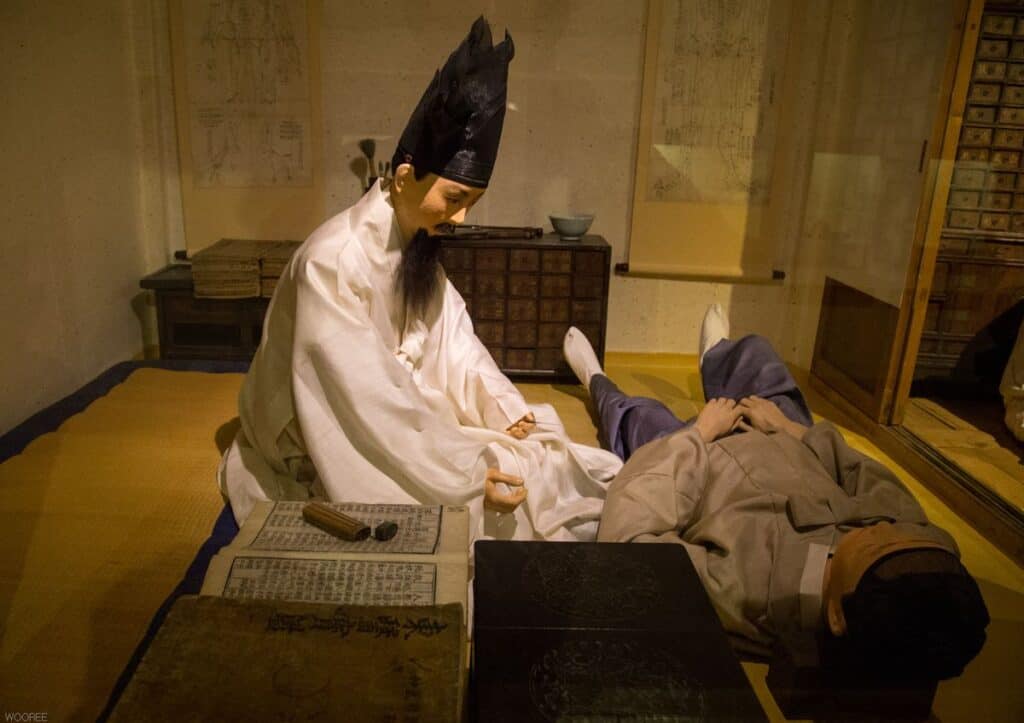
KEY PRINCIPLES OF HANBANG;
Holistic Philosophy: Considers the mind and body to be part of an integrated system, in which emotional experience and external conditions impact overall well-being.
VITAL LIFE FORCE (QI/GI): disease is regarded as a result of depletion or loss of this vital energy, hence therapies focus on enhancing natural ability to resist illness.
PERSONALIZED CONSTITUTION: Based on Sasang Constitutional Medicine, practitioners tailor treatments to an individual’s unique constitution to address imbalances.
CORE HEALING PRACTICES:
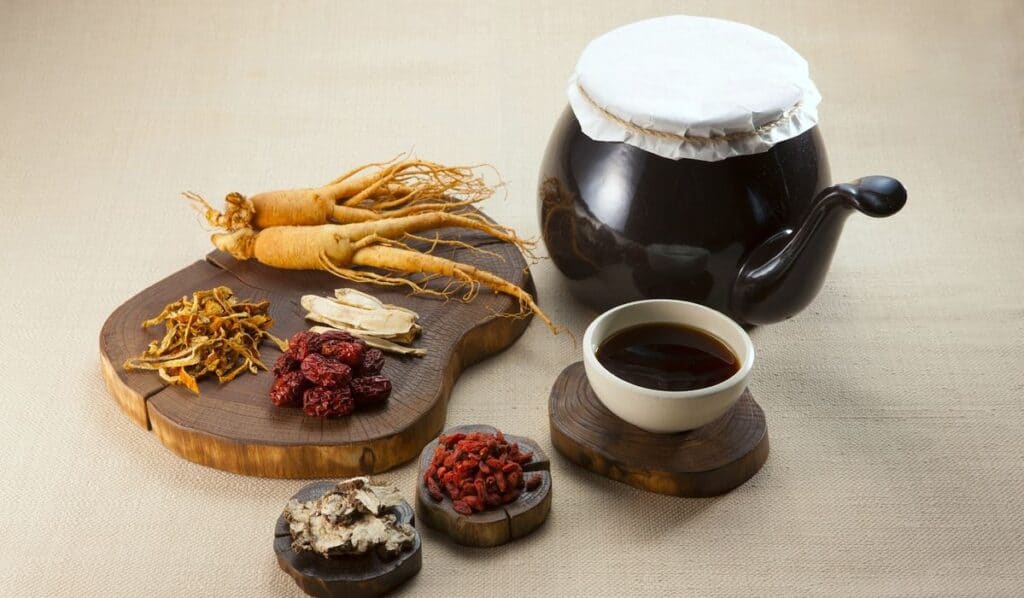
Herbal Medicine: Traditional herbal medicine of Korea involves the use of a large variety of plants, roots, and minerals to regain health and to heal naturally.
Medicinal Foods: The concept of medicinal foods gives rise to nutritional advice based on the paradigms of balance and moderation. This also encompasses the value of seasonal foods and the use of foods for medicinal purposes, especially in the use of fermented foods.
Acupuncture: It is the practice of stimulating points on the body, especially the hands and feet to promote healing and wellness.
Mind-Body Connection: Recognise the profound effects of emotional states and other internal factors in relation to health and incorporate techniques to achieve unity between the mind and body.
TRADITIONAL REHABILITATION IN SOUTH KOREA
The traditional mode of rehabilitation in South Korea practices Traditional Korean Medicine, which targets conditions such as lower back pain, osteoarthritis, and musculoskeletal injuries through methods such as acupuncture, herbal medicine, pharmacopuncture, and Chuna manual therapy. The traditional form of rehabilitation in South Korea relies on Hanbang, which also refers to Traditional Korean Medicine or TKM, and encompasses the objectives of finding and targeting the cause of diseases rather than just concentrating on relieving the symptoms by restoring the body’s harmony.
KEY COMPONENTS OF TKM REHABILITATION:
Traditional korean medicine rehabilitation include various kind of treatment methods like:
Acupuncture: The concept involves the use of fine needles or the warmth of mugwort to stimulate the flow of qi and hence effect a cure or relieve pain. This ancient treatment has long been proven to be very efficient in a wide range of conditions, including musculoskeletal disorders, anxiety, or insomnia.
Chuna Manual Therapy: A type of manipulative therapy that includes stimulation of the meridian system, joint mobilization, and soft tissue release, often used for musculoskeletal issues.
Moxibustion: Moxibustion is another traditional method involving the use of dried Mugwort, moxa, which is burnt on the skin or around the acupuncture points. The process aims at stimulating the points so that healing may take place. Moxibustion heals conditions such as chronic pains, digestion problems, and stress.
Cupping Therapy: This is a therapy that includes the use of suction cups on the skin’s surface. These cups help to relieve tension in muscles, enhance blood circulation in the body, and also help the body in detoxification. This therapy creates temporary spots on the skin but is well-known for the very effective health results, particularly in relieving pain.
Pharmaco puncture: This approach involves the fusion of herbal practices and acupuncture, where herb extracts are injected at points on the skin referred to as “acupuncture points.”
Herbal Medicine (Yak Jae): Herbs are used to cure diseases by identifying the cause of an illness and balancing it by adjusting the herbs accordingly.
CONDITIONS TREATED:
So many conditions are treated from traditional Korean medicine some of them are:
Musculoskeletal Pain: TKM is commonly prescribed for the treatment of back pain, osteoarthritis, and sprains.
Recovery After Surgery: TKM is actively used for conservative and post- operative recovery after injuries like acetabular fractures.
Neurological Conditions: TKM also used in neurological conditions, including acupuncture and other therapies, in stroke rehabilitation and the treatment of cerebral palsy.
TRADITIONAL PRACTICES IN MODERN HEALTH CARE:
South Korea is the country where we can see both the modernity and traditional side at the same time. This same rule follows in the medical field too. Korea has a unique blending of modern healthcare with western like,
Integrative medicine: TKM is a legal subset of the overall health care system in South Korea. However, it is common for patients to receive collaborative treatment that combines Western diagnostic tools with Hanbang therapies.
Specialization: The current system identifies specialization in areas such as rehabilitation medicine, internal medicine, and women’s healthcare.
Community-based care: The Ministry of Health and Welfare has been working towards community care strategies that deliver TKM services, home visiting acupuncture and moxibustion, to the older population and those who have mobility limitations.
MARGINALIZATION AND EVOLUTION OF HANBANG:
Marginalization of Hanbang happened in 1910–1945 in the Japanese Colonial Period that included,
- Institutionalization of Western medicine: Prioritizing Western medicine and marginalizing Hanbang.
- Exclusionary policies: Restricted hanbang practice The practitioners were issued less prestigious licenses.
- Scientific invalidation: Hanbang as Unscientific and Old-Fashioned
- Modernization of Han bang: Standardizing education, Integration of scientific methods, Appeal to nationalist feelings to gain public acceptance
INTRODUCTION OF WESTERN MEDICINE TO KOREA:
Western medical practices were introduced in Korea in the late 19th century through American missionaries, which forced Hanbang to evaluate. Hanbang was relegated during the Japanese colonial rule, but the post-colonial revival resulted in the formulation of the government-controlled dual practice system in which Hanbang practices coexist with Western practices. Key events of this modernization was:
- 1885: Horace N. Allen treated a royal relative → King Gojong established Gwanghyewon, which was the first Western style hospital.
- 1886: Allen started teaching Western medicine to Korean students.
- 1900s: Oliver R. Avison established the Severance Hospital & Medical College → First Korean Western medicine graduates.
- 1899-1902: The government of Korea opened the Western Medical School, and the school graduated its first student in 1902.
The Hanbang school was suppressed during the colonial period by the Japanese, but the post-colonial period ensured the parallel coexistence of Western and traditional medicine.
TRANSITION TO MODERN REABILITATION IN SOUTH KOREA:
The transition to modern rehabilitation in South Korea was a quick evolution that occurred after the Korean War.
- Early Stage; Foreign Assistance and War-related Stages (1950s-1970s): Foreign aid, including assistance from the UN and the American-Korean Foundation, built the basic model of the present-day Korean National Rehabilitation Center in 1953.
- System Formalization (1970s-1990s): The legitimacy of the field was gained with the establishment of the Korean Academy of Rehabilitation Medicine (KARM) in 1972, followed by the recognition of Physical Medicine and Rehabilitation (PM&R) as a medical specialty in 1982.
- Expansion (2000s): Driven in large part by a quickly aging population, the need led to the expansion of the system from large urban hospitals to long-term care hospitals to establishment of a Community Program. The disability rights movement further pushed for greater accessibility.
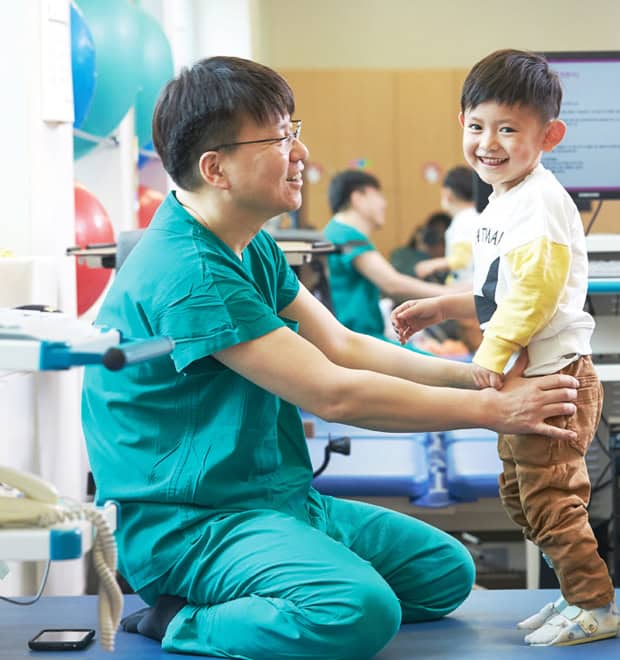
- Modern Advances: Modern approaches to rehabilitation provide a multi staged continuum model that combines the use of modern technology such as robotics, smart technology, and tele-rehabilitation. Government of Korea initiatives continue to drive reforms and address issues like regional disparities.
MODERN SYSTEM OF KOREA’S HEALTHCARE:
The modern system of Korea’s healthcare created a new wave among the whole world’s healthcare faculty. Their innovation in the healthcare field and research made Korea one of the most advanced country in the healthcare field. Important characteristics of the new modern system is:-
Multi-stage Care Model: Rehabilitation is provided according to the stages of care which range from the acute stage, through the subacute stage, and ending at the chronic stage. It starts at the tertiary hospital and moves on to the rehabilitation hospital or community program.
Increased Providers: The network of providers has increased to include not only the tertiary and general hospitals but also the long-term care hospitals, as stated in the National Institutes of Health (NIH)|(.gov) publication, to cover the needs of the rapidly increasing senior citizen group. Community rehabilitation centers are also involved in the rehabilitation process at the community stage.
Government-Reform Initiatives: Initiatives involving the Ministry of Health and Welfare aimed at improving the system, which include:
Regional facilities: Establishment of regional cardiocerebrovascular hospitals in 2008 to offer post-stroke rehabilitation.
Pilot projects: South Korea has implemented pilot projects since 2021 to enhance the transition of patients from the hospital to the community. The country is a leader in the integration of technology, including:
Robotics: use of walking robots and exoskeletons in the area of recovery.
Smart Assistive Devices: Creating diagnostic tools based on artificial intelligence and the use of IoT-enabled devices.
Tele-rehabilitation:Use of remote monitoring and artificial intelligence for home base care.
SOUTH KOREA INTELLIGENT REHABILITATION ROBOT : KEY HIGHLIGHTS
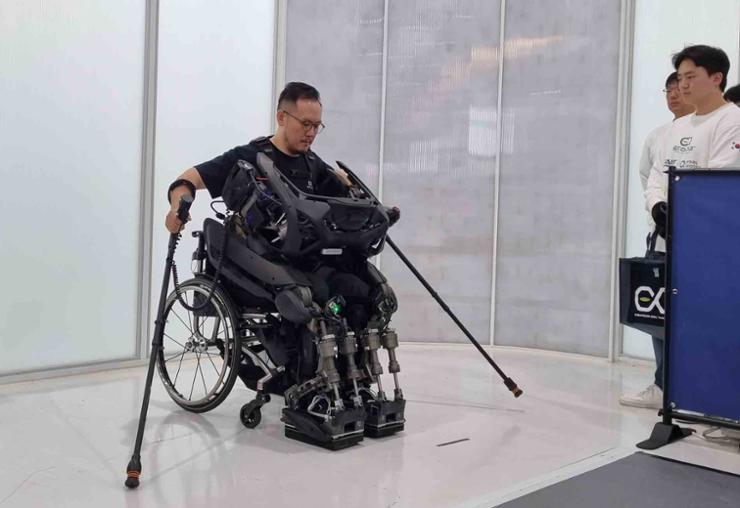
South Korea is a leading global innovator in intelligent rehabilitation robots and smart rehabilitation technology, thanks to a rapidly aging population, government-backed “smart healthcare” projects, and a strong tech industry. The focus on research and development is transforming rehabilitation, these innovators combine AI, IoT, robots, and telemedicine to offer personalized, Big Data, and remote healthcare.
1. Exoskeletons (Wearable Robots) – Assistance with gait training and mobility support for the rehabilitation of neurological/spinal injury patients. Key Companies of development is: –
Angel Robotics: Lightweight “walkon suit” to enable paraplegics & seniors to walk independently.
ExoAtlet: Personalized exosuits designed to aid patients with back injuries who walk at varied paces.
ExoSystems: Rehabilitation of knee-joint musculoskeletal areas using gamification & neuromuscular electrical stimulation.
2. Robotic Gloves & Limbs (Upper Limb Rehabilitation): Assist in rehabbing hand and arm function by providing interactive gamified therapy tasks real time feedback. Key Companies are: –
Neofect: ‘RAPAEL Smart Glove’. Wearable technology + VR + gamification for stroke and neurological patients.
HapticRobo & Myomo: Upper limb rehabilitation robots with haptic feedback and smart sensors.
ONGOING CHALLENGES AND FUTURE DIRECTIONS:
South Korea is a developing country and every developing country has challenges also and they are working to overcome these challenges in a very effective way. Current problems and outlook on the future are:
Regional differences: Even with the establishment of long-term health facilities, there is a gap in the provision of quality rehabilitation services in major cities and rural areas.
Aging population: The rapid aging of South Korea’s population continues to place a growing financial and service-delivery burden on the healthcare and insurance sectors.
Systemic Improvements: The government is addressing the weakness that exist within the transitional patient care systems to provide smooth handling and long-term treatment of chronic ailments.
The evolution of modern rehabilitation in South Korea symbolizes the movement from a base of reconstruction support after the war to a complex and cutting-edge, technology-enabled, and governmental rehabilitation support structure. Although considerable progress has been made in the development of a comprehensive and specialized pattern of care, it is still developing to address the issue of aging and meet requirements of equal access to healthcare. .
Conclusion:
The rehabilitation culture in South Korea has its roots in a remarkable integration of both heritage and modernity. Hanbang provides a deep understanding of the mindbody connection and individualized health, while modern medicine and technology offer precision, scientific advancements, and new possibilities for complete recovery. By combining these approaches, South Korea has created a holistic, patient-centered rehabilitation model that continues to evolve and inspire healthcare systems around the world.
Written by- Anjali Gupta
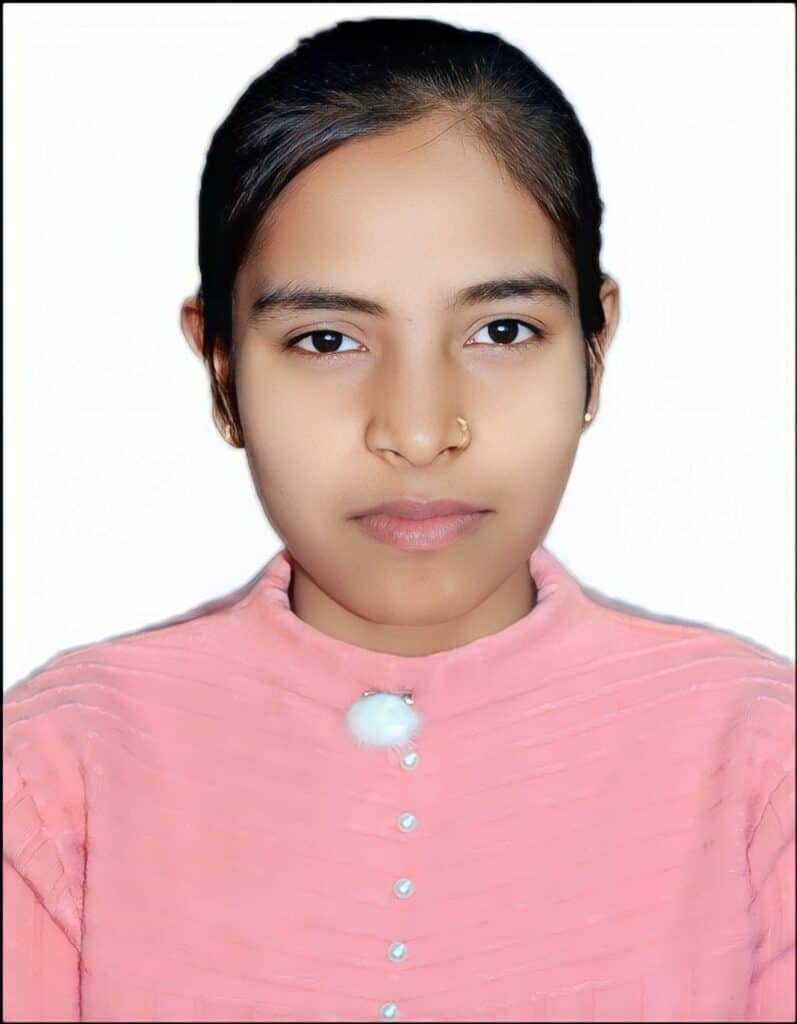
About the author –
Hi! I’m Anjali Gupta, a healthcare student whose interest in healing and well-being naturally led me toward Korean culture — a place where wellness, balance, and tradition beautifully blend with modern living. I enjoy writing simple, emotional, and meaningful pieces that help readers connect with a culture rather than just learn about it.