
A young student awoke with a sore neck and chronic fatigue; a young office worker had chronic lower-back pain with no resolution after several months; and a young trainee has headaches and muscle tightness with no physical reason for their symptoms. All medical exams were negative, with no fracture or inflammation or any obvious reason for their pain. However, their pain was, and continues to be, real, consistent, and disrupting.
This is the reality of “psychosomatic pain” — a type of suffering that exists at the junction of body and mind, in which emotional stress manifests itself in physical symptoms.
In countries like South Korea that emphasize high levels of education, workplace accomplishments, and social expectations, increasing numbers of people are developing “silent injuries” caused by the pressure of being successful and disciplined. Many of these people are suffering from pain that is not visible, measurable, or capable of being diagnosed, despite the fact that these people cannot ignore their pain.
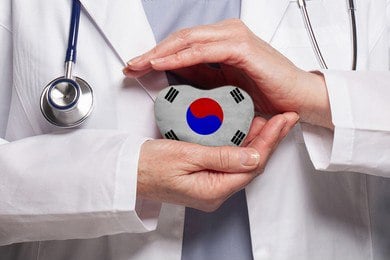
What is Psychosomatic Pain?
Psychosomatic pain refers to pain caused by, or made worse by, psychological or emotional stress rather than by a specific physical injury or structural damage to the body. Psychosomatic pain can occur in the body as a result of psychological or emotional stress, even when there is no evidence from an examination or medical testing that would indicate any injury or injury-related disease or condition.
A psychosomatic pain experience is directly related to the mind-body connection. Under prolonged stress, the brain sends messages to the body that impact
(1) muscle tension;
(2) sensitivity of the nerves;
(3) the functioning of the body as a whole.
Because of this, after a prolonged period of time the body begins to experience symptoms such as muscle aches, fatigue, headaches, and stiffness without any physical cause.
Psychosomatic pain is not imagined. It is a physical way that the body manifests prolonged psychological or mental stimulation/stress; when stress is expressed physically, instead of emotionally.
Why Korea? A High-Pressure Environment

Korea is an example of a society with high levels of pressure. Psychosomatic pain has increased in societies under high-levels of pressure and Korea is a good example of this type of society. Due to the rapid development of Korea’s economy and its global presence, there is a deep-rooted culture of discipline, hard work and exceptional achievement. Not surprisingly, this environment also provides extreme pressure across various stages of life.
Students grow up competing academically starting at a very young age. Students have to endure both long hours in school and additional hours spent in a variety of private educational settings. New employees enter the workforce with most jobs requiring long hours, high performance qualifications and a hierarchical organizational structure. In industries such as entertainment, trainees and performers are required to maintain near perfect performance and appearance standards.
These three groups all have something in common: there is little time for the body to rest completely. The stresses of day to day life create a constant level of pressure on the mental part of the nervous system, keeping it in a prolonged state of tension. As a result of continuing to experience this prolonged tension, there will eventually be chronic pain, fatigue and/or physical discomfort even though no physical injury is present.
The “Invisible Problem”
The invisibility of psychosomatic pain is one of the biggest challenges patients face. After seeking treatment, completing diagnostic tests, and waiting for definitive answers from their physician, patients are frequently told that nothing is wrong with them even though symptomatically they continue to feel pain, even after having been told there was “nothing wrong” with them.

This disconnect or gap between the patient experience (pain) and a lack of diagnosis creates an even deeper psychological issue for the patient, who must then deal with the frustration of being told that their symptoms are merely a byproduct of worry and/or stress. Thus, patients often feel misunderstood, unheard, and invalidated.
Over time, as patients continue to search for answers to their pain but find none, and they are told that they are experiencing “merely” a byproduct of stress, patients become increasingly frustrated because they believe no one believes them. This reinforces the pain cycle as continued stress re-traumatizes the body and reinforces a condition that was initially silent into an ongoing struggle in which no evidence exists, yet it maintains a real impact on the person suffering every day.
The Role of Physical Therapy in South Korea
Physiotherapy is not only about treating visible physical injuries; it also takes a more holistic approach to the treatment of psychosomatic pain. Korea has very advanced and adaptive health care systems, and physical therapy is being recognized as an invaluable tool for rehabilitation and also for the management of stress-related health conditions.
Physiotherapies’ focus does not centre only on damaged tissues; it is about restoring balance to the body. Physical therapy techniques such as postural correction relieve excessive strain from prolonged sitting/tension. Muscle-relaxation therapies relieve the accumulation of tight muscles caused by chronic stress. Breath awareness promotes calming of the nervous system, while body-awareness training enables the individual to identify how stress affects their physical condition and how to regulate stress response.
Physical therapy’s holistic approach illustrates an important concept: treatment is not exclusive to the body or mind; treatment recognizes that the body and mind are interdependent systems and, therefore, the combination of physical-state and emotional-state significantly contributes to psychosomatic pain.
One of the most effective ways to help reduce psychosomatic pain in fast-paced, high-stress settings is to treat both the physical manifestations of tension and the underlying stress response. Thus, physical therapy provides the practical and effective means to treat/manage psychosomatic pain in these types of environments.
The Need for an Integrated Approach
Psychosomatic pain cannot be adequately managed with two independent forms of treatment; a holistic approach is necessary when dealing with psychosomatic pain. All too often conventional healthcare systems separate the physical from the psychological healing processes. In fact, psychosomatic pain exists at the intersection of both.
Thus, a co-ordinated approach is essential for effective treatment of psychosomatic pain. When physical therapy is combined with psychological interventions, such as counseling or stress management, the primary source of the individual’s condition (the stress), as well as the symptoms (the muscle tension) that are exacerbated or sustained by that stress can be effectively managed. Whereas physical therapy releases muscle tension and restores proper function to the individual’s body, psychological support diminishes the stress that caused or contributed to the individual’s psychosomatic pain.
The co-ordinated model demonstrates a more thorough concept of human health by demonstrating the connection between physical recovery and emotional health and well-being as well as the need to treat both concurrently rather than separately.
Korea as an Opportunity for Advancement
Korea is presenting an alternative view of psychosomatic pain, as this country is uniquely set up to be a leading influence in developing innovative ideas in this area. The health care system is extremely advanced, with strong research capabilities and growing public awareness of the need for addressing mental health problems. With these strengths it is now possible for Korea to take the lead on developing new integrated models of treatment.
Future opportunities for development of these ideas include establishing clinics specifically for psychosomatic conditions; developing interdisciplinary research collaborations between physical therapy and psychology; and implementing public awareness campaigns to minimize the stigma associated with invisible illnesses.
By pursuing these avenues, Korea can not only improve the quality of patient care in this country but will also provide the world with a model for addressing the increase of stress-related physical illnesses.
Conclusions – Beyond Simple Pathology
Traditional views of pathology did not account for pain that was outside of the body (outside of a clinical perspective). The problem with this is that some injuries/disturbances are invisible. Modern-day life continues to emphasize more severe and faster-paced environments. This is the result of people living more stressed-out lifestyles; therefore, the need for more holistic-based (human-centered) health care is becoming increasingly important. It is essential to understand how closely connected our bodies are with our thoughts.
There are many forms of pain that a doctor does not see but will still receive treatment from a healthcare provider. Fast-forward to the future…Therapists will begin treating not only physical injuries/conditions from their perspective, but also doing a much larger service to their patients by being compassionate individuals.
Written by- Anjali Gupta
About the author –
Hi! I’m Anjali Gupta, a healthcare student whose interest in healing and well-being naturally led me toward Korean culture — a place where wellness, balance, and tradition beautifully blend with modern living. I enjoy writing simple, emotional, and meaningful pieces that help readers connect with a culture rather than just learn about it.