
Korean winter cuisine is characterized by warm hearty dishes designed to combat the cold climate. Korea’s winters are usually cold and dry, with significant snowfall in many areas. People need to strengthen their immune systems, increase their energy and stay warm during this time. As a result, Korean winter cuisine is typically hot, spicy, nutrient-dense and prepared by grilling or long simmering.
Four Korean Winter Foods
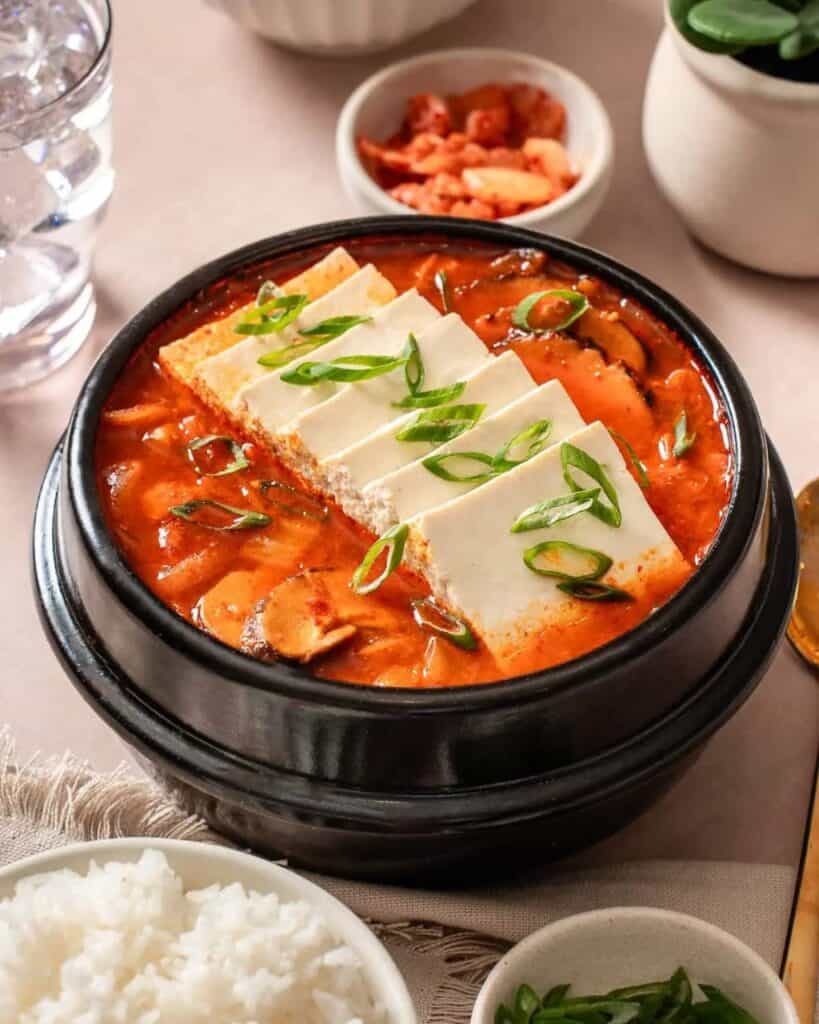
Kimchi jjigae : Kimchi jjigae is a spicy Korean stew made with aged kimchi, pork (or substitutes like SPAM or canned tuna), tofu and a savory broth often enhanced with gochujang and gochugaru – are the ingredients of kimchi jjigae, a fiery Korean stew. To create rich flavors, the kimchi is first sauteed, then broth, tofu and green onions are added and finally it is simmered. It is usually consumed with rice.This stew is hearty with a balance of spice, tanginess from fermented kimchi and richness from the pork or other proteins, making it a comforting, flavourful classic Korean dish.
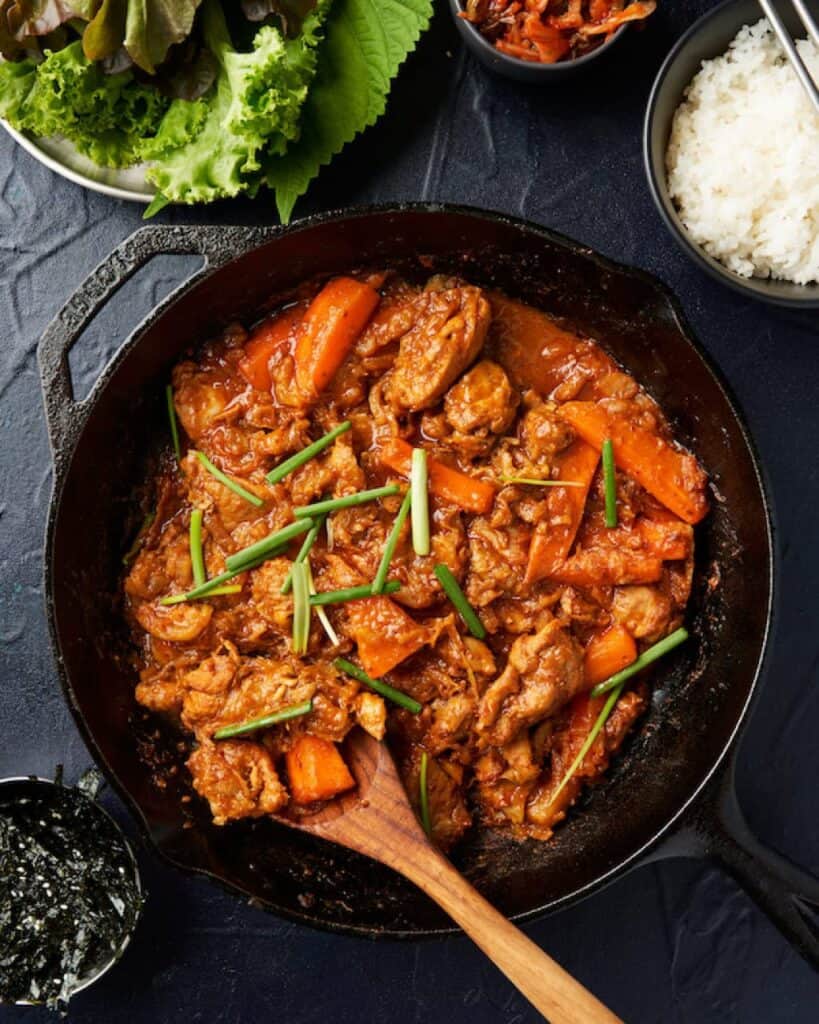
Dak-galli: Dak-galli is a popular Korean spicy stir-fried chicken dish which is made by marinated chicken thigh pieces, vegetables like cabbage, sweet potatoes and carrots and chewy rice cakes, all cooked together in a savory and spicy gochujang-based sauce. Gochujang (Korean chili paste), gochugar (Chili flakes), soy sauce, garlic, ginger, sugar and rice wine are among the ingredients used to marinate the chicken and give it a strong flavor.
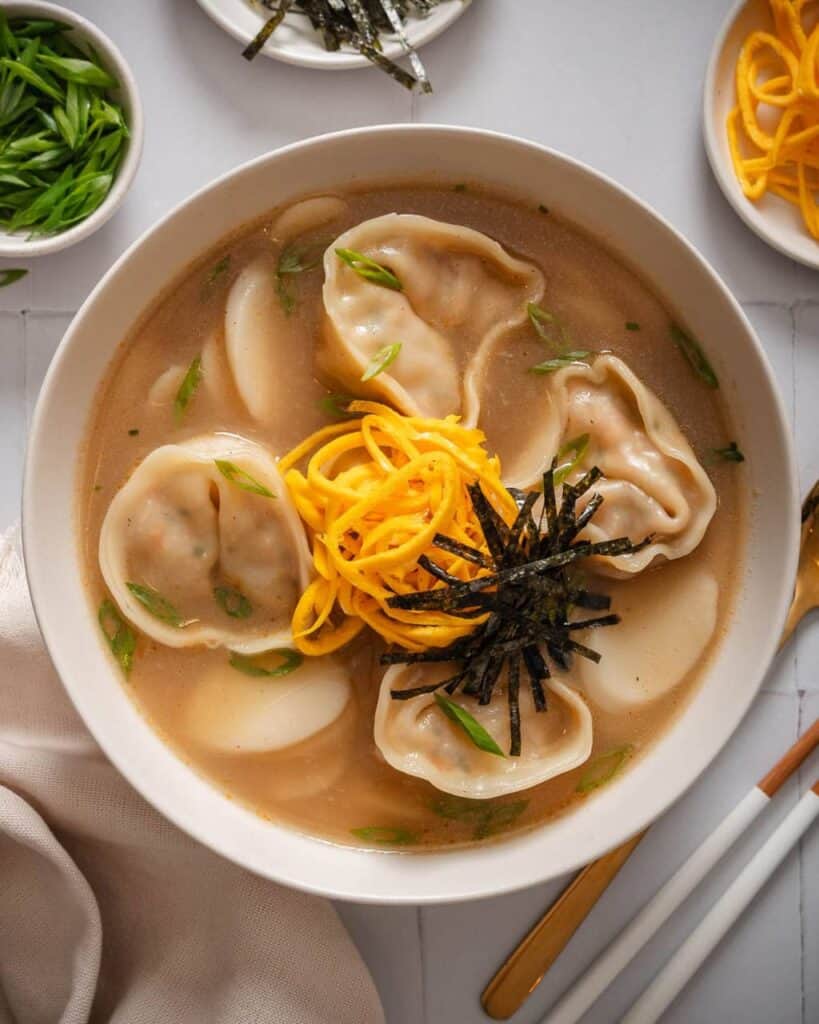
Mandu guk: Mandu guk is a Korean traditional dumpling soup called mandu, flavorful broth. Usually, the broth is made by boiling seafood stock or beef brisket with garlic and green onions, then seasoning it with fish sauce and soy sauce. The mandu is added to the boiling broth until cooked through, usually taking a few minutes depending on dumpling size. Then the soup is garnished with green onions, sesame oil and black pepper. For added heartiness, rice cakes are one variation.
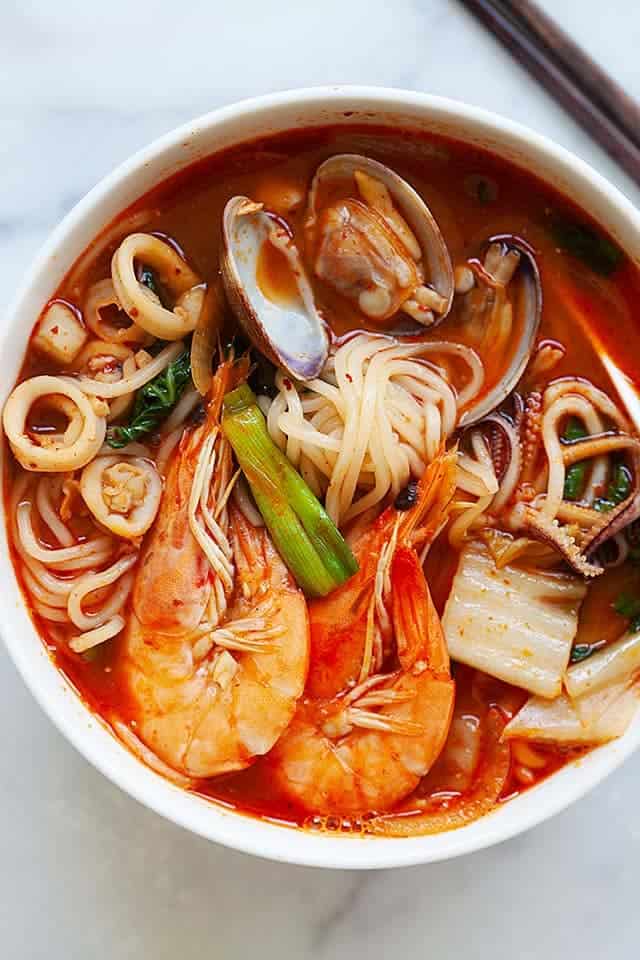
Jjamppong: A variety of seafood, pork and vegetables are combined in a flavorful, hot broth to make the fiery Korean-Chinese seafood noodle soup known as jjamppong. The broth is prepared by stir-frying aromatics like garlic, ginger, green onions in oil, gochugaru (Korean chili flakes), then adding a mix of vegetables such as cabbage, onions and mashrooms. Seafood like mussels, shrimp clams and squid is added along with pork and simmered in stock flavored with soy sauce and rice wine. The soup is served with hot overcooked heavy noodles like jajangmyeon or udon.
Written by – Sahinoor
About the Author –

My name is Sahinoor. I have a strong desire to learn a new language and culture whenever I get spare time. Despite being from a different culture, I have always been interested in other cultures. After watching Korean drama, I became very interested in Korean culture and life-style as a teenager. My passion for learning has given me a fantastic opportunity to write articles. I will be able to broaden my knowledge and discover a lot more about my cherished South Korea by writing articles.