
From quiet admiration to a loud, global identity—how fangirling changed forever
My fangirling spirit used to hide: Immersed in an ipod, in between whispered words with my best friend, alone in front of the computer just scrolling away when nobody was looking. It was intimate, kind of like, secret. I loved those idols of mine fiercely, but with a great distance that was seldom diminished.
What we experience as fangirling today is not simply admiration, it is participation, it is existence, it is power. Between 2019 and the present something happened, and it wasn‘t the way that fans participated changing, it was what it meant to be a fan that changed.
From Watching to Belonging
By 2019–20, as global fan activity for groups like BTS and BLACKPINK was exploding, fangirling was already enthusiastic and emergent but defined by boundaries. Fan consumption happened on one-way channels: Twitter, Instagram, YouTube, etc. Even that time you streamed a music video or watched idol comeback news… There was always that wall. Stars were on the other side of the screen while fans were on the other.
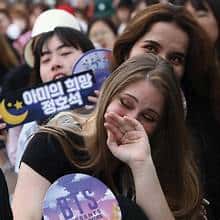
Even with apps such as Weverse, where idols are talking to fans rather than at them; a message, a reply, a streaming small bundle of interaction that feel significant. Much more meaningful than a distant wave of respect, or a bowed head, when BTS comments and responds to a fan‘s message, or when an artist feels comfortable sharing his innermost thoughts.
Fangirling is no longer about observing a journey. It’s about feeling like you’re part of it.
The Era of Loud, Visible Fangirling
What was once unnoticed, is now visibly noticed. TikTok et al has made fangirling a mode of expression Fast, creative, global. A 10-second clip of BLACKPINK can be seen by millions within hours. A dance challenge, fan theory or reaction clip are no longer niche activities, but trends.
The phenomenon of fangirling has taken itself out of the dark, dust and alleyways. Into lines of code, into the world share of the Internet and into conversations around the world.
Fans don’t just consume content anymore; they produce it, modify it and spread it. And maybe for the first time, fangirling isn‘t something to be ashamed of. We had something to be proud of.
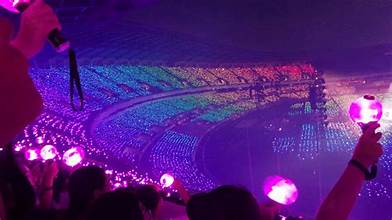
When the World Paused, Fangirling Deepened
2019 was a global pause, but quietly redefined emotional links, 2020 During the pandemic, where isolation was the standard, fandoms became something else completely: comfort, escape, community. Virtual concerts substituted physical stages. Online fan meets substituted faraway hopes. For many, those artists were no longer performers, but emotional anchors in uncertain times. Fangirling began to fade, subside, and deepen.
It wasn‘t just about excitement. It was about being okay.
From Fandoms to Communities
Fangirling in the present day is not an individual act. Fans interact on various platforms, they have spaces where they are not merely talking about idols, sharing life, suffering, and living at the moment. Friendships were made on crossing countries, cultures or time zones. Being a fandom now means being a community. Streaming parties. Voting teams. Comeback goals. Not good teams. They can also be shared experiences. We are united by our feeling of family.
You are no longer simply a fan. You guys are something that moves together.
When Fans Became a Force
A third muted but compelling change is influence. Fans aren‘t spectators anymore when they have groups’ success in their hands. All the stats, sales, chart positions, awards won, is decided by coordinated effort. BLACKPINK can set new records, BTS can top worldwide charts, that‘s not only talent but a lot of fandom power behind it. As the festival functioned, fangirling has become one kind of cultural participation.
It has speed. It generates exposure. It produces success.
More Than a Hobby A Living Identity
Beyond technology, what changed is expression. Fangirling is not silent or private anymore. It is outsized, communal, and integrated into our lives. It influences who we are, and who we can become, and provides communities and comforts. Before, fans stood outside the story—watching from afar.
Now, they live inside it. They contribute to it. They grow with it.
And maybe that’s the biggest shift of all—
We don’t hide it anymore.
Written by – Sakshi Yadav

About the Author –
I am Sakshi Yadav, and I am currently pursuing my Master’s in Computer Applications. My interest in technology and diverse cultures has brought me to South Korea, a place where innovation and rich traditions beautifully coexist, which has made me learn Korean Language and also work on my interest which is writing, and am so passionate about it as well as have gained valuable experience in this field