
Introduction: The Romance of the Rails
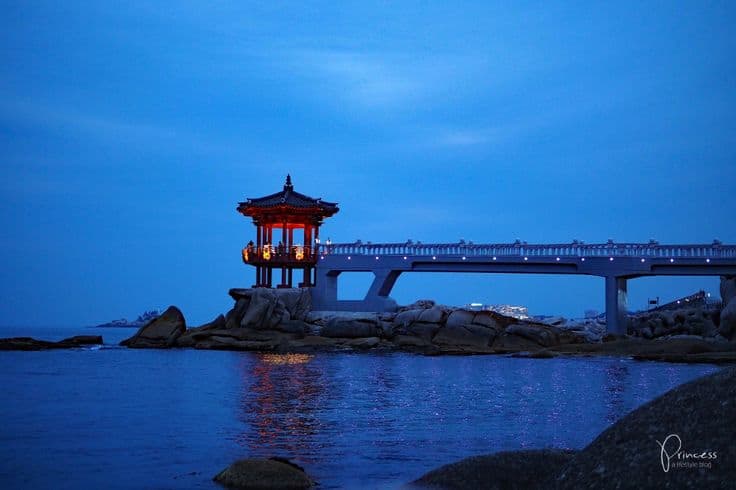
In a country synonymous with speed from broadband to bullet trains, there’s a rebellious kind of magic in choosing to go slow. The journey from Seoul to Sokcho isn’t just a transit route; it’s a decompression chamber. As the urban sprawl of the capital melts away, replaced by the fiery palette of autumn foliage and the first glimmer of the East Sea, the slow train offers something the KTX cannot: a gradual, soul-stirring transition into one of Korea’s most beloved coastal escapes.
The Mugunghwa-ho: A Ride Through Living History
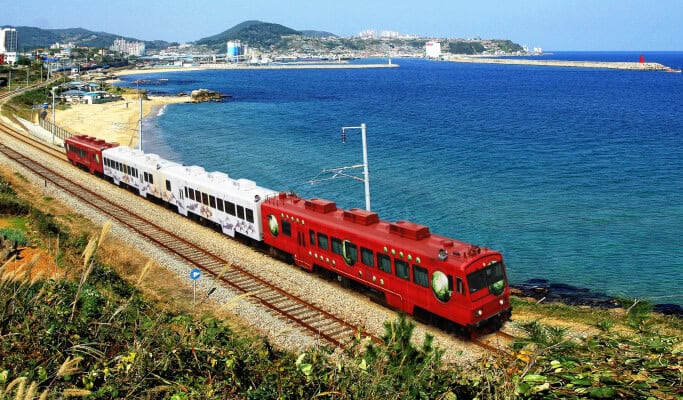
Boarding at Cheongnyangni Station is the first step back in time. Unlike the sleek, silent halls of Seoul Station, Cheongnyangni hums with a different energy. The air smells of old concrete, roasted chestnuts from a street vendor, and anticipation. The Mugunghwa-ho train itself, with its navy blue and red stripes, is an icon of a different era. The seats are softer, the legroom more generous, and the gentle, rhythmic clack-clack of the wheels is a soothing soundtrack.
This is where you see the real Korea. University students share earphones, giggling over a drama. Ajummas and ajeossis unpack elaborate lunchboxes of kimchi and banchan. The train makes frequent, brief stops at stations with names like Gangneung, and each is a glimpse into small-town life. This is the fuel for a proper adventure.
The Unfolding Canvas: A Window-Seat Meditation
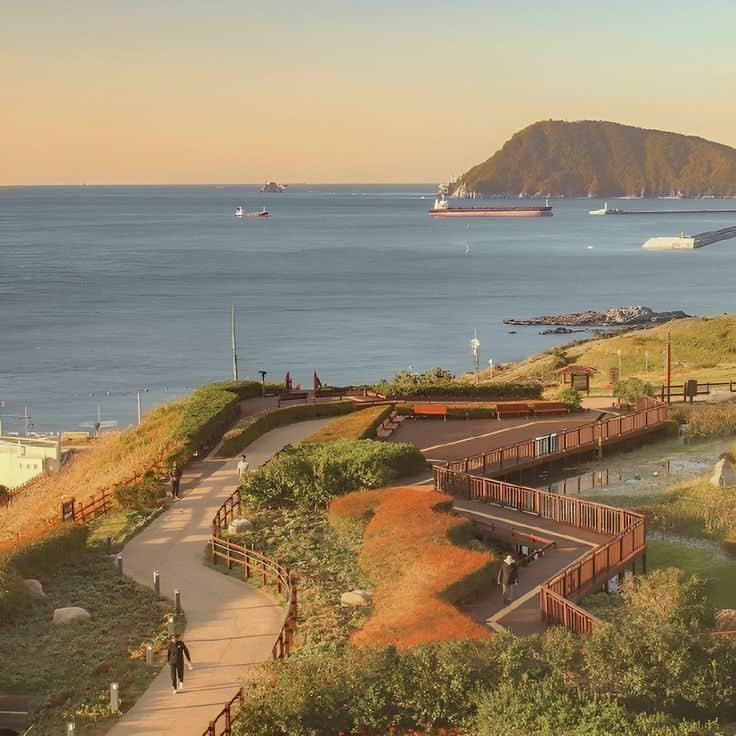
Securing a window seat on the right-hand side is non-negotiable. The journey begins industrially, but soon the cityscape gives way to a patchwork of golden rice fields, ready for harvest. As the train pushes eastward, the landscape starts to swell. Gentle hills rise into formidable mountains, the backbone of Korea.
In autumn, this transformation is breathtaking. The slopes of Seoraksan National Park announce themselves from a distance, a blazing tapestry of crimson, amber, and gold. Then, the moment of magic: a sudden, brilliant flash of blue between the hills. The East Sea (Donghae) appears, its vast, calm expanse a stark contrast to the rugged peaks. The train snakes along the coastline, offering fleeting, postcard-perfect views of fishing boats bobbing on the water and tiny islands dotting the horizon.
Sokcho Arrival: Where the Air Tastes Different
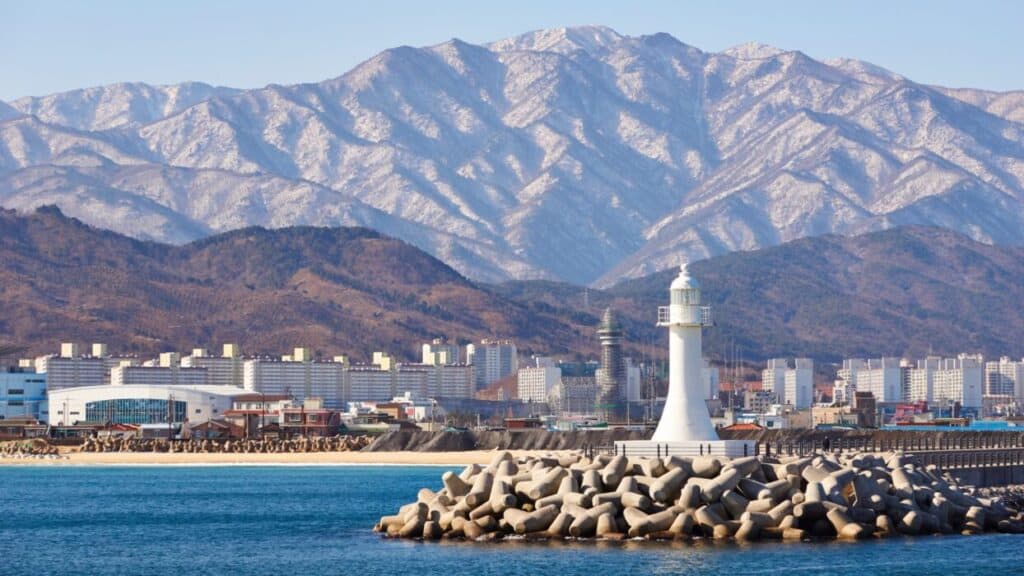
You don’t just see Sokcho; you feel it. Stepping onto the platform, the air is noticeably different, crisp, cool, and carrying the distinct, briny scent of the sea. The pace of life is immediately, palpably slower. Sokcho is a town built on fishing and tourism, and its unpretentious charm is its greatest asset.
An Autumn Feast for the Senses
Sokcho in autumn is a multisensory experience.
For the Hiker: The call of Seoraksan is irresistible. The cable car to Gwongeumseong Fortress provides awe-inspiring, bird’s-eye views of the autumn-colored valley. For the more adventurous, the hike to Ulsanbawi Rock is a rite of passage, rewarding you with a panoramic vista of Sokcho, the sea, and endless rolling peaks. The perfect post-hike meal? A sizzling plate of 산낙지 볶음 (Sannakji Bokkeum), stir-fried wild octopus, at a restaurant at the mountain’s base.
For the Foodie: Sokcho Jungang Market is a culinary pilgrimage. Follow the sound of sizzling oil to find stalls serving the city’s famous 닭강정 (Dakgangjeong), chunks of chicken fried to an impossible crispiness and glazed in a sweet-spicy syrup. Don’t miss the 오징어 순대 (Ojingeo Sundae), a whole squid stuffed with sticky rice and vegetables. At Daepo Port, point to the freshest fish in the tanks and enjoy it as 회 (Hoe), delicate slices of raw fish dipped in spicy chojang sauce.
For the Wanderer: A peaceful stroll around Cheongcho Lake is essential, especially at golden hour when the autumn colors are reflected perfectly in the still water. For a dose of nostalgia, the small Abai Village, connected by a hand-pulled ferry, feels like a step into old Korea.
Resting the Weary Traveler
After a day of exploration, rest is essential. Skip the anonymous hotels and opt for a cozy 민박 (Minbak), a family-run guesthouse where you might be offered a cup of tea by the owner. For the ultimate budget-friendly and cultural experience, a night at the Sokcho Oncheon Jjimjilbang lets you soak in hot springs and sleep on a warm ondol floor, waking up refreshed for the journey home.
The Return Journey: A Heart Full of Memories
The slow train back to Seoul feels different. The light is softer, and there’s a contentment that comes from salt-kissed hair, tired legs, and a camera full of photos. The journey becomes a time for reflection, to process the beauty of the coast and the mountains. As the sea disappears and the city lights begin to twinkle on the horizon, you realize the slow train didn’t just take you to Sokcho and back; it gave you the quiet space to truly escape.
Practical Traveler’s Notes:
- Train Schedule: The Mugunghwa-ho from Cheongnyangni Station to Sokcho takes approximately 5-6 hours. Check Korail’s website for the most current timetables.
- Budget: A one-way ticket is remarkably affordable, often under ₩20,000 (₹1259 INR).
Pro Tip: Pack a light blanket and a good book. The journey is part of the holiday.
In a nation always rushing forward, the slow train to Sokcho is a serene, moving sanctuary. It’s a reminder that the most rewarding journeys aren’t about how fast you arrive, but how deeply you experience the ride.
Written by – Trisha Deka
About the Author –

Think of Trisha as your modern-day storyteller for a dynamic culture. She’s got a sharp eye for the moments where tradition and hyper-modernity collide in Korea. One minute, she’s breaking down the latest digital trends from Seoul, and the next, she’s explaining the timeless ritual of a tea ceremony. Her writing is your front-row ticket to understanding not just the “what” of Korean culture, but the “why” that makes it so captivating.