
People across the globe are aware of K-pop and K-dramas, but not everyone knows about one of the most influential trends in South Korea: the Minimalism trend. The minimalism trend is the most important trend that is going on in South Korea which showcases how South Korean people are designing and decorating their interiors, how they present them socially, design their clothes, express themselves and approach everyday life. The trend has started as a practical response to limited living space and fast-paced urban routines has grown into a broader cultural movement—one that gives importance to simplicity, intention, and emotional well-being. Started from their home interiors to understated fashion choices, minimalism has become deeply embedded in modern Korean society. Minimalism is strongly supported by popular K-pop idols, K-drama actors. The origin of this minimalism actually came from South Korea’s traditional houses which are called “ Hanok” and I know many of you have heard about “Hanbok” which represents their traditional culture. The traditional home interiors and cloth hanbok shows actually the simplicity and harmony of Korea.
Cultural Roots of Minimalism in Korea
Minimalism in Korea is not a completely new concept. The roots can be traced back to traditional Korean philosophy and aesthetics. Confucianism, Buddhism, and Taoism emphasized moderation, balance, and harmony with nature. These values were reflected in “hanok” , the traditional house architecture, where open courtyards, natural materials, and uncluttered spaces were designed to create calm and balance rather than luxury or excess.
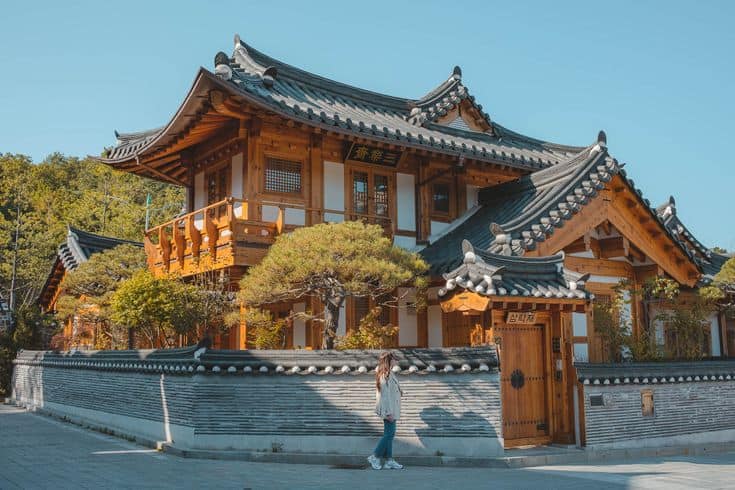
Traditional Korean art, pottery, and calligraphy also favored subtle beauty over extravagance. Empty space was considered as meaningful, not lacking. This historical preference for restraint laid the foundation for modern Korean minimalism, making the trend feel culturally natural rather than imported.
Urbanization and the Rise of Modern Minimalism
Rapid industrialization and urban growth in the late 20th century played a major role in popularizing minimalism in South Korea . Cities like Seoul became densely populated, and housing sizes shrank. As a result, people began prioritizing functional design, efficient storage, and clutter-free living.

At the same time, long working hours, academic pressure, and social competition created emotional fatigue. Minimalist spaces offered a sense of mental relief. Clean environments came to represent peace, control, and stability in an otherwise demanding lifestyle.
Minimalism in Korean Home Interiors
Modern Korean homes are defined by neutral color palettes, open layouts, and practical furniture. White, beige, gray, and light wood tones dominate interiors, creating a calm and airy atmosphere. Decoration is kept minimal, with a focus on natural light and balance rather than excess ornamentation.
Furniture often serves multiple purposes, reflecting the need for efficiency in smaller living spaces. Built-in storage, foldable tables, and low-profile furniture are common. Decorative elements are carefully chosen—each object is intentional, meaningful, and aesthetically simple.
This interior style is not only about appearance but also about which gives emotional comfort. Many Koreans see minimalist homes as their spaces for rest and self-care, aligning with the growing emphasis on mental health and well-being.
The Influence of Social Media and Lifestyle Content
Social media platforms have accelerated the popularity of minimalism. Korean influencers, lifestyle bloggers, and YouTube creators frequently share minimalist home tours, decluttering routines, and “simple living” content which makes their content aesthetic. Clean visuals and aesthetic consistency have made minimalism highly appealing online.
These platforms present minimalism as aspirational yet achievable. Viewers are encouraged to reduce unnecessary possessions, focus on quality over quantity, and build environments that support emotional clarity and simplicity.
Minimalism in Korean Fashion
Minimalism does not only end in their home interiors, the minimalism trend is equally visible in Korean fashion also. Over the past decade, fashion trends have shifted toward “simple silhouettes, monochrome outfits, oversized fits, and timeless designs”. Neutral shades such as black, white, beige, gray, and brown dominate wardrobes.
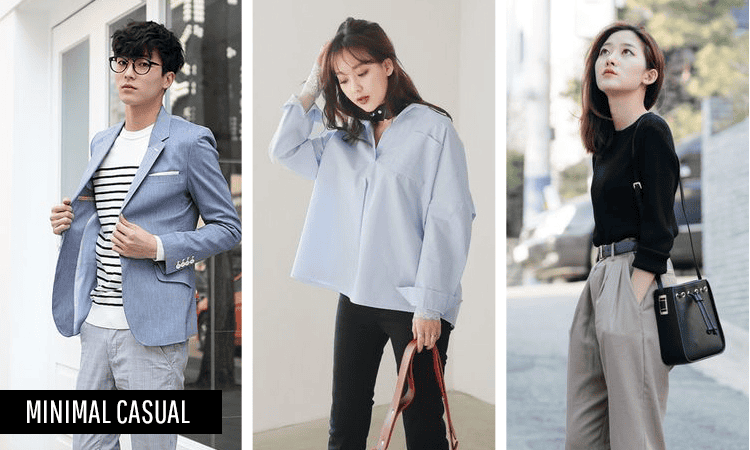
Rather than bold prints or heavy logos, Korean minimalist fashion emphasizes tailoring, fabric quality, and comfort. Clothing is designed to be versatile, allowing pieces to be mixed and matched easily. This approach supports capsule wardrobes and conscious consumption.
Minimalist fashion also aligns with sustainability concerns. As awareness of fast fashion’s environmental impact grows, many Korean consumers prefer fewer but higher-quality items that last longer.
Role of K-Pop Idols in Popularizing Minimalism
K-pop idols play a major role in spreading minimalist fashion trends both domestically and globally. While stage outfits are often bold and dramatic and heavy, Idols’ off-stage, airport, and casual fashion frequently embrace minimalism.
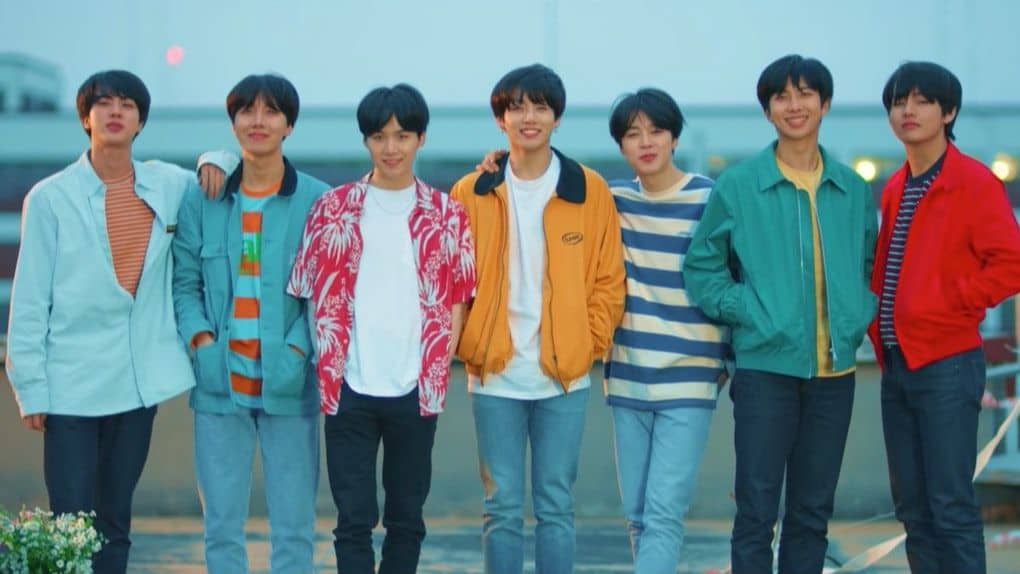
Members of groups such as BTS, BLACKPINK, EXO, and SEVENTEEN, TXT are often seen wearing neutral-toned outfits, oversized coats, simple knitwear, and clean tailoring. Their understated looks influence fans worldwide, turning minimalist fashion into a global trend.Luxury brands have also collaborated with the idols to promote clean, refined aesthetics, further reinforcing minimalism as both fashionable and aspirational.
K-Dramas and Minimalist Lifestyle Representation
K-dramas have significantly contributed to the normalization of minimalism in everyday life. Many popular dramas portray characters living in modern, uncluttered apartments with neutral interiors and functional furniture.
Dramas such as My Mister, My Liberation Notes, Crash Landing on You, showcase minimalist homes and wardrobes that feel realistic and relatable. Viewers often recreate these styles by the influence, influencing interior design and fashion markets.
Unlike high-fashion runway looks, drama styling feels accessible, encouraging audiences to adopt minimalist elements in their own lives.
Minimalism as a Lifestyle Choice
In Korea, minimalism goes beyond aesthetics—it reflects mindset. The trend encourages intentional living, emotional balance, and clarity. Many people practice decluttering not only their physical spaces but also their schedules, relationships, and digital lives.
This lifestyle aligns with Korea’s growing “healing culture” (힐링문화), which emphasizes rest, mindfulness, and self-care. Minimalism offers a way to slow down and regain control in a highly competitive society.
Global Impact of Korean Minimalism
As Korean culture continues to gain global influence through K-pop, films, dramas, and fashion, Korean minimalism has attracted international attention. Designers, lifestyle brands, and consumers worldwide are inspired by Korea’s ability to combine tradition, modernity, and simplicity.
Korean minimalism stands out because it is not cold or rigid. Instead, it balances warmth, functionality, and emotional depth—making it widely appealing.
Conclusion
The minimalism trend in Korea reflects a powerful cultural shift shaped by history, urban life, and modern emotional needs. From calm home interiors to refined fashion choices, minimalism has become a way for Koreans to seek balance, clarity, and meaning.
Supported by K-pop idols, K-dramas, and digital culture, minimalism in Korea is no longer just a design trend—it is a lifestyle philosophy. By embracing simplicity and intention, Korean minimalism demonstrates that less can truly be more.
Written by – Alimpia Roy
About the Author

Hello, I’m Alimpia Roy, I am from India, Kolkata, West Bengal. I did my bachelors in Political science and international Relations. Besides that, I learn Korean by myself. I am a very big enthusiast of Korea. I love Korean culture,language, food, fashion, beauty- skincare, K-dramas, and obviously Kpop. My passion is writing. I think writing is the only way you can express yourself, let out anything without being judged. I hold interest in Korean media pop culture. I want to do my higher studies there. I want to showcase South Korea through my lens.