
When people think about south Korea, the first thing that often come to mind are K-pop, k-dramas or Korean movies like parasite, train to Busan but behind all of this global fame, stands a powerful and creative broadcast and media industry that has grown into one of the most influential in the world. Before getting into the depth let’s do a short intro of what is broadcasting?

Basically, broadcasting refers to sending information or programs to a large number of people through various media platforms such as television, radio or online platforms like Netflix, YouTube. It’s one of the main parts of the media and communication field because it helps to share news, entertainment, culture and education to the public. With modern technology it’s leveled up, including live streaming and online web shows too.
From Seoul to the World
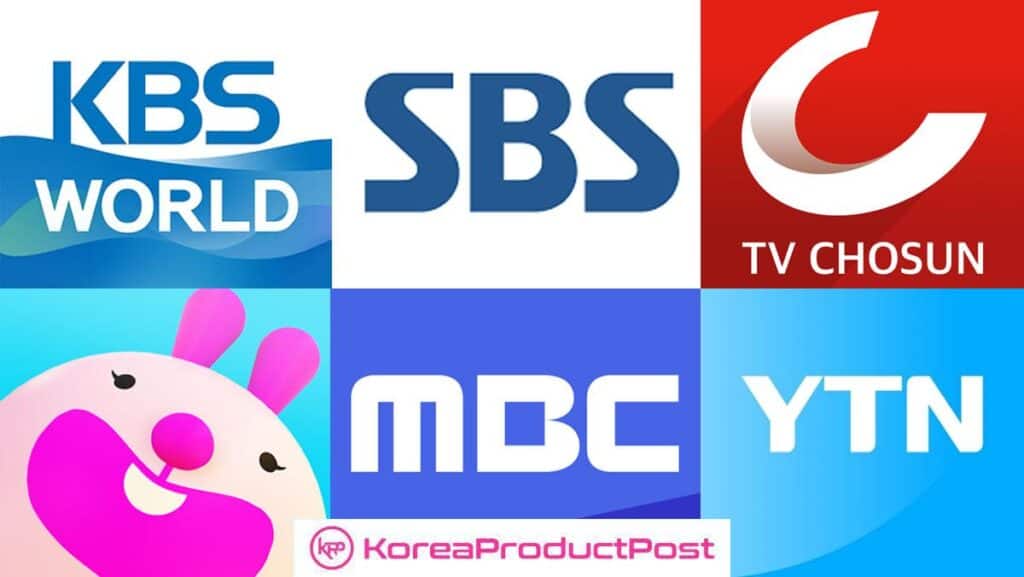
South Korea’s media journey started humbly after the Korean war, but over the decades, it transformed into a modern and dynamic industry. South Korea has one of the most advanced and creative broadcasting industries in the world. It started its journey after the 1960s and grew rapidly with the rise of technology. In today’s era, Korean broadcasting is not just limited with news or entertainment, it’s become the medium of representing the mixed cultures of South Korea, technologies and representative of global connections. KBS (Korean Broadcasting System), MBC (Munhwa Broadcasting Corporation), and SBS (Seoul Broadcasting System) play a huge role to shaping south Korea globally.
What Makes Korean Media Unique from Others?
What’s so big about South Korea’s media industry? This question may come-up to your mind. for me, its Korean high class technology power and blending of traditional culture with modern storytelling. Korean media empower social issues and family values in front of the audience which grabbed my attention. That unique storytelling style makes Korean content successful not only at home but across Asia, Europe and even in western countries. Korean broadcasting is famous for its k-dramas, news, variety shows and cultural programs. These shows not only entertain people but they also contribute to sharing Korea’s culture, values and lifestyle with global audiences.
Everyone knows about the hallyu wave (Korean wave) getting popular all over the world, the big contribution to its representatives – “Korean media industry”. Thanks to platforms like Netflix and YouTube, Korean shows can now reach millions of viewers instantly, making Korea “A global media powerhouse”.
The Advancement of Korean Technology
Everyone is familiar with Korean high technologies, you can read my previous article on Korean tech, “how technology shapes daily life in South Korea”. Korean technology plays a huge role in the media industry. With the hype of social media, OTTs, AI based editing tools, Korean creators have become the influencers in digital production from VR concerts to web dramas made for smartphones, Korea continues to innovate how stories are told. In instance,
K-pop idols can do live interactions with fans globally while sitting into their rooms, how? “Technology-advancement- digital communication” broadcasters like KBS, SBS, and MBC use high-quality digital equipment, 4K-8K cameras, using advanced editing software to make shows look visually perfect. These technologies help to produce clear, impressive and fast content for Television and online platforms.
Korean technology helps the media industry become smarter, faster and more global by combining creativity with innovation, South Korea has built one of the most modern and successful media systems in the world.
The Korean Government Support
Korean government supported the media industry through investment, training and promoting South Korea globally, by cultural content and creative talent, making media a key part of the nation’s soft power. That’s meant to say, Korea uses its culture through music, TV shows, and media and to connect with the world and improve its image internationally. It’s also a powerful way to promote the Korean culture as well economy around the world.
To help the media industry grow better and faster, Korean government provides financial support and training programs, even technology development methods for media companies, film producers, and for content creators. For example,
The Korea Creative Content Agency (KOCCA), started by the Korean government, aims to provide support to the production of K-dramas, animation, games, and digital content and media industry to grow more and more nation to internationally. This agency helps small creators through funding, education, and global promotion. Korean government also supports public broadcasters such as KBS (Korean Broadcasting System) to ensure the qualitative news and cultural programs reach everyone smoothly. In addition, the government promotes the Hallyu Wave (Korean Wave) by investing in cultural exports, this helps spread K-pop, K-dramas, and films worldwide, bringing both globally fame and profit to the country. During the pandemic, Korean government also helped the media industry shift to online production and digital broadcasting, showing strong technological and creative support.
Wrap up with the Final Thoughts
media and communication industry is one of the growing fields in present time. It provides everything that can helps people to gain knowledge, share information or stay connected both nationally to globally. While sitting in states you know what’s happening in Korea or from traditional newspapers, radio, and TV to modern platforms such as social media, online news, podcasts, and digital marketing. With the rise of the internet, 5g technology, communication perspective has completely changed. That’s the power of the media.
In the present, information can get in seconds through one click by smartphones, digital newspapers and global networks. This also created thousands of new jobs in digital media, content creation, public relations, advertising, journalism, and film production. This industry is growing because people are getting more content every single day even brands, companies, and even governments need skilled media professionals to connect with audiences effectively. In my opinion, the media and communication industry is a growing sector, each day it will grow more and more.
I believe countries like South Korea; the media and communication field has become a major part of the economy. I think the Korean media industry is not just limited to education, but also promotes its cultural journey to the world through K-dramas, K-pop, Korean shows and online platforms. Korean government as well private companies are also collaborating and investing in digital storytelling, global marketing, and media education, which will create new jobs and opportunities for young creators in the field.
In the coming years, South Korea will remain a world leader in entertainment, technology, and communication, using its media power, to share culture and innovation with the world.
Written by – Priyanshi Vaishnav
About the Author –
Hello everyone! I am Priyanshi Vaishnav. Content writing is my passion and exploring Korean culture is one of my hobbies.I enjoy diving into the depth of Korean culture from music to k Dramas, food, traditions and beyond. turning the passion into stories and sharing my words through writing with readers. My aim is to provide inspiration and information and connect readers with the charm of South Korea.