
Arirang (Korean: 아리랑; pronounced [a.ɾi.ɾaŋ]) is a Korean folk song. There are about 3,600 variations of 60 different versions of the song, all of which include a refrain similar to “arirang, arirang, arariyo” (“아리랑, 아리랑, 아라리요”).It is estimated that the song is more than 600 years old.

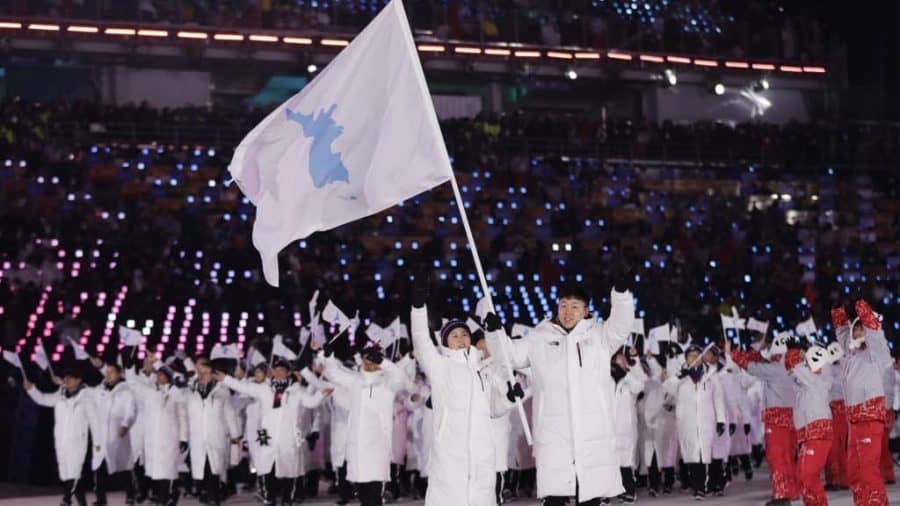
“Arirang” is included twice on the UNESCO Intangible Cultural Heritage list, having been submitted for inclusion first by South Korea in 2012 and then by North Korea in 2014.In 2015, the South Korean Cultural Heritage Administration added the song to its list of important intangible cultural assets.The song is sung today in both North and South Korea and acts as a symbol of unity between the two nations, which are divided by the Korean War.
History:It is believed that “Arirang” originated in Jeongseon, Gangwon Province. “Arirang” as a term today is ambiguous in meaning, but some linguists have hypothesized that “ari” (아리) meant “beautiful” and “rang” (랑) referred to a “beloved one” or “bridegroom” in the ancient native Korean language. With the two words together, the term arirang meant “my beloved one”. This theory, supported by scholars such as Shin Yong-ha , bears the song’s legend. According to the legend, the name is derived from the story of a bachelor and a maiden who fell in love while picking camellia blossoms near the wharf at Auraji (아우라지)—a body of water that derives its name from the Korean word “eoureojida” (어우러지다), which is closely translated to “be in harmony” or “to meet”. For example, the body of water that connects the waters of Pyeongchang and Samcheok to the Han River is called Auraji. Two versions of this story exist:
In the first one, the bachelor cannot cross Auraji to meet the maiden because the water is too high, so the two sing a song to express their sorrow.

In the second version, the bachelor attempts to cross Auraji and drowns, singing the sorrowful song after he dies.
According to Professor Keith Howard, Arirang originated in the mountainous regions of Jeongseon, Gangwon, and the first mention of the song was found in a 1756 manuscript. The Academy of Korean Studies also shares the view that “Arirang” was originally a folk song of Jeongseon. Some Jeongseon locals trace the song further back, to the era of Goryeo.
Some believe that the song spread to Seoul and other regions of Korea when workers from Gangwon were sent to Seoul to rebuild the Gyeongbok Palace under the order of Prince Regent Heungseon of the Joseon period. Others theorize that the words “arirang” and “arari” in the song’s lyrics originate from the families of the workers during this period, who said “arirang” (아리랑; 我離郞) or “ananri” (아난리; 我亂離) to the officials taking the workers from their Gangwon homes to the palace construction in Seoul, phrases that meant they couldn’t be separated from their lovers or families, respectively. According to the Maecheonyarok (매천야록; 梅泉野錄), recorded by Joseon scholar Hwang Hyeon , it seems the song was widespread in the country by this time.
The South Korean literary scholar Yang Ju-dong has theorized that the term “arirang” came from the combination of “ari” (아리), the old Korean indigenous word that also meant “long”, and “ryeong” (Korean: 령; Hanja: 領; lit. hill).
Some trace the term “arirang” to the name of Lady Aryeong, the wife of the first king of Silla, as the song could have evolved from a poem praising her virtues. Others have speculated that the term is linked to the Jurchen word “arin”, meaning “hometown”, or the name of an Indian god with a similar name.
First recording:
The first known recording of “Arirang” was made in 1896 by American ethnologist Alice C. Fletcher. At her home in Washington, D.C., Fletcher recorded three Korean students singing a song she called “Love Song: Ar-ra-rang”. One source suggests that the students belonged to noble Korean families and were studying at Howard University during the period in which the recording was made. Another source suggests that the singers were Korean workers who happened to be living in America during that time.The recordings are currently housed in the U.S. Library of Congress.
Resistance anthem:
During the Japanese occupation of Korea, it became a criminal offense for anyone to sing patriotic songs, including Korea’s national anthem, so “Arirang” became an unofficial resistance anthem against Imperial Japanese rule. Korean protesters sang “Arirang” during the March First Movement, a Korean demonstration against the Japanese Empire, in 1919. Many variations of “Arirang” that were written during the occupation contain themes of injustice, the plight of labourers, and guerrilla warfare. It was also sung by mountain guerrillas who were fighting against the occupiers.
The most well-known lyrics to “Arirang” first appeared in the 1926 silent film Arirang, directed by Na Woon-gyu. Arirang is now considered a lost film, but various accounts state it was about a Korean student who became mentally ill after being imprisoned and tortured by the Japanese. The film was a hit upon its release and is considered the first Korean nationalist film.
Popularity in Japan:
During the Japanese occupation of Korea, Japan experienced a craze for Korean culture and for “Arirang” in particular. Over 50 Japanese versions of the song were released between 1931 and 1943, in genres including pop, jazz, and mambo. Some Japanese soldiers were familiar with “Arirang” from their service in Japanese Korea, or from their interactions with Korean women forced into prostitution (also called comfort women), labourers, and soldiers.
Arirang is not merely a folk song but a profound cultural symbol that reflects the history, emotions, and collective identity of the Korean people. With its origins tracing back hundreds of years to the regions of Gangwon Province, the song has evolved through legends, oral traditions, and historical events, resulting in thousands of variations across Korea. During periods of hardship, especially under Japanese colonial rule, Arirang became a voice of resistance, sorrow, and hope. Its recognition by UNESCO and its continued presence in both North and South Korea highlight its enduring significance as a shared cultural heritage and a lasting symbol of unity and resilience of the Korean nation.
Written by – Divya Kumari

About the author –
My name is Divya Kumari, I recently appeared for the TOPIK I exam which is held on 19 Oct 2025. I have always been deeply passionate about South Korean culture. As BTS’s RM beautifully said, “No matter who you are, where you’re from, your gender identity, or your skin color—just speak to yourself.” These words have always inspired me to be confident in who I am, and my love for South Korea continues to motivate me to follow my passion.That is why I decided to participate in this Internship and gain valuable experience in this field. I am grateful to Learn Korean in India (LKI) for giving me the opportunity to express my love for the Korean language and culture.