
Imagine walking down a neon-lit Seoul street at midnight. The air hums with the scent of roasted chestnuts, street music drifts through the alleys, and then, glowing under the city’s heartbeat – a sign catches your eye: 0 Kcal Zone.
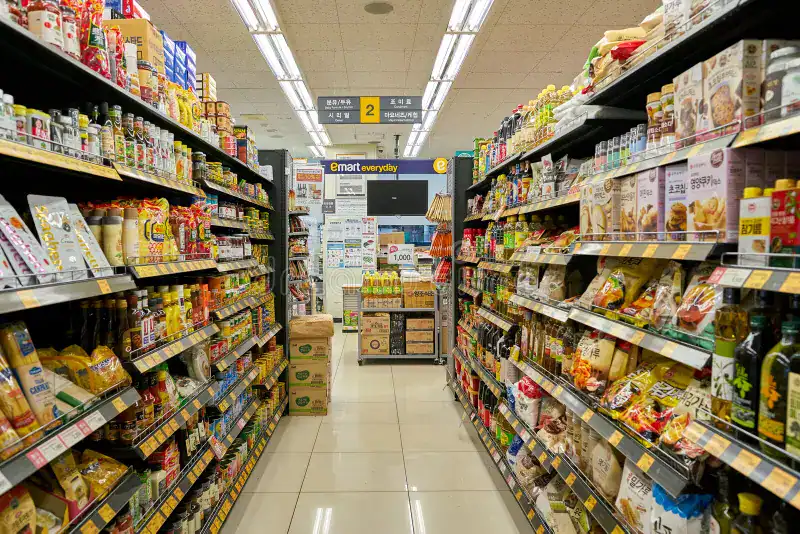
You step inside, and it’s like entering a parallel universe where cravings don’t come with consequences. Shelves brim with glossy bottles of zero-sugar yuzu soda, cream-filled protein bars promising “sweetness without sin,” and glossy instant noodles labeled “zero guilt, full taste.” This isn’t science fiction, it’s South Korea’s newest trend: the zero-calorie convenience store.
When Health Meets Aesthetic Living
Korea didn’t just invent the zero-calorie craze; it styled it. Here, wellness isn’t a chore; it’s an aesthetic. Fitness, skincare, and nutrition converge into one visual philosophy: light, transparent, and refined. That’s exactly how these “zero stores” feel, more like art galleries than grocery stops.
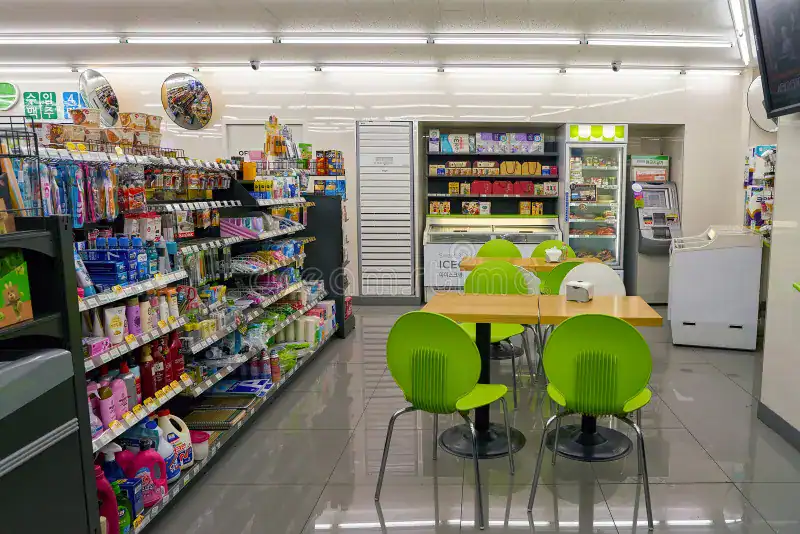
The shelves glow in soft pastels. The refrigerators whisper with tiny digital screens recommending your next drink based on your daily step count or mood. Some stores even feature interactive “taste mirrors” — QR-scanning kiosks that analyze your preferences and suggest custom low-calorie snacks.
The Zero Generation
To Korea’s Gen Z, “zero” doesn’t mean less — it means limitless. It’s the flavor of ambition without burnout, beauty without sacrifice, indulgence without worry. These stores have become unofficial sanctuaries for students pulling all-nighters, office workers escaping lunch guilt, and influencers documenting the “zero life” for their followers.
Sipping a frosty zero-calade soda, one university student describes it perfectly: “It tastes like freedom — sweet, light, and futuristic.”
The Technology of Guilt-Free Joy
Behind the scenes, innovation fuels this movement. New sweeteners like allulose and erythritol create flavors nearly indistinguishable from sugar’s addictive charm. AI-driven inventory systems monitor which “zero” items sell the fastest by time of day — turning the data of desire into design.
Even packaging reflects Korea’s obsession with detail: smooth frosted bottles, bold calorie count icons, and minimalist fonts that communicate precision, not deprivation.
The Philosophy of Nothingness
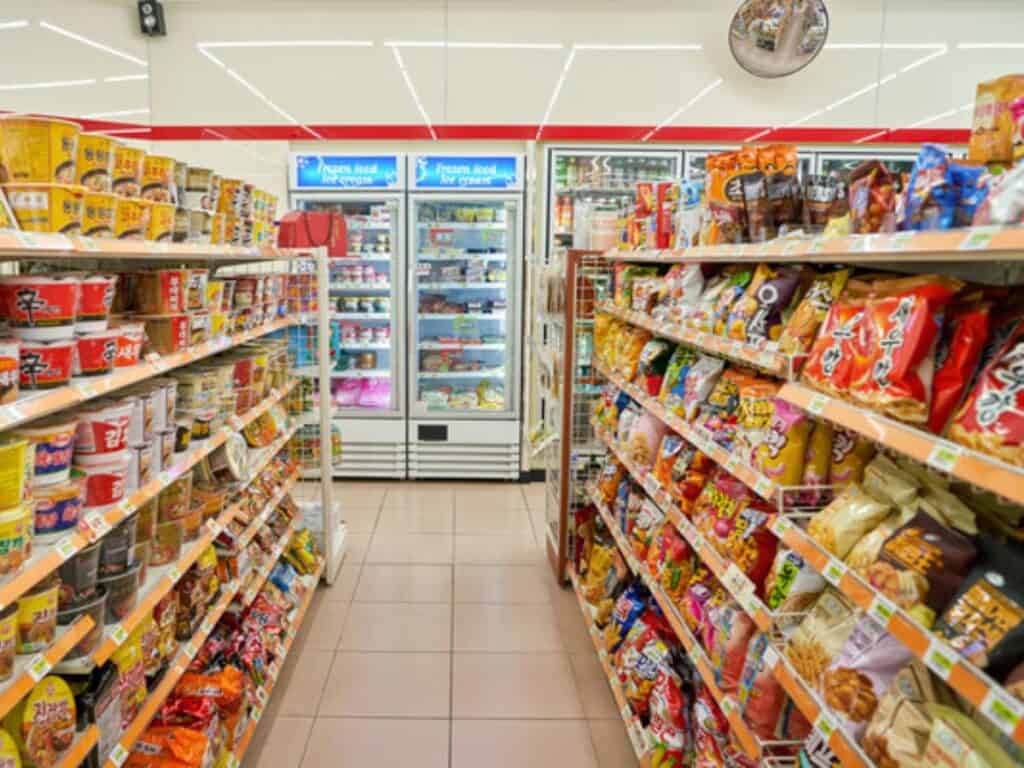
There’s an irony beautifully at play here. In a culture that moves fast, where every calorie and second counts, Korea has found meaning in nothing. Zero is no longer emptiness — it’s balance, freedom, and quiet control.
Korea’s zero-calorie convenience stores aren’t just changing how people eat; they’re redefining how people feel about eating. In their aisles, the future arrives quietly — carbonated, chilled, and utterly guilt-free.
Because sometimes, it’s not about what you consume.
It’s about what you choose not to, and how beautifully you can still enjoy it.
Written by: Pallabi Dey
About the author: As a part of this dynamic world, I am a tech explorer who is fueled not just by curiosity for code but also by diversified culture, cuisines, and flavors that paint our world. I also love writing content, painting and learning different languages that let me delve deep into the captivating aspects of cross-culturalism.