
As the year ends, a familiar warmth begins to surface- not just from steaming dishes or shared drinks; but from the people coming together. From sharing meals and drinks to karaoke nights, a deeply rooted year-end tradition Songnyeonhoe takes place. It’s the kind of gathering that feels comforting, reflective, and real—much like the scenes we’ve all come to love in Korean dramas.
What is Songnyeonhoe (송년회) ?
Songnyeonhoe (송년회) means “a gathering to send off the year.” It’s a moment that brings people together, eat, drink, share their bond and express their gratitude to people for supporting them throughout the year.
These gatherings are mostly practiced in Workplaces, Universities, Clubs, organizations or friend groups. The gathering activities include drinking and casual conversations, short speeches by the superiors, playing games and going to Karaoke after dinner.
Common Activities, Food, and Drinks- How is Songnyeonhoe celebrated?
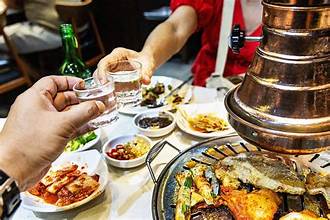
At the heart of every Songnyeonhoe warm food like Samgyeopsal (grilled pork belly), Jeongol or hot pot, and Fried chicken brings people closer to talk and laugh together.
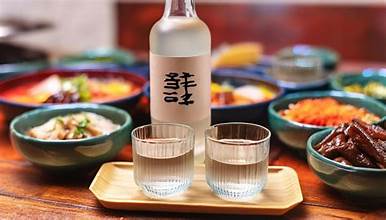
Drinks usually accompany the meal, most commonly Soju and Beer, sometimes mixed together as Somaek. Toasts may begin a little awkwardly but often end with genuine smiles and laughter. Today, many gatherings also include non-alcoholic options, making everyone feel comfortable.
The day ends with a karaoke night or noraebang, where the mood lightens, formal roles disappear, laughter grows louder. Korean dramas often show this exact moment, where group dinners turn into singing, games, and heartfelt bonding that last late into the night.
Cultural Etiquettes to Keep in Mind
Songnyeonhoe follows certain unspoken rules that reflect Korean social values:
- Respect for seniors remains important
- Pouring drinks for others is seen as polite
- Toasts are shared collectively, not individually
- Participation is encouraged, but never meant to feel forced
These etiquettes aren’t rigid—they exist to maintain harmony. The goal is to make everyone feel included, appreciated, and comfortable, regardless of age or position.
Modern Changes in Songnyeonhoe
Like many traditions, Songnyeonhoe has evolved with time. Today’s gatherings are noticeably more flexible and mindful:
- Shorter events instead of long late-night sessions
- Lunch Songnyeonhoe replacing alcohol-heavy dinners
- Smaller, more personal group settings
- Activity-based gatherings or even year-end trips
Modern workplaces are moving toward creating experiences that focus on well-being rather than obligation. Yet, even with these changes, the emotional core of Songnyeonhoe remains unchanged.
Conclusion
Songnyeonhoe is a simple yet meaningful way for people in Korea to end the year together. Through shared meals, laughter, and honest moments, it reminds us that before welcoming a new year, what matters most is the people we share it with.
Written by: Sakshi Yadav
About the author: I am Sakshi Yadav, and I am currently pursuing my Master’s in Computer Applications. My interest in technology and diverse cultures has brought me to South Korea, a place where innovation and rich traditions beautifully coexist, which has made me learn Korean Language and also work on my interest which is writing, and am so passionate about it as well as have gained valuable experience in this field. With LKI, I’m thrilled to express my love and enthusiasm for South Korea through my articles and share its culture, creativity, and technological excellence with others.