
Introduction: The Poetry in a Cup
While kimchi and gochujang dominate Korea’s culinary narrative, there is a subtler, sweeter side to its food heritage. Enter Sikhye (식혜) and Sujeonggwa(수정과), two traditional drinks that have quenched Korean thirst for centuries. More than mere beverages, they are liquid poetry that dance to the rhythm of Korea’s seasons, embodying the philosophical balance of yin and yang, hot and cold, spice and sweetness.
Chapter 1: Sikhye (식혜) – Summer’s Sweet Salvation
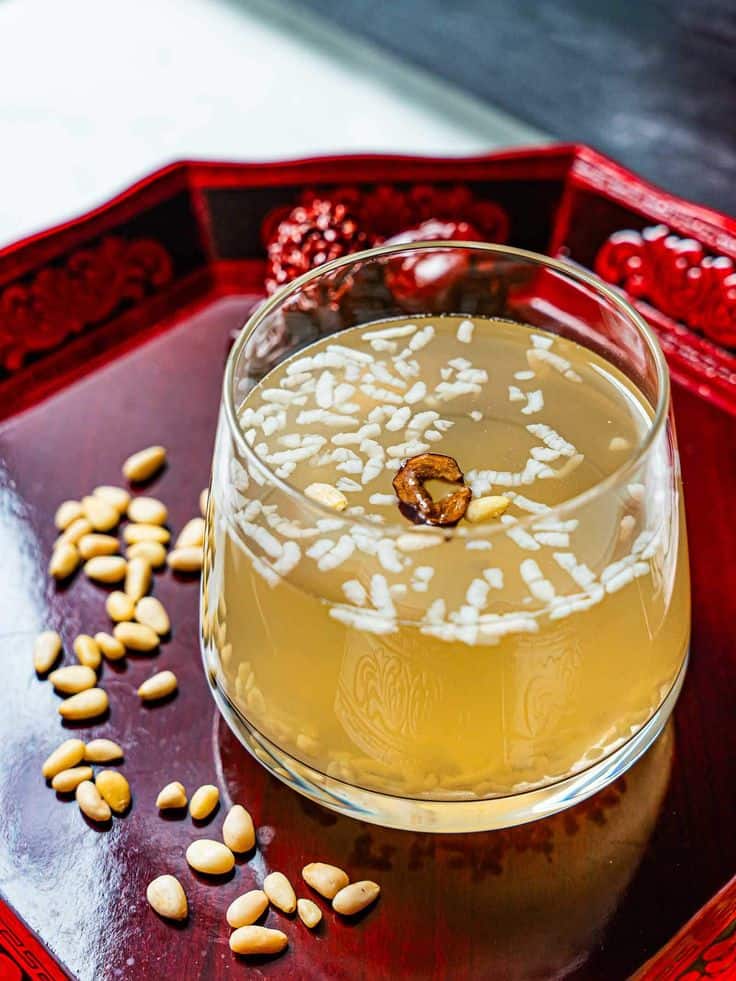
The Science of Sweetness
Sikhye is a masterpiece of fermentation science. Its production begins with malt barley (yotgireum), which contains enzymes that break down rice starch into the sweet maltose. The process is delicate; over-fermentation leads to excessive sweetness, while under-fermentation results in a bland drink. The perfect sikhye achieves a harmonious balance: subtly sweet, slightly effervescent, with the comforting graininess of floating rice pearls.
The Cultural Resonance
- Digestive Aid: Traditionally served at the end of rich meals, especially after holiday feasts, to aid digestion
- Summer Elixir: Iced sikhye is Korea’s ultimate summer refreshment, believed to cool the body from within
- Ceremonial Significance: Often served at weddings and ancestral rites as a symbol of purity and sweetness in life
Modern Metamorphosis
Contemporary chefs are reimagining sikhye in fascinating ways:
- Sikhye Float: Topped with vanilla ice cream for a textural contrast
- Sikhye Cocktails: Mixed with soju or makgeolli for a Korean-inspired spritzer
- Sikhye Granita: Frozen and scraped into a sophisticated dessert
Chapter 2: Sujeonggwa (수정과) – Winter’s Warm Embrace
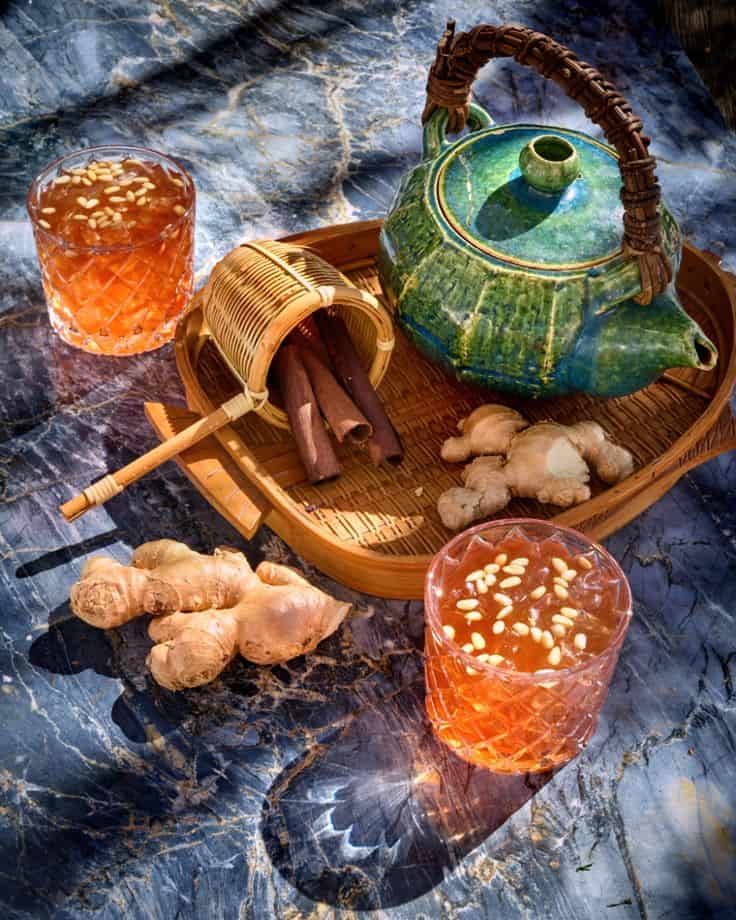
The Alchemy of Simmering
Sujeonggwa is a study in patience and precision. The process begins with slowly simmering ginger and cinnamon sticks for hours, extracting their essential oils and medicinal properties. The liquid is then carefully strained and sweetened with honey or brown sugar, and the dried persimmons are steeped overnight, imparting their fruity essence and creating a beautiful amber hue.
Healing Heritage
- Winter Wellness: Served warm during cold months, believed to improve circulation and ward off chills
- Medicinal Roots: Ginger for digestion, cinnamon for blood circulation, and persimmons for vitamins
- Festive Staple: Essential during Lunar New Year celebrations, symbolizing warmth and family unity
Contemporary Interpretations
Modern interpretations maintain the drink’s integrity while adding creative twists:
- Sujeonggwa Reduction: Cooked down to a syrup for drizzling over pancakes or ice cream
- Spiced Sujeonggwa Latte: Combined with espresso for a Korean-inspired coffee experience
- Cocktail Base: Mixed with bourbon or rye whiskey for a winter Old Fashioned variation
Chapter 3: The Seasonal Dance – A Calendar in Cups
Spring Transition
– Sikhye begins appearing as temperatures rise
– Sujeonggwa makes its final appearances before the heat sets in
Summer Reign
– Sikhye dominates, served ice-cold in perspiration-beaded metal bowls
– Street vendors and convenience stores stock bottled versions
Autumn Shift
– As chrysanthemums bloom, sikhye production slows
– Preparations begin for sujeonggwa season
Winter Dominion
– Sujeonggwa takes center stage, steaming in delicate porcelain cups
– Served after meals as both dessert and digestive
Chapter 4: Beyond the Traditional – Fusion and Innovation
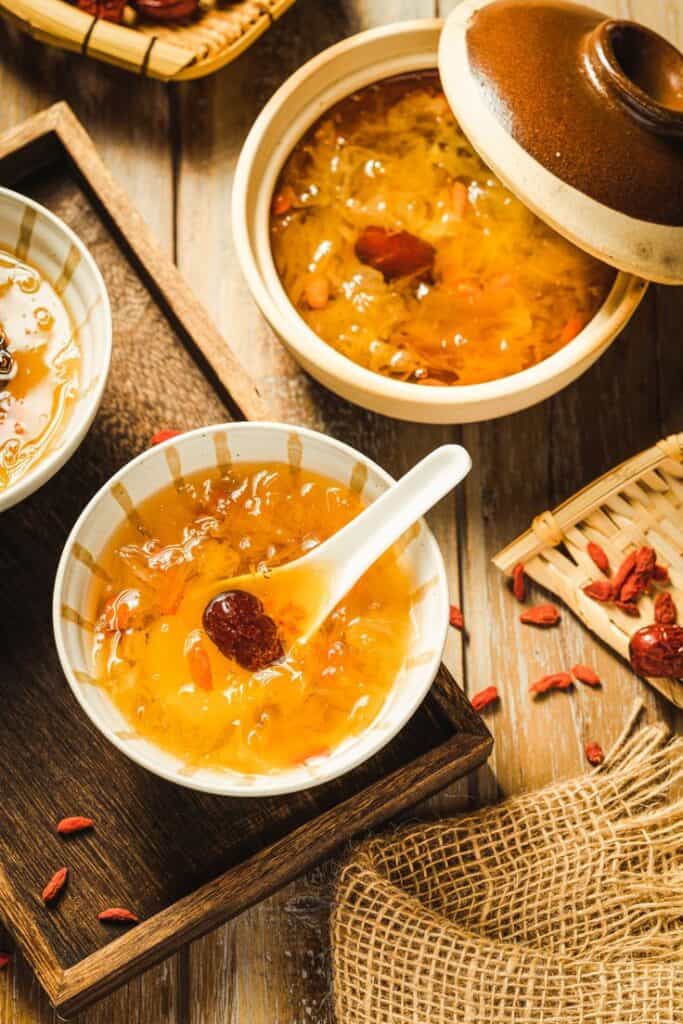
Culinary Crossovers
– Sikhye-Braised Pork Belly: Using sikhye as a tenderizing marinade
– Sujeonggwa Poached Pears: Infusing fruits with the spice blend
– Sikhye Panna Cotta: A delicate dessert combining Italian and Korean techniques
Wellness Movement
– Gut-Health Focus: Sikhye’s probiotic properties are gaining attention
– Adaptogenic Blends: Sujeonggwa enhanced with modern superfoods
– Zero-Waste Versions: Using leftover rice and fruit peels for sustainable versions
Chapter 5: The Home Experience DIY Tradition
Simple Sikhye Recipe
1. Soak malt barley in water, strain after 3 hours
2. Add cooked rice to malt water, maintain at 65°C for 5 hours
3. Strain, add sugar to taste, and refrigerate
4. Add pine nuts before serving
Classic Sujeonggwa Method
1. Simmer ginger and cinnamon sticks for 2 hours
2. Strain, add honey, and cool completely
3. Add dried persimmons, steep overnight
4. Serve chilled or warm with pine nuts
Conclusion: The Eternal Pour
In a Korea racing toward the future, sikhye and sujeonggwa remain anchors to a sweeter, slower past. They’re not just drinks but liquid memory connecting modern Koreans to their grandmothers’ kitchens, to holiday celebrations, to the simple pleasure of a perfectly balanced sweetness.
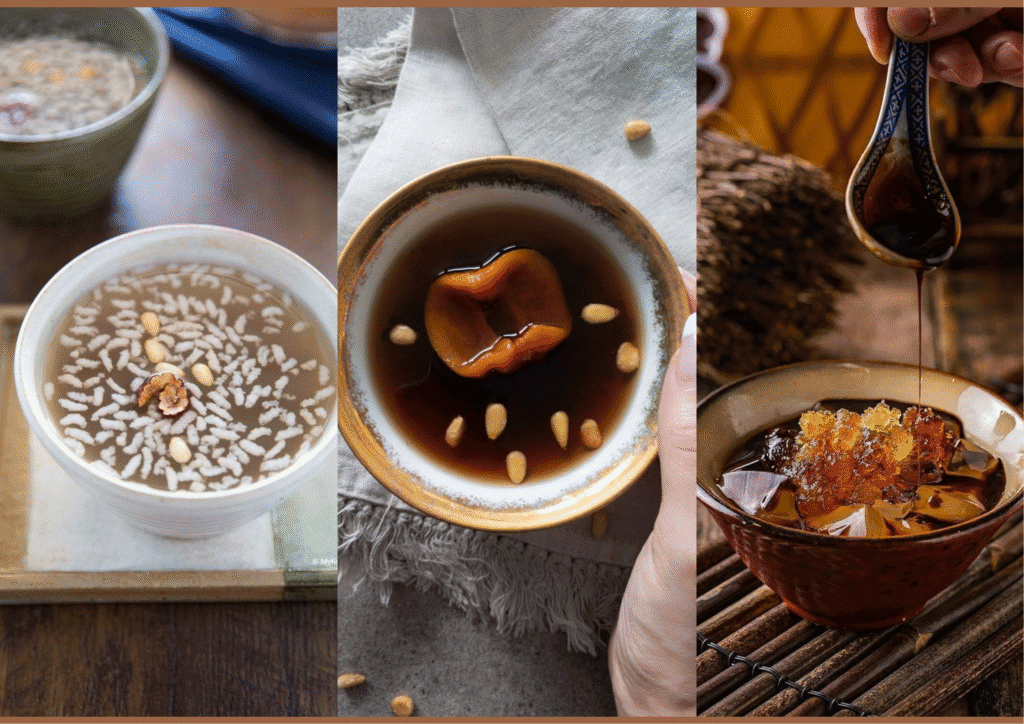
As you sip sikhye on a sweltering summer day or warm your hands around a cup of sujeonggwa in deep winter, you’re participating in a centuries-old dialogue between people and seasons, between tradition and taste. In these humble drinks lies the true soul of Korean hospitality: a sweetness offered freely, a warmth shared generously, and a history poured one cup at a time.
Pro Tip for Travelers: Visit Jirye Myeonga in Insadong for artisanal sikhye, or seek out traditional tea houses in Bukchon Hanok Village for authentic sujeonggwa. The best versions are always found in places where the recipe hasn’t changed in decades.
Written by – Trisha Deka
About the Author –

Think of Trisha as your modern-day storyteller for a dynamic culture. She’s got a sharp eye for the moments where tradition and hyper-modernity collide in Korea. One minute, she’s breaking down the latest digital trends from Seoul, and the next, she’s explaining the timeless ritual of a tea ceremony. Her writing is your front-row ticket to understanding not just the “what” of Korean culture, but the “why” that makes it so captivating