
‘What is your MBTI?’ comes before ‘What is your Name?’
If there is one question that is certain to be heard being asked in today’s South Korea, it is ‘What is your MBTI?’ Not your favourite food or your favourite hobbies. Just a combination of four letters is supposedly going to explain everything about you. From K-Pop idols to Politicians, personality classification has become a full-blown lifestyle trend. From personality types on social media profiles to cafes decorating drinks based on MBTI traits, it has become a way of understanding people – in the quickest way possible.
What is MBTI?
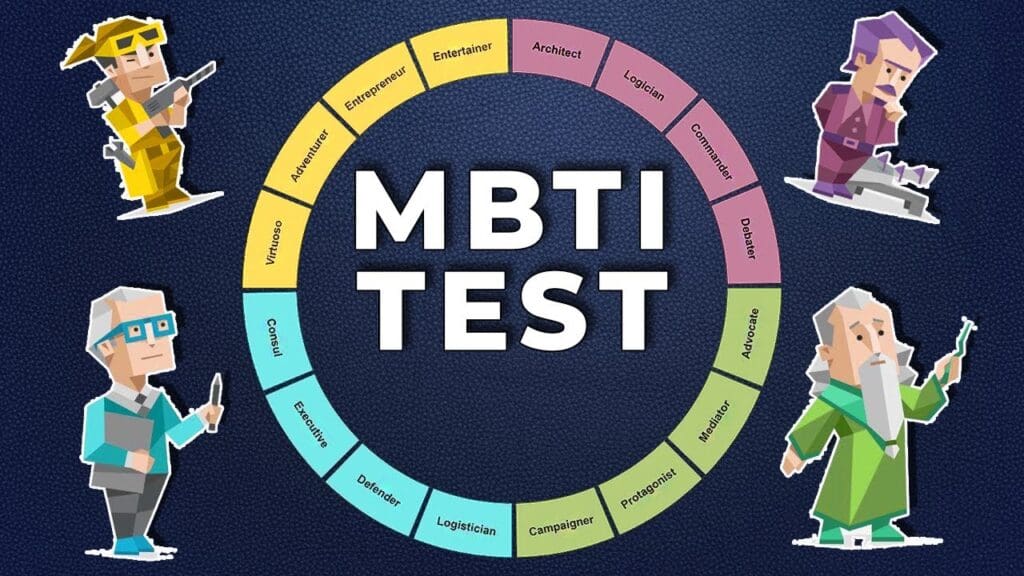
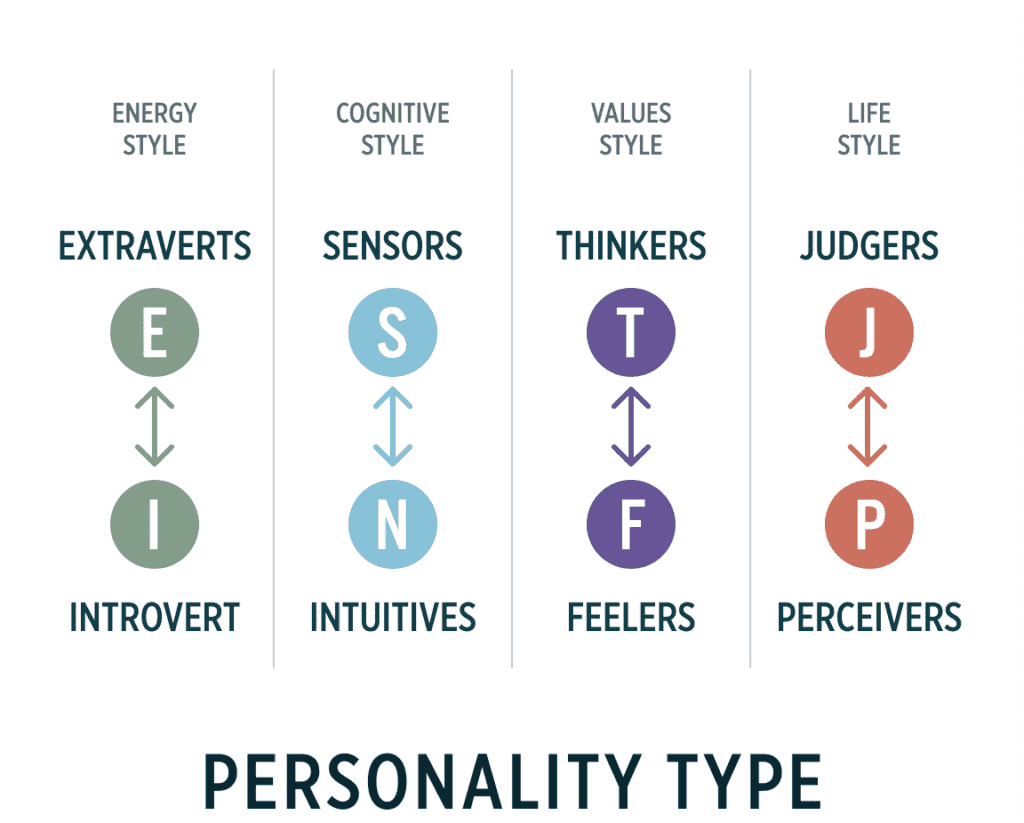
The Myers-Briggs Type Indicator test is a self-report questionnaire that claims to identify and categorise individuals into 16 distinct personality types based on psychology. Personality types here are based on the acting tendencies of people. It was proposed that people can be categorised using four dichotomies as shown in the picture below.
From science to social trend: MBTI in Society
This popular system was developed by Isabel Briggs Myers and Katherine Briggs in the 1960s built on the theories of Dr. Carl Jung. However, this personality test’s popularity exploded around 2020 in South Korea, during the Covid-19 pandemic. It was driven by young people seeking self-understanding, connection and a social ice breaker during lockdowns. It was seen as a fun way to navigate social relationships which further became a cultural phenomenon that replaced previous existing trends in the country.
But is this categorization about an individual’s self-discovery or just the quickest way to label someone in a busy society?
Need an ice-breaker? MBTI has you covered. Can two strangers bond instantly over being introverts? As ironic as it may sound, MBTI has you covered for that too. In a society where first impressions matter, MBTI works like an emotional shorthand. It is not an exaggeration if one said that Korea gave a glow-up to the already existing MBTI test. According to the reported surveys in the country by the media, over 90% of people in their 20s have taken an MBTI test.
From social trend to social media trending: MBTI Online
When Instagram reels like ‘Most difficult MBTI types to date’ or YouTube videos titled ‘Things only INFJs understand’ rack up millions of views, we understand how deep and to what extent the concept of MBTI has connected with youngsters in the country. Even K-dramas and variety shows casually drop personality labels in their content, turning MBTI into a shared cultural language rather than a mere test result.
The fun side: Finding yourself in 4 letters
For many teens and young adults, MBTI offers something comforting: a way to explain yourself without going deep into the details or explaining every minute trait. For example, saying I am an introvert is easier than explaining their social anxiety and roots for it. On a major onset, learning about a person’s personality in this manner helps to:
- Understand their communication style
- Feel less alienated about their likes, dislikes and habits
- Improve friendship and teamwork
Also, in a high-pressure environment filled with exams and expectations on how to act a certain way, personality tests feel like a moment of self-reflection – wrapped in fun.
The not-so-fun side: When labels become limits
All is fun, but it gets a little tricky when these letters of labels become filters for connections and limit the possibilities to the extent of becoming obstacles while deciding who to befriend or avoid. Comments like “I don’t get along with F-types” or “I can’t get acquainted with P-types” start turning personality tests into literal social filters.
Psychology experts often point out that MBTI was never meant to define someone completely. In addition, people change depending on environment, age and experience. However, this trend of MBTI defining people’s personality is not something that is new to Korean society. Before MBTI, the blood type personalities were everywhere, where sometimes friendships were judged by blood compatibility. MBTI may feel more modern, but the concept behind this idea is similar: finding comfort in categories.
More than 4 letters: Personality beyond MBTI
So, is Korea’s personality craze about self-discovery or social short-cuts?
The truth is, it is both – it sits somewhere in between. Personality types like MBTI offer a playful way to understand ourselves, break the ice or even heal when used as a tool of reflection and help feel seen in a high-pressure society. It gives a way to structure and articulate emotions that are often hard to explain.
But when taken too seriously, it risks shrinking people into stereotypes that don’t leave room for growth. When the four letters start replacing a person’s curiosity towards another, they stop being helpful. People are so much more than test results, algorithms or labels. Personalities shift and evolve with time, experience and relationships – something a one-time quiz cannot fully capture.
In the end, these four letters can start a conversation – but they shouldn’t end one. Real personality is messy, flexible and complex. Afterall, discovering who we are should not end with a result on screen but must keep up with the times and be ever-evolving.
What is your opinion on this? Is it the same as ours? Maybe your MBTI could tell us if we are on the same page? Comment your MBTI below.
Written by – Sowmya Omkar

About the author –
Sowmya Omkar is a passionate polyglot and linguistics enthusiast whose love for Asian languages – especially Korean – naturally expanded into a deep curiosity for culture behind them. Her creative spirit and interest in linguistics inspire her to write about how cultural nuances and subtleties of a language combine to make this world a complex yet fascinating and diverse yet inclusive place. Blending creativity with cultural exploration she aims to write articles that highlight Korea – its language, traditions and stories that make it unique.