
Complete synchronization. Explosive energy. Perfect facial expressions.
In terms of stage performance, it only takes three to four minutes to present a K-Pop show, but it is truly years worth of physical training and pushing the human body to its limits. Every jump, turn, and landing is done like an Olympic- level athlete, and it is accomplished thousands of times when training is being conducted.

Unlike other traditional pop stars, K-pop idols do not only have to sing; they need to be high-energy performers whose body parts are to be considered musical instruments with a high level of precision. The exhausting tasks they undergo are similar to those undertaken by professional dancers and athletes. In fact, contrary to expectations, idol medical services remain behind those provided in professional sports.
However, in recent years, there has been a quiet revolution. As injury, burnout, and long-term health implications become increasingly transparent, it is being realized by the K-Pop community at every level that world-class performance simply cannot be achieved in conjunction with world-class care. And thus, there has been an increasing adoption of Performance Medicine, with physiotherapy becoming one of its key components.
Chapter 1 – Introduction
K-Pop is more than just a musical genre from Korea – it’s an entertainment giant that has the power to shape culture, the media, fashion, entertainment, and the music industry globally. With over hundreds of K-Pop groups out there, millions of fans all over the continents, and over billions of views each year, K-Pop has established itself in the global pop culture landscape with over 150 million faithful fans all over the world.
But beneath the shining lights of performance, polished moves, and popular hits lies the hard reality of their lives as K-Pop idols: their bodies work like Olympians in training as their lengthy grueling routines in dance practice and perfect performance take up to 10-18 hours of their day as trainees in these entertainment giants once debuted as idols proceed to have non-stop world tours and performances in their day job itself which isn’t anything less than 12-14 hours of hard work each day with very little rest in between, leaving their musculoskeletal system under tremendous strain just like professional dancers or professional athletes.
In dance-related performance arts, studies have found the injury incident rate to be between 0.6 and over 5 injuries per 1,000 hours of training, with overuse injuries alone constituting over 70 percent of all injuries reported. These are more than just numbers; these have real-life implications for the performers, for whom precision, endurance, and resilience in performance are quite literally their career.
In this scenario, Performance Medicine in general, and physiotherapy in particular, have transcended from being additive or supplementary in performance support to becoming the backbone of performance sustainability itself. With their origins firmly established in sports medicine and dance medicine in particular, the domain of Performance Medicine is all about optimizing physical performance capability, injury prevention, and maximizing recovery rates for elite performers. For K-Pop artists, this is about more than just addressing sprains or fatigue; it is about dictating their performance movements, rest strategies, and recovery techniques to promote their performance longevity.
Thus, while the glitter and glamour of K-Pop capture global attention, a quieter revolution is underway — one where physiotherapy and performance science are becoming indispensable to an industry that demands athletic precision from its performers. This article argues that physiotherapy is not simply a post-injury fix, but a foundational component of long-term performance sustainability in K-Pop.
Chapter 2 – The Physical Demands of K-Pop Performance
K-Pop performances are a distinct and unique combination of many elements: Dance Athletics, endurance and intimate expressiveness in art. The choreography of Korean Pop is different from Traditional Pop in that the establishing movements are high impact with rapid switching, synchronized movements with other dancers, and multiple rehearsals for perfection. All the stress associated with the above has created ongoing stress to the mechanical systems of the musculoskeletal system for the Ankle, Knee, Hip, Spine, and Shoulder complex.
High-Intensity Choreography and Musculoskeletal Load –
In recent years, the majority of K-Pop choreographers have used fast-paced movement sequences in their dances. These sequences often utilize multiple components that create high levels of intensity within a very short period of time (ex: jumping, floor work, sudden changes in direction, turning, etc.). Due to this high intensity, dancers expose their body to higher amounts of repetitive loading on the joints through jumping and landing. Along with this repetitive loading, dancers also expose themselves to high amounts of shearing forces on the joints due to constant change in direction.
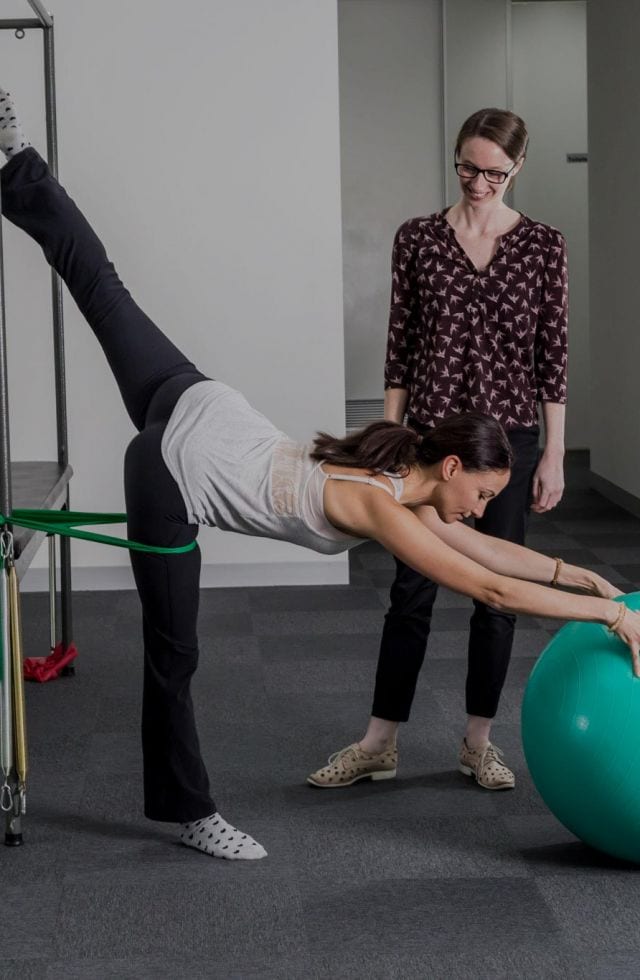
The repetitive stresses created over time can lead to microtrauma to the joints, which increases the risk of ligament injuries, muscle strains, spinal overload, and chronic joint pain. Similarly,
physiotherapists identify many of the same movement patterns in other elite forms of dancing, and elite athletes in competitive sports. These movement patterns cause huge increases in the risk of injury to the athlete, especially with regards to improper load management and less adequate periods of recovery following exercise.
Extended Rehearsals and Overuse Injuries –
Due to K-Pop idols’ long daily rehearsal schedules lasting many hours over several months, not just for a few days a week and only for a limited amount of time, there are numerous instances where they need to repeat repetitive movements over and over again as they learn choreography to achieve visual synchronisation. Therefore, K-Pop idols typically have high levels of repetitive strain on their bodies, leading to insufficient recovery periods and, ultimately, overuse injuries such as tendinopathy, stress fractures and muscle fatigue syndromes; these are caused by repetitive strain injuries.
When K-Pop idols are chronically fatigued, this not only lowers their ability to physically perform; it also affects the motor control of K-Pop idols, thus making it more likely for acute injuries to occur during performances or when they are on-stage performing live.
Physiological Stress and Weight Management –
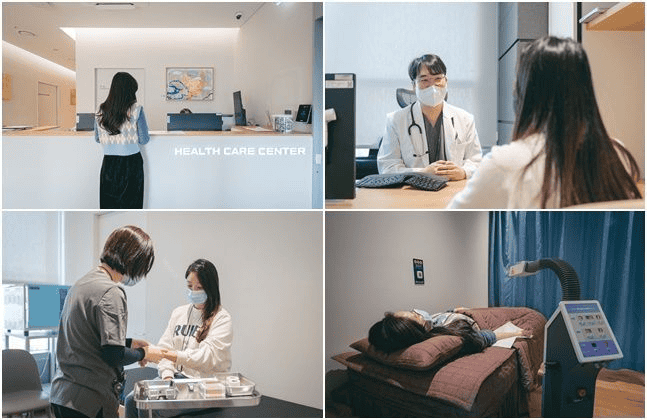
An idol who is not only under immense physical strain but also has the physical appearance of having ‘good weight’, or at least, being seen positively through photographs, also must prepare for their next meal (food). As such, they may not consume enough food to recover post-workout to build muscle or keep it healthy, promote strong bones, prevent injuries, etc. Through performance medicine’s perspective, by not providing enough energy to heal injuries, to improve endurance performance, and improve/maintain neuromuscular coordination, idols will continue to experience poor performance quality and shorter career spans.
K-Pop Idols as High-Performance Athletes –
While K-Pop idols operate within an entertainment-based industry rather than a competitive sport, their job requires a degree of skill similar to what would be expected from an elite athlete when applying the principles of Performance Medicine.
A K-Pop idol’s performance will include wearing costumes, performing intricate dance routines (often while singing), and interacting with fans. To perform these activities, they require extraordinary strength, flexibility, cardiovascular endurance, coordination, and mental toughness to succeed over long periods under intense public scrutiny.
This analogy illustrates that K-Pop idols, like elite level athletes, need to utilize the support of well-structured medical and physiotherapy systems in order to maintain optimal levels of performance. It is also important to understand the importance of not viewing K-Pop Idols as entertainers only, but rather high-level performers who are deserving of the same level of rehabilitation support as elite level athletes. As such, Physiotherapy has evolved into an invaluable part of K-Pop due to the similarities in the expectations of both K-Pop idols and elite level athletes.
Chapter 3. Common Injuries and Physical Strains in K-Pop Performers
Due to the extensive physical demands placed upon them as K-Pop performers, idols incur a specific type of injury pattern that is very similar to the injury patterns found in professional dancers and elite level sports participants. In most cases, these injuries do not occur in isolation but rather develop over time as a result of cumulative overload, repetitive use, and inadequate time to recover. Therefore, it is crucial that these injuries be diagnosed at an early stage through physiotherapy intervention.
Musculoskeletal Injuries –
The common musculoskeletal injuries seen in K-pop artists include lower limb musculoskeletal disorders, especially around the ankle and knee joints. Jumping, turning, and suddenly changing direction are common causes of ankle sprains, patellofemoral pain syndrome, ligament sprains, and meniscus injuries. Poor landing technique, loss of neuromuscular control during fatigue, and prolonged practice sessions are additional contributing factors.
The lumbar spine is another area that can easily be injured. The repeated flexion, extension, and rotation that occurs in choreography, along with rehearsal posture, leads to lower back pain, muscle imbalances, and overuse injuries. Injuries to the shoulders, such as rotator cuff strain and scapular dyskinesis, also occur because of repeated arm movement patterns during performances.
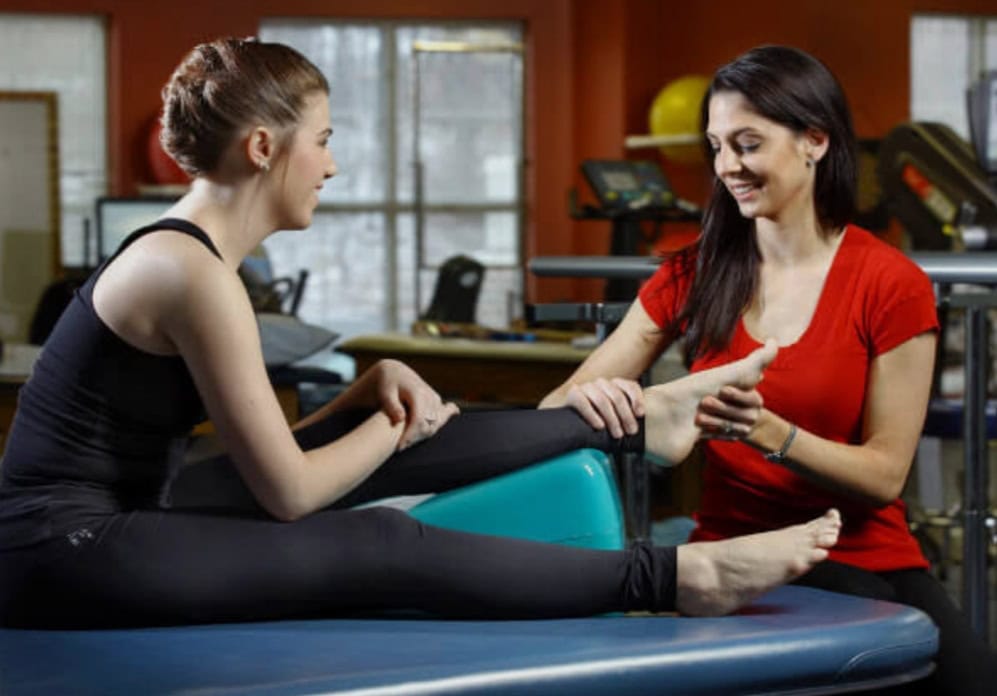
In physiotherapy practice, such injuries tend to become more of issues related to movement patterns, muscular imbalances, and even biomechanical loading rather than acute incidents.
Chronic Repetitive Strain Injuries (RSI) –
Unlike acute injuries, many K-Pop performers experience chronic repetitive strain injuries, which develop gradually over time. Continuous repetition of the same choreography without sufficient variation or recovery can lead to tendinopathies, muscle tightness, joint stiffness, and reduced range of motion. These conditions may initially present as mild discomfort but can progress into persistent pain that limits performance capacity if left unaddressed.
RSIs are particularly concerning in an industry where performers may feel pressured to continue training despite pain, often masking symptoms until they become functionally limiting. Physiotherapy plays a crucial role here by identifying early warning signs, correcting biomechanical faults, and implementing preventive exercise strategies.
Overtraining Syndrome and Psychosomatic Pain –
In addition to structural injuries, Korean pop idols can suffer from overtraining syndrome, a situation characterized by fatigue, reduced performance levels, somnolence, and vulnerabilities to injuries. More importantly, the extreme mental strain of performing, pressure, scrutiny, and hectic activity can result in physical pain which does not have a structural basis.
This interaction of the mind and body manifests itself in terms of generalized muscular pain, headaches, fatigue, and joint aching, thus underpinning the psychosomatic nature of sports injuries. In this respect, physiotherapy not only treats the body but also includes techniques such as relaxation, breathing control, and movement reeducation to treat the physiological and psychological factors contributing to the pain.
Clinical Observations and Case Patterns –
Clinical reports from within the dance medicine and performance rehabilitation settings have generally confirmed that performers without structured preventive care are likely to develop multiple concurrent injuries, prolonged recovery times, and episodes of recurrent pain. On the other hand, performers who regularly undergo physiotherapy-led screening and conditioning have better movement efficiency, reduced recurrence of injury, and improved performance longevity.
These findings underline the fact that injuries in K-Pop are not occupational hazards but rather predictable outcomes of extreme performance demands without proper medical integration.
Chapter 4 – Role of Physiotherapy in K-Pop Performance Medicine
As K-POP progresses towards becoming a more intense performance-oriented industry, physiotherapy is now finding its new identity as a multifunctional domain, which spans injury prevention, rehabilitation, and performance enhancement. No longer content with its classic role of injury reaction and response, physiotherapy for K-POP idols has progressively moved towards becoming a proactive modality.
Preventive Physiotherapy: Reducing Injury Risk Before It Occurs –
Preventative physiotherapy lies at the root of effective K-pop performance. By screening and analyzing individual movements, physiotherapists are able to analyze muscular imbalances, joint instability, and unnatural movements, which can lead to injury among performers.
Structured stretching and strengthening regimens aim at improving flexibility in addition to stabilization of the joints, especially in areas that often develop pathology, such as the ankles, knees, hips, spine, and shoulders. The approach utilized in the correction posture focuses on habits of rehearsal postures along with uneven movement patterns.
Biomechanical analysis has made further strides in enhancing preventive healthcare. Motion analysis systems, wearable technology, and artificial intelligence algorithms for dance analysis enable physiotherapists to make objective assessments about dance movement patterns and impact mechanics. Such analysis makes it possible to minimize unnecessary stress on the dancer with preservation of artistic expression.
Rehabilitation Physiotherapy: Safe and Efficient Return to Performance –
During injury, significant role of physiotherapy is seen in evidence-based care regarding return of functioning while keeping the downtime minimal. The treatment programs include a combination of manual therapies addressing soft tissue restrictions along with joint dysfunction, while the other aspect includes progressive exercise programs to enhance strengthening, flexibility, and neuromuscular functioning.
Modalities such as ultrasound, electrotherapy, cryotherapy, and taping can be employed in the early stages of rehabilitation for the management of pain, inflammation, and healing. Active rehabilitation in contemporary practices ensures that the performer actively recovers and restores functional movement patterns that are specific to the demands of choreography.
The important aspect of K-pop rehabilitation is obtaining a safe and performance-ready return, as opposed to terminating symptoms alone. Gradually returning to rehearsals, progressive loading, and exercise conditions tailored specifically to choreographed movement can decrease reinjury risk while preserving performance quality.
Physiotherapy for Performance Enhancement –
Besides injury management, another direct contributing aspect of physiotherapy is improved performance. Through maximal efficiency in movements, muscular endurance, and flexibility, physiotherapists help idols execute complex choreography with less effort and more consistency.
Balance training and proprioception exercises help to increase joint perception and musculoskeletal coordination, especially regarding rapid transitions and impact landings. Core stability and musculoskeletal chain assimilation also contribute to effective power transmission and control, which means greater stage presence and technical skill.
Such interventions closely correspond with elite sports conditioning principles and signify further recognition regarding K-Pop idols as high-performance actors rather than entertainment actors.
Mental Health & Psychosomatic Care –
The heavy psychological pressures of K-Pop, such as performance anxiety, public scrutiny, and grueling schedules, often materialize in terms of physical symptoms such as muscular tension, chronic pain, fatigue, and restricted movement. Physiotherapy is concerned with this mind-body interface with the aim of employing comprehensive care approaches.
Methods like breathing control techniques, muscle relaxation, body awareness tasks, and directed body therapy enable the management of the autonomic nervous system and alleviate physical symptoms related to stress. When combined with mindfulness strategies, physiotherapy enhances mental toughness and physical recovery by emphasizing the sustainability of performance.
Why This Matters
The expanding role of physiotherapy in K-Pop reflects a broader shift toward performance longevity, injury prevention, and holistic health. By integrating preventive care, rehabilitation, and performance optimization, physiotherapy has become a cornerstone of modern K-Pop performance medicine, safeguarding both the artistry and well-being of performers.
Chapter 5 – Innovative Techniques in K-Pop Performance Medicine
As the amount of physical intensity in K-Pop increases, there has been a rise in the implementation of advanced performance medicine technologies. These technologies have completely changed the way K-Pop idols train, recover and maintain their long term performance levels. The K-Pop performance medicine approach is based on many areas including elite sports science, dance medicine, and modern technology to increase the use of evidence-based physiotherapy treatments.
Technology Integration in Physiotherapy –
Contemporary K-pop entertainment firms have also started to utilize motion capture technology and wearable sensor technology to objectively analyze the movement patterns of the artists as they practice and perform. This allows physiotherapists to objectively monitor the movement patterns that cannot easily be detected by the naked eye.
The sensor system tracks and monitors muscular activity, impact force, balance control, and workload volume on a constant basis, offering real-time information on physical overload. Using this information, along with AI-driven prediction algorithms, medical personnel can thus pick up on warning signals of injury and adjust training loads accordingly before any problems develop.
In addition, 3D biomechanical modeling makes it possible to create individualized programs for rehabilitation and conditioning. In this manner, by simulating the movement mechanics and joint pressures for different demands of the choreographed movements, physiotherapists are able to create specific programs to take care of these vulnerabilities while maintaining the beauty of the movements performed by the dancer.
Sports Medicine Crossover: Athlete-Level Care for Performers –
The methods of recovery for Korean Popular Music (K-Pop) performers are increasingly becoming similar to those for elite athletes (sport rehabilitation). The protocol ‘athlete level’ is expanding to include artistic aspects of dance and stage performance. Thus the scheduling of training, strategies for load management and Return to Play (RTP) protocols, all of which have been traditionally used in professional sports, are also being re-engineered for the performance cycle in regard to tours, promotional activities and comebacks.
The integration of recovery practices means the recovery process not only alleviates the symptoms of injury, but will also include Neuromuscular Conditioning, Endurance Restoration and Choreography Specific Functional Training as part of the complete recovery process. Physiotherapy for K-Pop artists takes an athlete-type approach, improving the likelihood of preventing injury and increasing stage consistency.
Advanced Recovery Strategies –
Recovery is a primary concern of performance medicine in K-Pop. Sustained high-level performance requires effective physiological recovery. Cryotherapy is a method used to minimize muscle soreness and inflammation by using cooling techniques after rigorous sessions or live performances. Recovery protocols led by physiotherapists include performing active recovery exercises and mobility training, which improve the elasticity of tissue and neuromuscular coordination.
Stress-related massage therapy and myofascial release techniques have also been commonly used to relieve tight muscles, fascia restrictions, and chronic fatigue. Both types of therapy reduce discomfort; and improve fluid movement and range of motion—all of which have an impact on performance quality.
When combined with a structured physiotherapy program, it will reduce the likelihood of recurring injuries, speed up recovery time following injuries, and allow for long-term sustaining of performance levels.
Emerging Impact –
The new trend in the K-Pop Industry is leveraging technology (advanced recovery techniques included) along with a combination of principles from Sports Medicine and Telemedicine. As new advances develop, physiotherapy will continue to be a key component of the developing “high-performance medical system” for the K-Pop industry where the art of entertainment meets the science of recovery.
Chapter 6- Multidisciplinary Collaboration in K-Pop Performance Medicine
Achievement of sustainable performance for K-pop artists is not possible by solely undergoing medical solutions. Rather, it demands a collective and interdisciplinary process, during which physiotherapy serves as the core disciplinary field that works in close coordination with choreographers, nutritionists, and psychologists to build a performance environment that emphasizes health, longevity, and maximal functional performance rather than focusing on injury management.
Collaboration with Choreographers –
While K-pop performance centers around choreography, it is also a major contributor to physical burden. Physiotherapists work in a team with choreographers to dissect movement sequences, identifying high-risk movements and implementing biomechanical changes that can minimize the risk of injury without altering artistic intention.
This might be by tuning jump mechanics, placing identified repeatedly movement apart, or changing the transitions to match the fatigue-recovery cycle. Integrating physiotherapy insights in the development of choreography and rehearsal planning prevents potential injury and, thus, reinforces this shift in emphasis from injury response to injury prevention.
Integration with Nutritionists –
Nutrition and availability of energy are two of the most important components for optimal performance and recovery from injury.
Physiotherapists and Nutritionists work together to effectively design training loads and rehabilitation programs, as well as providing appropriate nutrient support for an athlete’s performance demands.
Inter-disciplinary collaboration between physiotherapy and nutrition helps resolve nutritional deficiencies related to muscle recovery time, decreased endurance levels, and increased chance of injury due to insufficient nutrient intake.
By combining physiotherapy protocols with nutrition planning, performers experience better tissue repair, greater resilience against injury, and overall greater performance capability in meeting the demands of their regimen.
Collaboration with Psychologists –
The psychological stresses that come along with K-Pop, such as performance anxiety, scrutiny, and competition, create direct physiological responses. Stresses, anxiety, and emotional exhaustion can physically appear as muscle tightness, pain, and movement restriction because of the overlap between physical and psychological health.
Physiotherapists work in partnership with psychologists in an effort to address such a mind-and-body relationship using combined care approaches. As psychologists work on building resilience in terms of cognitive strengths, physiotherapists work on strategies related to physical relaxation, body confidence, and body awareness.
A Holistic Performance Medicine Model –
Integrating various disciplines into a single approach to treat a performer holistically is the philosophy of K-Pop Performance Medicine. Not only does K-Pop Performance Medicine incorporate physical, nutritional, and psychological aspects to help maximize each performer’s long-term sustainability and quality of performance, it also provides for injury prevention.
The Model in K-Pop Performance Medicine does not see physiotherapy as being an individual discipline but instead is seen as a major part of the overall model bringing together many disciplines to support each performer as an entire, high-performance individual as opposed to merely addressing the performer’s injury or condition.
Chapter 8- Challenges and Future Directions in K-Pop Performance Medicine
Despite the amount of progress made, the integration of physiotherapy and performance medicine in the K-pop scene is currently faced with a number of challenges. One of the major challenges might well be the disparity in the allocation of medical care. While the bigger entertainment agencies have in-house physiotherapists or have access to the best recovery technology, the smaller agencies just do not have the awareness or the funding for performance medicine.
Another important challenge is that it has a high pressure performance culture and it is basically part of K-Pop culture. Such is implemented through rigid schedules and intensive public performances. Furthermore, such conditions may suppress K-Pop performers from expressing pain and as such can push through with training and performances regardless. Such may lead to chronic injuries and health conditions.
Looking forward, this is when the performance medicine of K-POP is on the cusp of a period of fast-paced development. AI physiotherapy platforms are also anticipated to gain increasing applications in injury risk, workload analysis, and targeted therapy planning, while performance medicine programs supporting individual biomechanics, recovery, and psychological signals will enable physiotherapists to design targeted interventions based on each individual performer’s physiological profile.
There is also hope in the expansion of virtual rehabilitation systems, which would allow for remote observation, exercise regimens, and continued physiotherapy access despite or even because of tour and international commitments. This technology would improve access to physiotherapy and facilitate regular physiotherapy practice despite challenging performance periods.
In light of the ever-expanding global reach of K-Pop, physiotherapy in the field is gaining recognition as a professional domain of expertise, integrating sports medicine, dance science, and entertainment medicine. This recognition underlines the pressing requirement for standardization, further research, and global collaboration in this area of performance medicine.
Conclusion
K-Pop is one of the physically demanding performance sectors in the world, requiring performers to be peak performers with the ability to function as athletes. While the demands associated with this industry continue to grow in terms of intensity in terms of their physical as well as mentally demanding natures, the need for physiotherapy has become integral to performance medicine.
Physiotherapy, through the use of preventive measures, advanced rehabilitation, enhancement, innovation, and teamwork, helps in the art and resilience needed in K-POP artists. This new approach towards performative medicine represents a major innovation in the perception and understanding that the industry develops on health, performative skills, and life-span strategies.
In the end, understanding and investing in physiotherapy represents not only an informed healthcare choice but rather an astute strategy – one which will ensure the continued success of K-Pop abroad while also ensuring the health and welfare of those who represent it. In this way, physiotherapy will continue to be on the cutting-edge of a healthier future for K-Pop.
Written by – Anjali Gupta
About the author –
Hi! I’m Anjali Gupta, a healthcare student whose interest in healing and well-being naturally led me toward Korean culture — a place where wellness, balance, and tradition beautifully blend with modern living. I enjoy writing simple, emotional, and meaningful pieces that help readers connect with a culture rather than just learn about it.