
Milky, tangy, lightly fizzy and packed with probiotics-Makgeolli in Korean and these Indian rice brews may seem like strangers across continents, yet they share a surprising bond. They all have two things in common – a story of tradition and universal love for fermented drinks.
Makgeolli 101
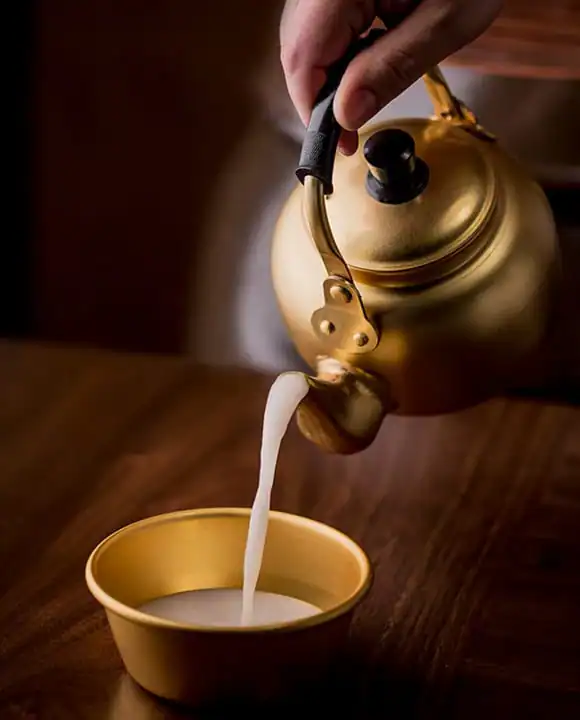
Makgeolli – derived from the words ‘mak’ (막- just now), ‘georeu’ (from georeuda 거르다– to filter) and ‘ii’ (이– subject particle) , is a freshly filtered alcohol. It is South Korea’s iconic milky rice wine that has a cloudy texture, off-white colour and a chalky sediment. This traditional alcohol offers a unique flavour palette that is slightly sweet and mildly tangy. It only has around 6-8% alcohol making it a refreshing low-medium proof beverage and not a hard liquor.
India’s hidden Makgeolli
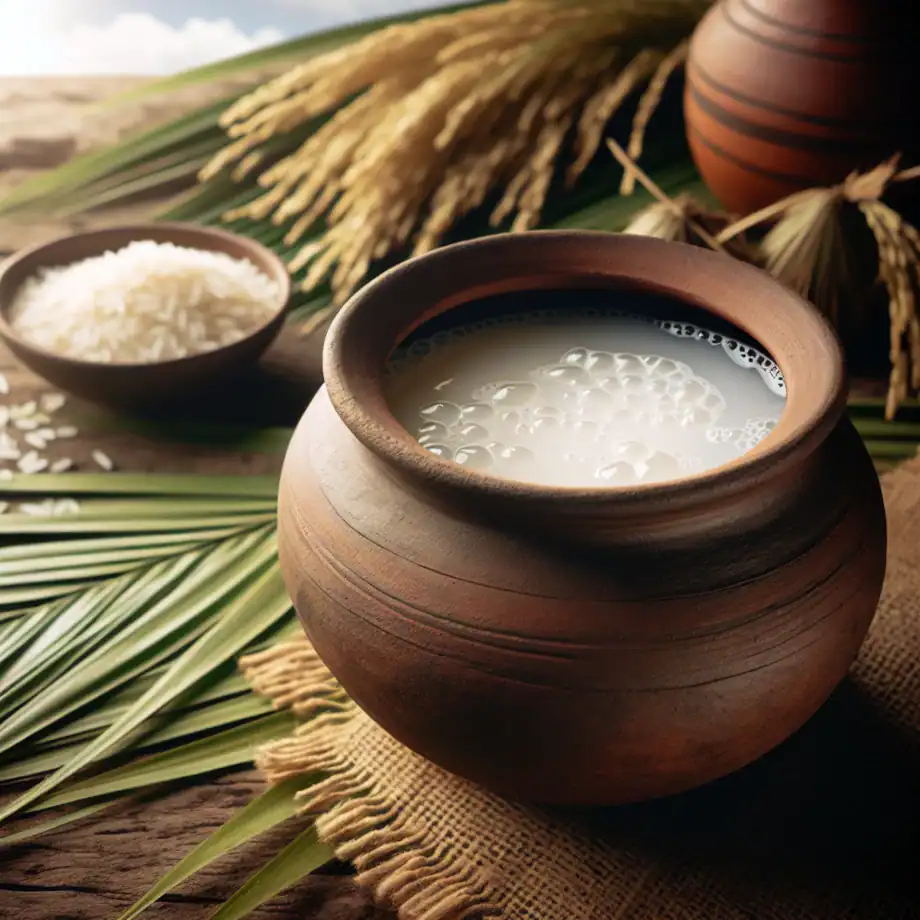
Across India, traditional grain-fermented alcoholic drinks closely represent East-Asian ferments. However, Handia, majorly from Jharkhand and parts of Orissa, is one of the closest counterparts to Korean Makgeolli. Handia gets its name from ‘handi’ (ହାଣ୍ଡି– the earthen pot) in which it is traditionally fermented. It is a white and subtly viscous rice wine that offers a mild earthy aroma with a gentle tang and takes the flavour of its ingredients along with the earthen pot. Its alcohol content can vary widely, ranging from 1-10%, depending on the preparation, also making it a low-alcohol, easy-to-consume beverage suitable for repeated and non-intoxicating drinking.
The Making
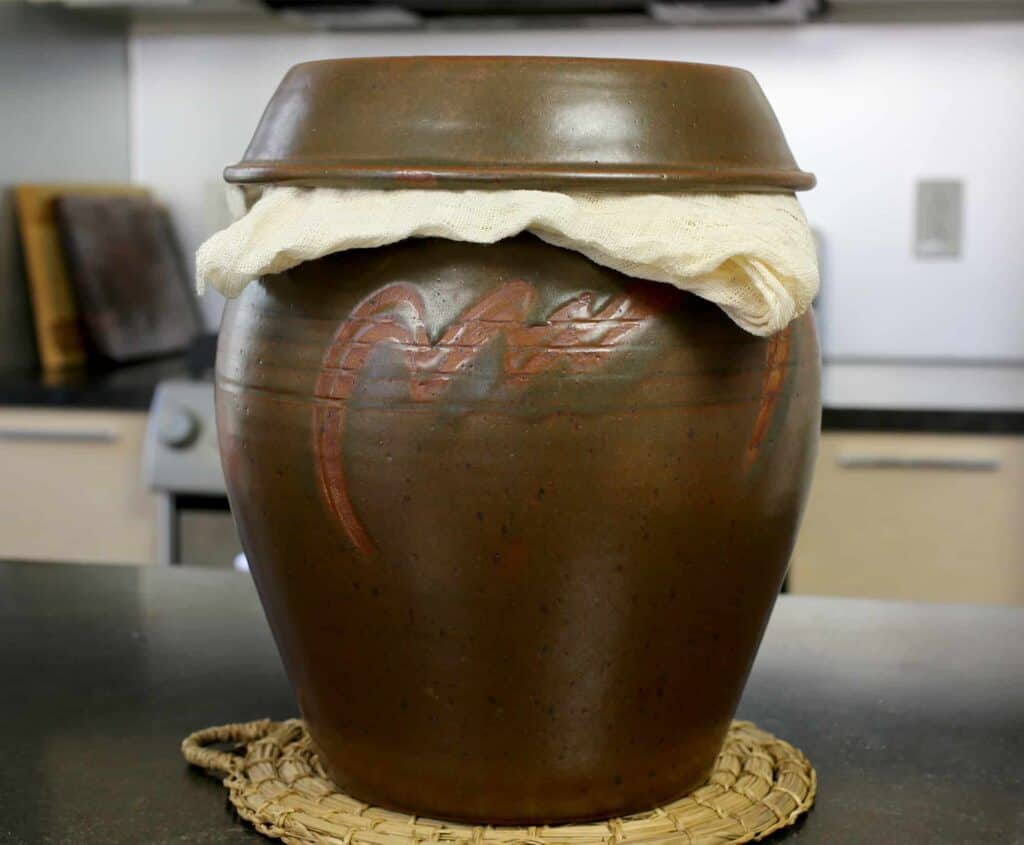
Korean traditional Makgeolli is crafted by fermenting steamed rice with ‘nuruk’ (누룩- a natural fermentation starter) in water, sometimes enhanced with herbs, fruits or flowers for added aroma. Usually ‘chapssal’ (찹쌀- short-grain sticky rice) or ‘maepssal’ (멥쌀-short-grain non-sticky rice)are the rice varieties used to make makgeolli. This mixture is left to ferment in ‘onggi’ (옹기-the earthenware jars) for about a week. These jars are the same in which fermented staple of Korea – ‘Kimchi’ (김치) is made. After fermenting for about a week, it is ready to be consumed which is usually served chilled, in a bowl. It is best consumed fresh within one to two weeks after which it gradually transforms into a tangy rice vinegar.
On the other hand, Handia is the indigenous brew prepared by mixing boiled rice, often parboiled brown rice, with ‘ranu’ (ରେନୁ– a natural fermentation starter) which is crafted from 20-25 medicinal herbs and water. Then the mixture is allowed to ferment naturally in the handi. Handia too, like Makgeolli, gets fermented to consume in about a week, after which it is typically served cool in a bowl.
Wine in the Dine – A context
Makgeolli and Handia share remarkably similar nutritional benefits, both being rich in natural probiotics, antioxidants and essential nutrients derived from fermented rice. Despite originating from different cultures, they are often enjoyed during similar community gatherings and festive occasions.
Traditionally enjoyed on rainy days, Makgeolli is also served at weddings and after long hours of physical labour, earning its reputation as farmer’s wine, attributing to its affordability and popularity among working communities.
Handia, also a cultural staple, is valued for aiding digestion in cases of dysentery or colic, and help relieve dehydration. It is also offered to deities and community spirits, and served during marriages, feasts and social rituals often.
Makgeolli and its distant Indian cousins
India is also home to multiple other rice-based ferments that share few similarities with Makgeolli, such as:
- Apong (from Assam, uses E’pop) — rice beer filtered through bamboo, naturally fermented.
- Zutho (from Nagaland, uses Emao) — tangy, semi-sweet, Makgeolli-like mouthfeel.
- Xaj (from Assam, uses Thap) — aromatic rice mead-style beverage with herbs.
- Chhang (from around the Himalayas, uses Phab/Marcha) — brewed with millet or barley, warm and cereal-like but conceptually similar.
All these brews use natural fermentation starters, just like Korea’s nuruk.
Summarised Differences and Similarities
Table 1: Differences (Makgeolli vs Handia)
| Aspect | Makgeolli (Korea) | Handia (India – Jharkhand/Odisha) |
| Fermentation Starter | Uses Nuruk (wheat/rice cake with wild microbes) | Uses Ranu tablets (herbs + rice + local microbes) |
| Taste Profile | Mildly sweet, tangy, lightly fizzy | Earthy, mildly sweet, thicker, less tangy |
| Cultural Setting | Widely consumed, commercialized, trendy in bars | Mostly homemade, community drink, minimally commercial |
Table 2: Similarities (Makgeolli & Handia)
| Category | Similarity |
| Base Ingredient | Both made primarily from rice |
| Cloudy Appearance | Both are milky/opaque due to rice sediment |
| Low Alcohol Content | Naturally low to moderate |
| Natural Fermentation | Use wild microbes from local starters |
| Probiotic Nature | Rich in beneficial bacteria |
| Cultural Role | Used in festivals, gatherings, and community traditions |
The Cultural-Culinary link – A parallel evolution
Though separated by geography, history and many other factors, India and Korea independently developed remarkably similar fermentation traditions. The following factors help explain the shared similarities:
- Rice as a shared staple: The heavy reliance on rice by both the regions, makes it a natural choice of inclination for fermenting wines and drafting beers, in comparison to other cereal based spirits.
- Fermentation as preservation: Before refrigeration, communities in both the regions used ancient fermentation methods to preserve grains and create safe, long-lasting beverages.
- Microbes shaping flavour: Traditional brews in both cultures depend on yeast and bacteria that naturally influence the texture, aroma and texture of the drink based on their environmental growth.
- Agrarian society and communal drinking traditions: Both regions historically being highly dependent on farming communities paved way to communal harvest celebrations, rituals and social bonding around it, which often involved sharing homemade fermented drinks.
Conclusion
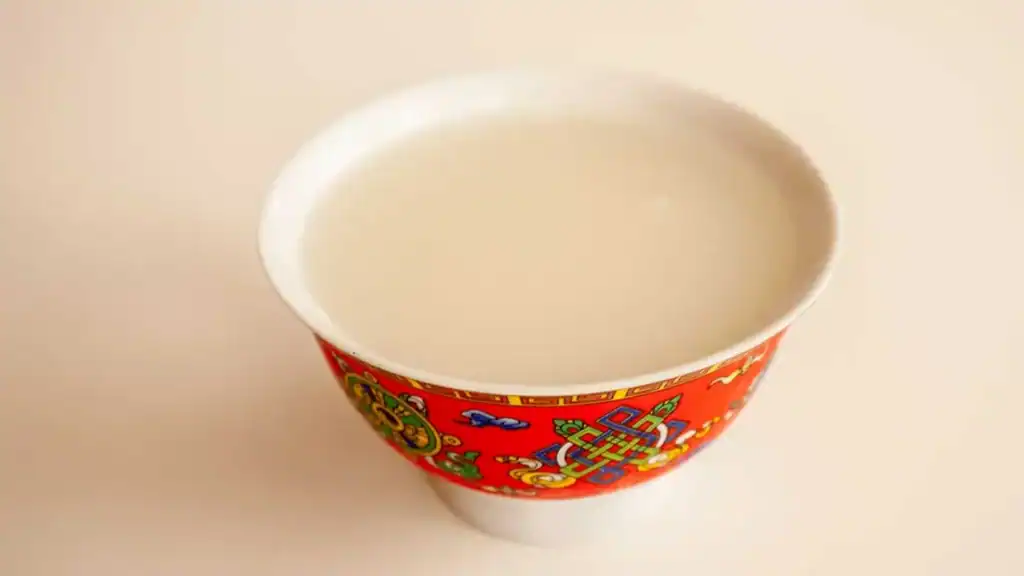
The uncanny resemblance between Makgeolli and Indian rice brews, shows that boundaries are no barrier to shared culinary ingenuity. Across the continents people have nurtured a common love for flavour and a way to bring communities together. Understanding these parallel brews reveals but one thing: humans, regardless of geography, ferment in harmony.
Written by – Sowmya Omkar

About the author –
Sowmya Omkar is a passionate polyglot and linguistics enthusiast whose love for Asian languages – especially Korean – naturally expanded into a deep curiosity for culture behind them. Her creative spirit and interest in linguistics inspire her to write about how cultural nuances and subtleties of a language combine to make this world a complex yet fascinating and diverse yet inclusive place. Blending creativity with cultural exploration she aims to write articles that highlight Korea – its language, traditions and stories that make it unique.