
South Korea is widely recognized as the global capital of esports. What began as a niche hobby has grown into a cultural phenomenon that influences entertainment, youth identity and even national pride. In Korea, esports is not just about playing games — it is a professional industry, a spectator sport and a social space.The foundation of Korea’s esports culture was laid in the late 1990s with the rise of PC bangs, internet cafés that offered affordable access to high-speed internet. These spaces quickly became social hubs where young people gathered to play games like StarCraft, a title that would later define Korea’s early dominance in competitive gaming. Television broadcasts of professional matches soon followed, turning gamers into celebrities.
One game in particular, StarCraft, played a defining role in shaping Korean esports. Competitive matches began airing on television in the early 2000s, drawing large audiences and turning skilled players into national celebrities. Dedicated esports channels emerged, professional teams formed, and sponsorships from major corporations followed. For the first time, gamers were recognized as athletes, training rigorously and competing under formal league systems.
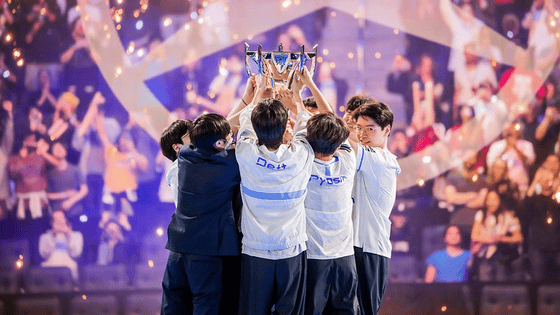
Today, Korea’s esports ecosystem resembles that of traditional professional sports. Top teams operate from training houses where players practice for up to 10 to 12 hours a day. Coaches, analysts, psychologists and physical trainers work together to improve performance. Leagues such as the League of Legends Champions Korea (LCK), Overwatch Champions Series Korea and Valorant Champions Tour Korea attract millions of viewers domestically and internationally. Matches are held in packed arenas, with fans cheering, waving light sticks and wearing team merchandise.
Esports in Korea is also deeply tied to youth culture. For many young people, gaming serves as a space for connection, stress relief and self-expression in a society known for intense academic and career pressure. While becoming a professional player is highly competitive and only achievable for a small minority, esports has created a wide range of related career opportunities. These include game development, broadcasting, event production, coaching, marketing and content creation.
Beyond its domestic impact, Korean esports has become a powerful cultural export. Korean teams and players consistently dominate international tournaments, setting global standards for skill, strategy and discipline. This success has helped shape the way esports is played and understood worldwide. Much like K-pop and Korean dramas, esports has become another pillar of Korea’s global cultural influence, often referred to as part of the broader Hallyu, or Korean Wave.
However, behind the glamour and success, the industry also faces serious challenges. The demanding training schedules and high expectations placed on players have raised concerns about burnout, mental health and short career spans. Many professional players retire in their early to mid-20s, prompting discussions about long-term support, education and post-retirement careers. In recent years, teams and organizations have begun addressing these issues by introducing mental health support and more balanced training systems.
The Korean government has also recognized esports as an important cultural and economic sector. Esports is officially classified as a sport in Korea, and policies have been introduced to support its growth, regulate player contracts and promote fair competition. Universities now offer esports-related programs, and high schools are beginning to include esports clubs and specialized training courses.
Ultimately, Korea’s esports culture reflects the country itself: highly competitive, technologically advanced and constantly evolving. It highlights how digital spaces can become meaningful cultural arenas where identity, ambition and community intersect. For the world, Korea’s esports scene offers a glimpse into the future of entertainment — one where gaming is not just play, but a serious and influential cultural force.
E-sports in Korea isn’t just a game—it’s a culture.
Since the early 2000s, South Korea has led the global e-sports revolution, turning competitive gaming into a billion-dollar industry and national pastime. With pro gamers treated like celebrities and tournaments filling entire stadiums, Korea set the standard for what e-sports could be.With over 33 million gamers and high-speed infrastructure, PC bangs act as community hubs where many, including 44% of League of Legends players, gather to train and socialize. Today, esports athletes in Korea train under strict schedules similar to traditional sports players. Professional teams provide coaching, fitness programs, mental health support, and media training. Matches are broadcast on major television networks and streamed globally, drawing millions of viewers.
Government and corporate support have also played a major role. Esports is officially recognized as a sport in Korea, with structured leagues, regulations, and international tournaments. Major companies invest heavily in teams and events, further strengthening the industry.
Beyond competition, esports influences fashion, music, and youth culture. Players are treated as celebrities, and major tournaments fill stadiums with cheering fans. For many young Koreans, esports represents ambition, discipline, and new career possibilities.
More than just gaming, Korea’s esports culture reflects the country’s embrace of technology, teamwork, and global connection—making it a powerful cultural force with lasting impact. Top Korean esports organizations such as T1 and Gen.G are widely recognized as some of the most valuable and influential teams in the global esports industry. Their success on the international stage has helped position South Korea as a powerhouse in competitive gaming. Players like Faker (Lee Sang-hyeok) have become national legends, admired not only for their skill but also for their discipline and longevity. Their popularity has elevated esports to a respected cultural status comparable to traditional sports.
Esports has also become deeply integrated into everyday life in South Korea. Once criticized as an unhealthy pastime, competitive gaming is now viewed as a legitimate and aspirational career path. Surveys regularly show esports player ranking among the most desired future jobs for students, reflecting a major shift in public perception.
Strong corporate investment has been central to this growth. Large companies sponsor teams, build training facilities, and support leagues, while partnerships with music, entertainment, and sports industries have further expanded esports’ influence. Despite this success, the competitive environment remains intense. Only a small percentage of academy players reach professional leagues, and the physical and mental demands often result in short careers, with many players retiring before the age of 26.
South Korea’s esports culture represents far more than competitive gaming. It reflects the country’s embrace of technology, discipline, and innovation, supported by strong institutions and widespread social acceptance. While the industry offers global influence, celebrity status, and career opportunities, it also demands intense commitment and comes with significant pressure. As esports continues to evolve, its long-term success will depend on balancing commercial growth with player well-being, sustainability, and meaningful cultural value—ensuring that esports remains a respected and enduring part of Korean society.
Written by – Alimpia Roy
About the Author
Hello, I’m Alimpia Roy, I am from India, Kolkata, West Bengal. I did my bachelors in Political science and international Relations. Besides that, I learn Korean by myself. I am a very big enthusiast of Korea. I love Korean culture,language, food, fashion, beauty- skincare, K-dramas, and obviously Kpop. My passion is writing. I think writing is the only way you can express yourself, let out anything without being judged. I hold interest in Korean media pop culture. I want to do my higher studies there. I want to showcase South Korea through my lens.