
New Year celebrations are weird when you think about it. Same concept fresh start, new beginnings but Korea and India do it so differently that you’d think we’re celebrating completely separate things. And honestly? Both ways have their moments.
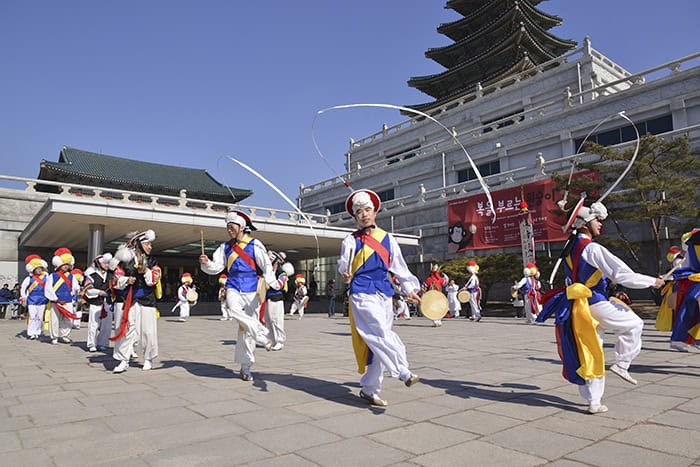
Here’s something that threw me off initially Koreans celebrate New Year twice. There’s the regular January 1st thing that the whole world does. Then there’s Seollal, the Lunar New Year that happens somewhere between late January and early February. Seollal’s the actual big deal though. That’s when Korea basically stops functioning for a few days because everyone’s with family doing traditional stuff.
Meanwhile in India, we’ve got Gudi Padwa if you’re Maharashtrian, Ugadi for folks in Karnataka and Andhra, Pohela Boishakh in Bengal, Vishu in Kerala, Baisakhi up in Punjab. And that’s not even all of them. We don’t have one unified traditional new year date. Each state’s running its own calendar, doing its own thing. Absolute chaos, but the fun kind.
January 1st looks somewhat similar between both countries if you squint. Koreans have countdown events, temple bells ringing there’s this famous Bosingak bell in Seoul that rings 33 times at midnight. Indians in big cities are doing the party circuit clubs, terraces, makeshift Times Squares in Mumbai and Delhi. Everyone stays out late, makes resolutions, forgets those resolutions by mid-January.
But comparing Seollal to our regional new years? Now that’s where things get really different.
Seollal means going home. Not “maybe I’ll visit” but “absolutely must go home.” The entire country migrates to hometowns. I’ve seen videos of the highway traffic it’s genuinely insane. Everyone’s traveling because missing Seollal with family just doesn’t happen for most Koreans. It’s like our Diwali situation but somehow even more intense.
They’ve got these set rituals. Charye is this whole ancestral worship thing where families prepare specific foods for deceased ancestors. Everyone pulls out their hanboks traditional Korean outfits that honestly look stunning. Kids do these deep bows to elders called sebae, and then they get money. Everything’s pretty structured, pretty organized.
Our new year celebrations? Man, they’re all over the place. Gudi Padwa has those decorated poles outside houses. Ugadi involves eating pachadi, which is deliberately six different tastes because it represents how life has everything sweet, sour, bitter, all of it. Vishu is about seeing specific auspicious things first thing when you wake up. Every celebration’s doing its own unique thing.
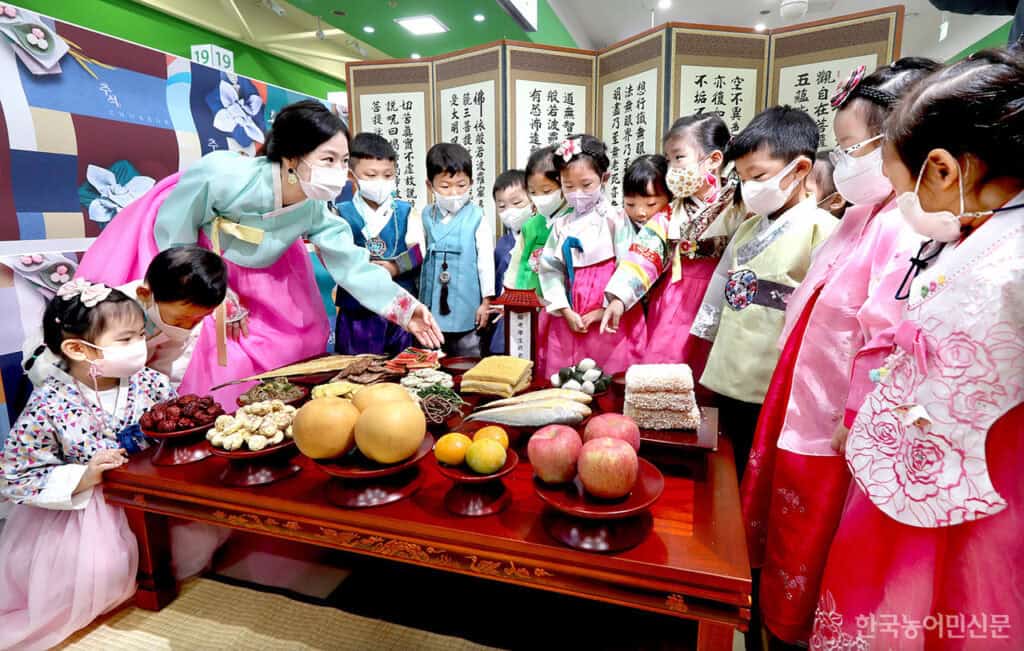
Food becomes this whole production in both places. Koreans make tteokguk rice cake soup that you have to eat on Seollal. Apparently you don’t officially age another year until you’ve had it. The rice cakes are sliced into coin shapes for prosperity. Then there’s jeon, galbi, various banchan. Big feast, but pretty much everyone across Korea’s eating similar stuff.
Indian new year food though? Completely depends on your zip code. Puran poli in Maharashtra, holige in Karnataka, various Bengali sweets, kada prasad in Punjab. There’s no standard “Indian new year meal” because honestly, there’s no standard Indian new year. The variety is kind of mind-blowing.
Games are different too. Koreans play these traditional games during Seollal yutnori with sticks and a board, jegichagi which is basically Korean hacky sack, neolttwigi that’s like a seesaw. Multiple generations sitting around, playing games that are centuries old. It’s got that wholesome family vibe.
Indian new years? Again, totally depends. Temple visits in some places, rangoli competitions elsewhere, regional folk dances. Baisakhi has bhangra energy. Vishu’s more low-key with temple prayers. No unified “this is the activity” happening across the country.
What strikes me about Korean New Year is how unified it feels. Everyone’s wearing hanbok, eating tteokguk, doing sebae bows, playing similar games. There’s something comforting about that knowing millions of people are doing the exact same thing you are right now.
India’s the complete opposite. We’re fragmented but in this beautiful way. No singular shared experience, but instead this crazy mix of different traditions at different times. Your friend’s doing Gudi Padwa while your colleague’s waiting for Pohela Boishakh and your neighbor’s planning Baisakhi festivities.
Even January 1st sits differently in both places. For Koreans, it matters, but Seollal’s still got more emotional weight. They celebrate both but Seollal’s the priority. In India? January 1st has gotten huge in cities probably bigger than some traditional new years for young people but it just adds to our collection rather than replacing anything.
The why behind celebrations matters too. Seollal’s rooted in Confucian stuff respecting elders, honoring ancestors, family hierarchy. The rituals show that. Indian new years connect more to harvest cycles, astronomy, mythology. Different foundations creating different vibes.
Both are changing though. Some young Koreans skip going home now, travel abroad during Seollal instead. Traditions are evolving. In India, people celebrate regional new years in cities far from home, adapting everything to apartment living and smaller families.
Can’t really say one’s better than the other. Korea’s got that beautiful uniformity everyone united in identical traditions. India’s got wild diversity multiple new years, each with completely different meanings and practices.
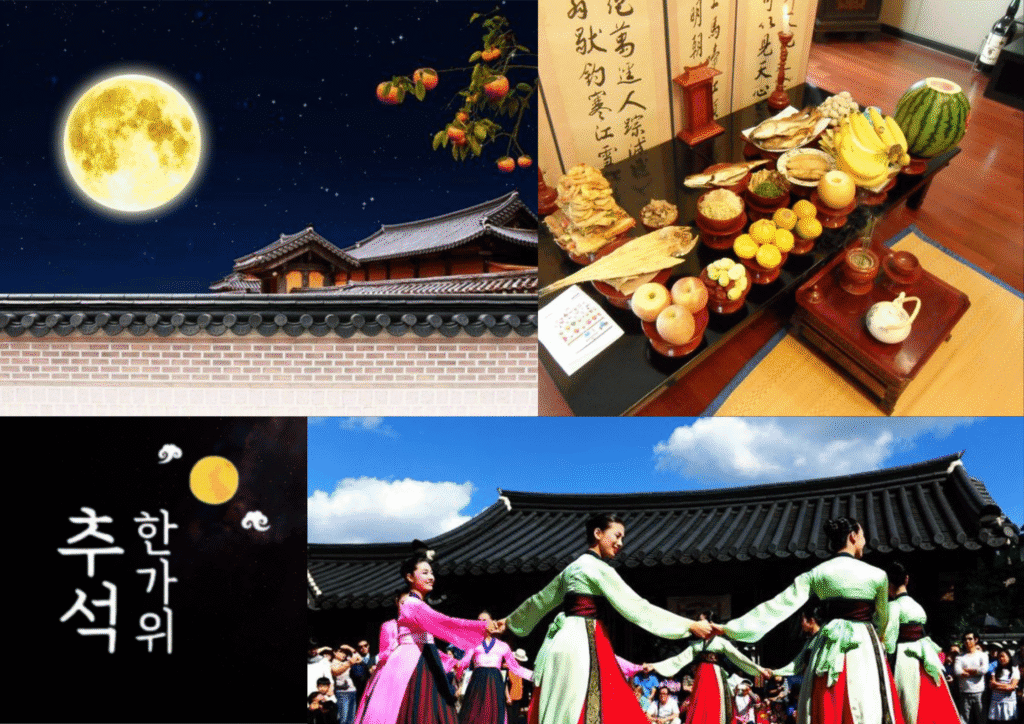
I find both pretty cool honestly. Korea’s unified celebration where the whole country’s doing the same thing together? That’s powerful. But India’s approach where you get multiple fresh starts throughout the year? Also not terrible.
Maybe there’s no right way to celebrate new beginnings. Unified or diverse, structured or chaotic we’re all just marking time passing and hoping the next cycle’s better. That part’s universal, even if everything else about how we do it is totally different.
Written by – Kimaya Ambekar
About the author: Hello! I am Kimaya. I’m someone who enjoys capturing ideas and moments through writing. I love exploring new topics, learning something interesting, and turning it into a clear, enjoyable read. Writing lets me express myself and share things in a way that feels natural and fun.