
Evolving from Cash to contactless fare collection, Seoul’s Smart card revamped the city’s transit.Over three decades,what began as a solution to long queues became the backbone of real-time transport planning and it evolved into an integrated smartcard platform supported by T-money, shaping mobility, payment, and urban planning.
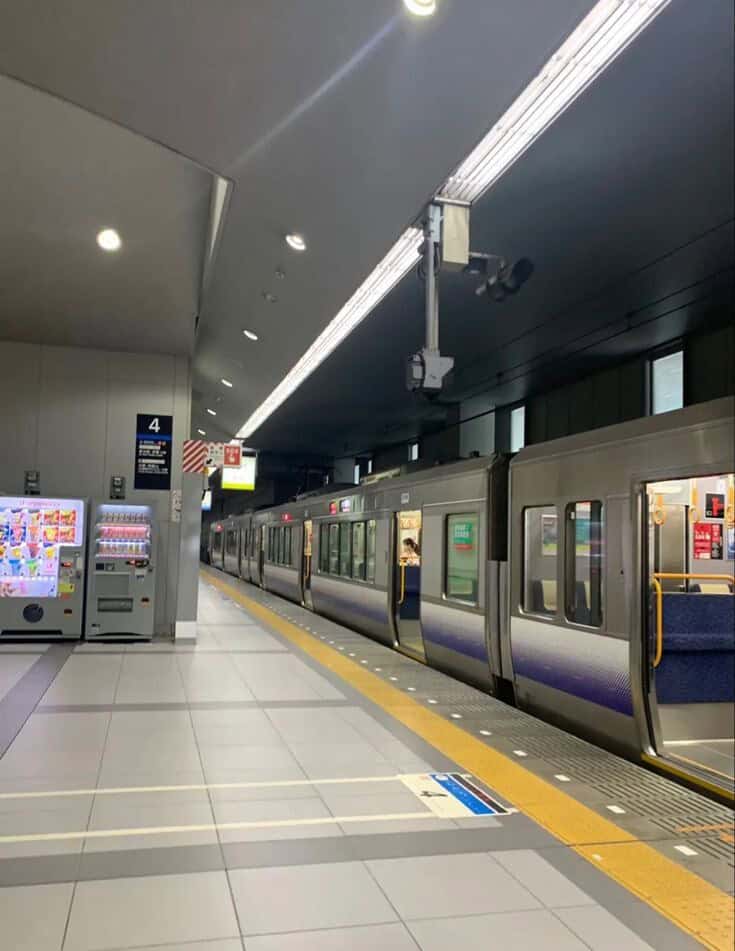
Pre and Post Smart Card Era:
Before this Smart card, Seoul’s transport system still revolved around cash, paper tickets, and driver-managed fare boxes, which meant long dwell times, disputes over charges, and poor visibility into how the network truly operated. The launch of the Seoul Transportation Card in the mid-1990s turned that messy choreography into a half-second gesture at the door.
Technological Alchemy: Taps into Data Flows
Every tap of this Smart card is a micro-signal, recording time, location, and stage of journey. This information flow turned operational invisibility into a real-time feedback loop for urban planning. Route redeployments are now based on actual empirical tap data, rather than anecdotal observation. T-money extended the card’s utility to retail, tolls, and bike hires, embedding the transit card’s logic into the broader, frictionless street-level economy.
Smart card as Urban Sensor Network:
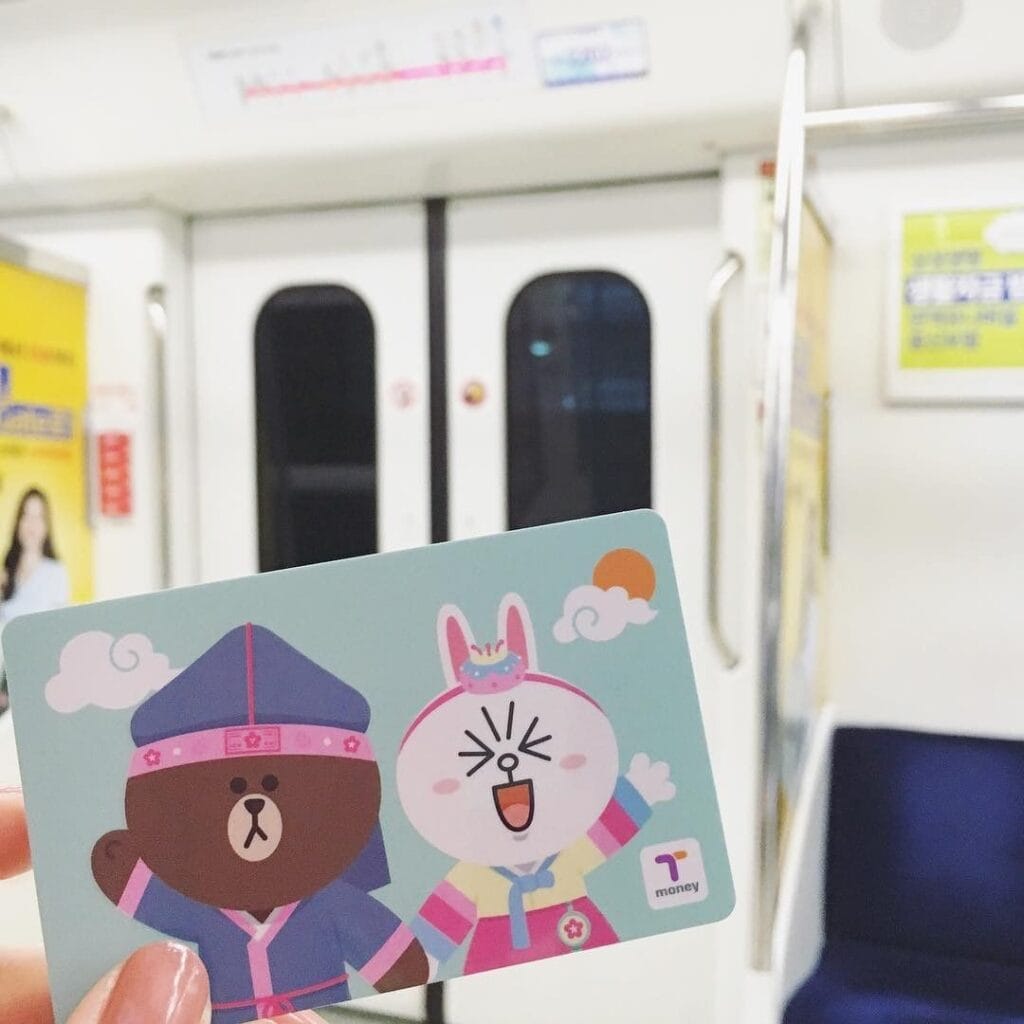
Better to think of Seoul’s system as a city-scale sensor network because every entry gate of bus,train and subway is a data node that collects information revealing not just where people go, but their mode-committed and price-sensitive decisions.
During major events, such as COVID-19, these tap logs provided instant insight into shifting demand, helping planners make rapid, risk-managed interventions. The distinction between payment and sensing is now completely blurred, where planners can visualize aggregate demand and respond as synchronized “waves” across the urban arteries.
Impact on Society and Institutions
This Smart card created more than a new way of paying; it created new social norms around quick, orderly boarding and alighting. Its tap-to-pay rhythm has become embedded in civic etiquette. Institutionally, the card data drove the shift from construction-centric planning to data-centric governance. Senior passes, fare discounts and targeted promotions can now be precisely modeled and implemented.
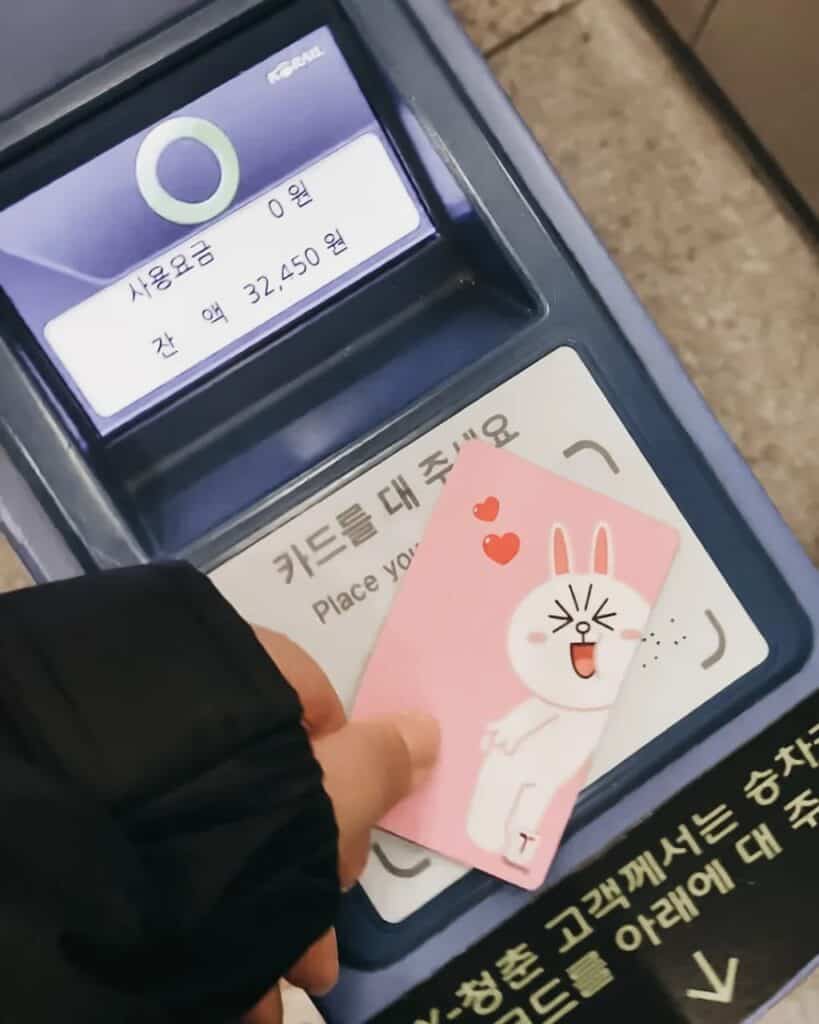
The contactless gesture now forms the pulse of a feedback system operational at the scale of Seoul, ensuring that city infrastructure develops in direct synchrony with the millions of micro-signals produced every day by its citizens.
Written by – Pallabi Dey

About the author –
As a part of this dynamic world, I am a tech explorer who is fueled not just by curiosity for code but also by diversified culture, cuisines, and flavors that paint our world. I also love writing content, painting and learning different languages that let me delve deep into the captivating aspects of cross-culturalism.