
From a mother’s quiet love to a social media sensation, the Korean lunchbox is a portable masterpiece of balance, care, and culinary identity.
Introduction: A Love Letter in Layers
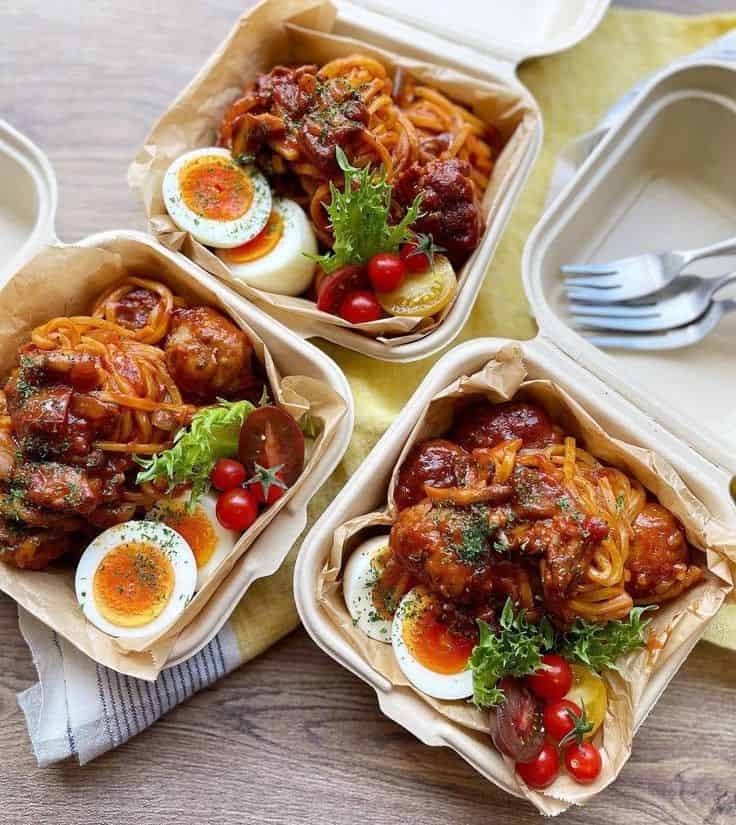
In the quiet early hours, a kitchen light flickers on. The sounds are methodical: the hiss of a pan, the rhythmic chop of a knife, the soft click of a Tupperware lid. This is the making of a Dosirak(도시락), the Korean lunchbox. More than a mere container of food, it is a profound cultural artifact. It is a parent’s unspoken “I love you” packed for a child’s school trip, a spouse’s quiet support for a partner’s long workday, and now, a canvas for culinary artistry that floods social media feeds. It is where nutrition meets emotion, and tradition meets obsessive aesthetic perfection.
Chapter 1: The Foundations – The Philosophy of a Balanced Box
The ideal dosirak is a microcosm of the Korean meal itself, governed by the principle of “bapsang charye” (the arrangement of a meal table).
The Essential Framework:
1. Bap (밥): The heart. Steamed rice, often subtly seasoned or mixed with grains like barley, black rice, or beans for nutrition and color.
2. Guk (국): The soul. A soup or stew, like doenjang jjigae or miyeokguk, is packed in a separate, leak-proof container to preserve its heat and texture.
3. Banchan (반찬): The personality. An array of 3-5 side dishes providing contrast in flavor, texture, and color. This is where creativity shines.
4. Gogi (고기) or Jan (잡): The strength. A main protein, such as grilled galbi, fried mandu, or a rolled egg omelet (계란말이).
The magic is in the balance, a harmony of salty, sweet, sour, spicy, and umami, of soft and crunchy, hot and cold.
Chapter 2: The Aesthetic Revolution – #Dosirak on Instagram
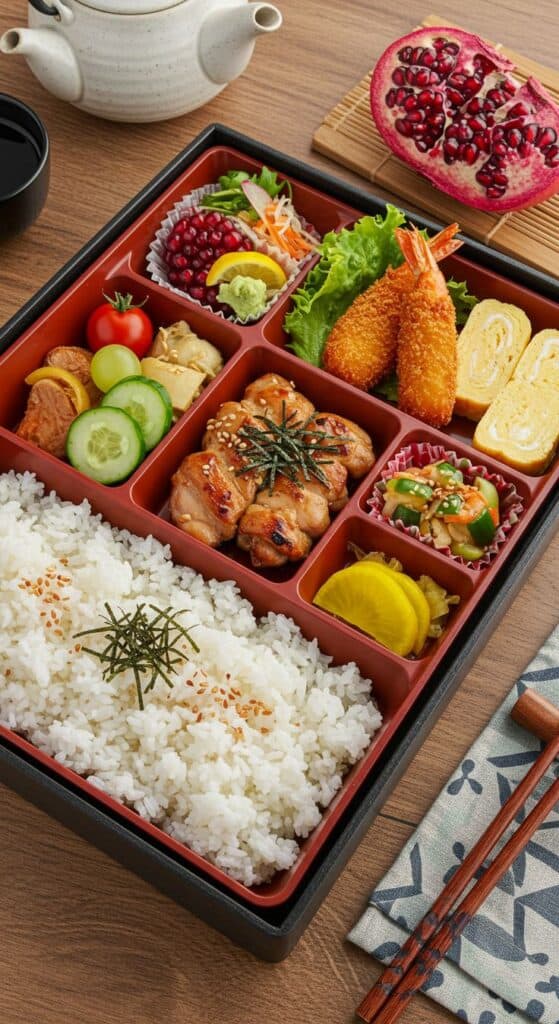
The rise of social media has transformed the dosirak from a private gesture into public art. The trend is characterized by:
- Minimalist Perfection: Monochromatic schemes (all white rice, beige proteins, green veggies) arranged with Japanese bento-inspired precision.
- Puns and Characters: Rice molded into cartoon characters, seaweed used to create facial features on omelets, creating a playful “Onggi-dosirak” (cute lunchbox).
- The “Mukbang” Adjacent: Lavish, overflowing dosirak designed to be filmed while unpacking, catering to the visual appetite of viewers.
This digital stage has professionalized the craft, but also raised the pressure on everyday parents, sparking the term “Dosirak Stress.”
Chapter 3: The Rituals of Consumption – Where and How to Eat
The where defines the how.
- At School: Devoured in a loud cafeteria, often swapped with friends. The “Matjip Dosirak” (the “tastiest lunchbox”) earns social capital.
- At the Office: Eaten at one’s desk (“desk-chop”) or in a communal break room. A beautifully made dosirak can be a quiet status symbol.
- In Nature: The pinnacle of dosirak experience is the “Yechul Dosirak” (picnic lunchbox). Eaten on a mountain hike or under cherry blossoms, the food tastes infinitely better, wrapped in the context of leisure and shared experience.
Chapter 4: The Modern Evolution – Dosirak in a Changing Society
- The Solo Economy: With the rise of single-person households, supermarkets now sell single-serving banchan and ready-to-pack components. The dosirak is no longer just an expression of care for someone; it’s an act of self-care.
- High-End Deliveries: Gourmet subscription services deliver weekly dosirak with chef-designed menus, targeting health-conscious professionals.
- The Eco-Dosirak: A move away from disposable containers toward stylish, reusable stainless steel or glass “Multi-dosirak” with multiple compartments, reflecting environmental awareness.
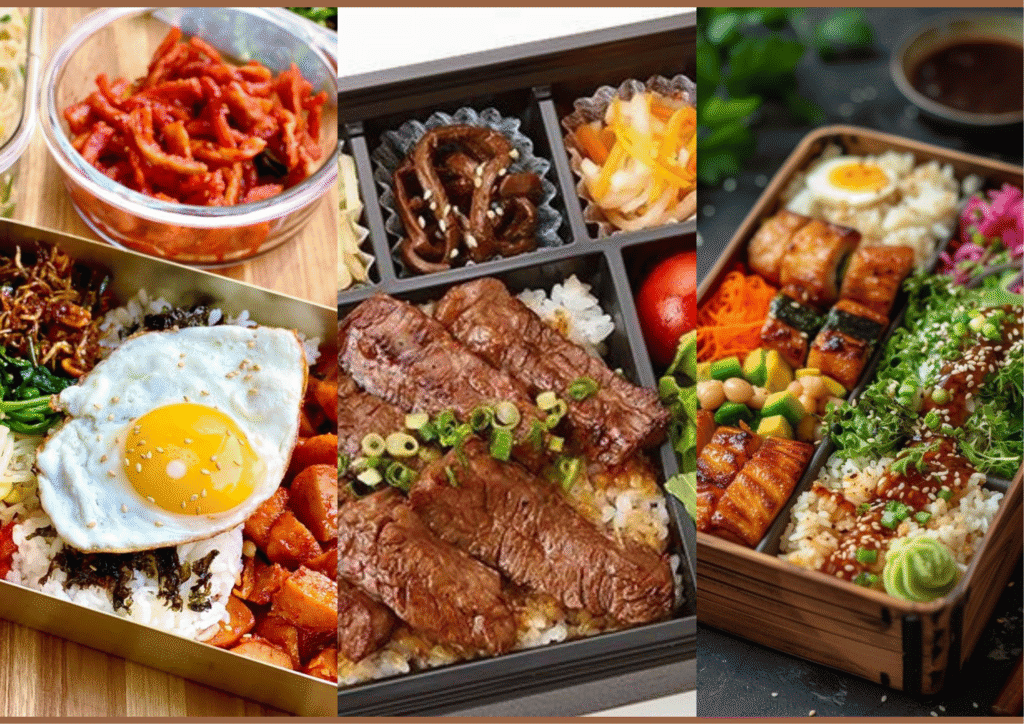
Chapter 5: The Cultural Weight – More Than Just Lunch
Ultimately, the dosirak carries a profound symbolic burden. It is:
- A Measure of Love: In a culture where direct affection can be restrained, the effort in a dosirak is a tangible metric of care.
- A Gauge of Health: “Did you eat well?” is a primary expression of concern. A well-packed dosirak is a proxy for overall well-being.
- A Link to Home: For students studying abroad or soldiers on base, a taste of homemade banchan is a direct conduit to home, fighting homesickness one bite at a time.
Conclusion: The Unpacking
To open a dosirak is to begin a story. It’s a story of the hands that made it, the day that awaits, and the culture that insists that even a midday meal must be considered, complete, and kind. In its careful compartments, we find the essence of Korean sensibility: a pursuit of balance, a deep-seated ethos of care, and an unshakeable belief that food is never just food. It is memory, identity, and love, packed neatly to go.
Written by – Trisha Deka
About the Author –

Think of Trisha as your modern-day storyteller for a dynamic culture. She’s got a sharp eye for the moments where tradition and hyper-modernity collide in Korea. One minute, she’s breaking down the latest digital trends from Seoul, and the next, she’s explaining the timeless ritual of a tea ceremony. Her writing is your front-row ticket to understanding not just the “what” of Korean culture, but the “why” that makes it so captivating.