
While bulgogi and galbi reign supreme, a whole world of smoky, sizzling wonders awaits those willing to venture off the beaten path.
Introduction: The Uncharted Territory of Korean Grilling
Step into any Korean barbecue joint worldwide, and you’ll find the same stars: bulgogi, galbi, and samgyeopsal. But in Korea, grilling is an art form that extends far beyond these classics. From rustic market stalls to specialized restaurants, a universe of lesser-known grilled delicacies offers deeper insight into Korea’s culinary soul, one where fire, smoke, and ingenuity transform humble ingredients into unforgettable meals.
1. Gopchang (곱창): The Ultimate Comfort-in-a-Bite
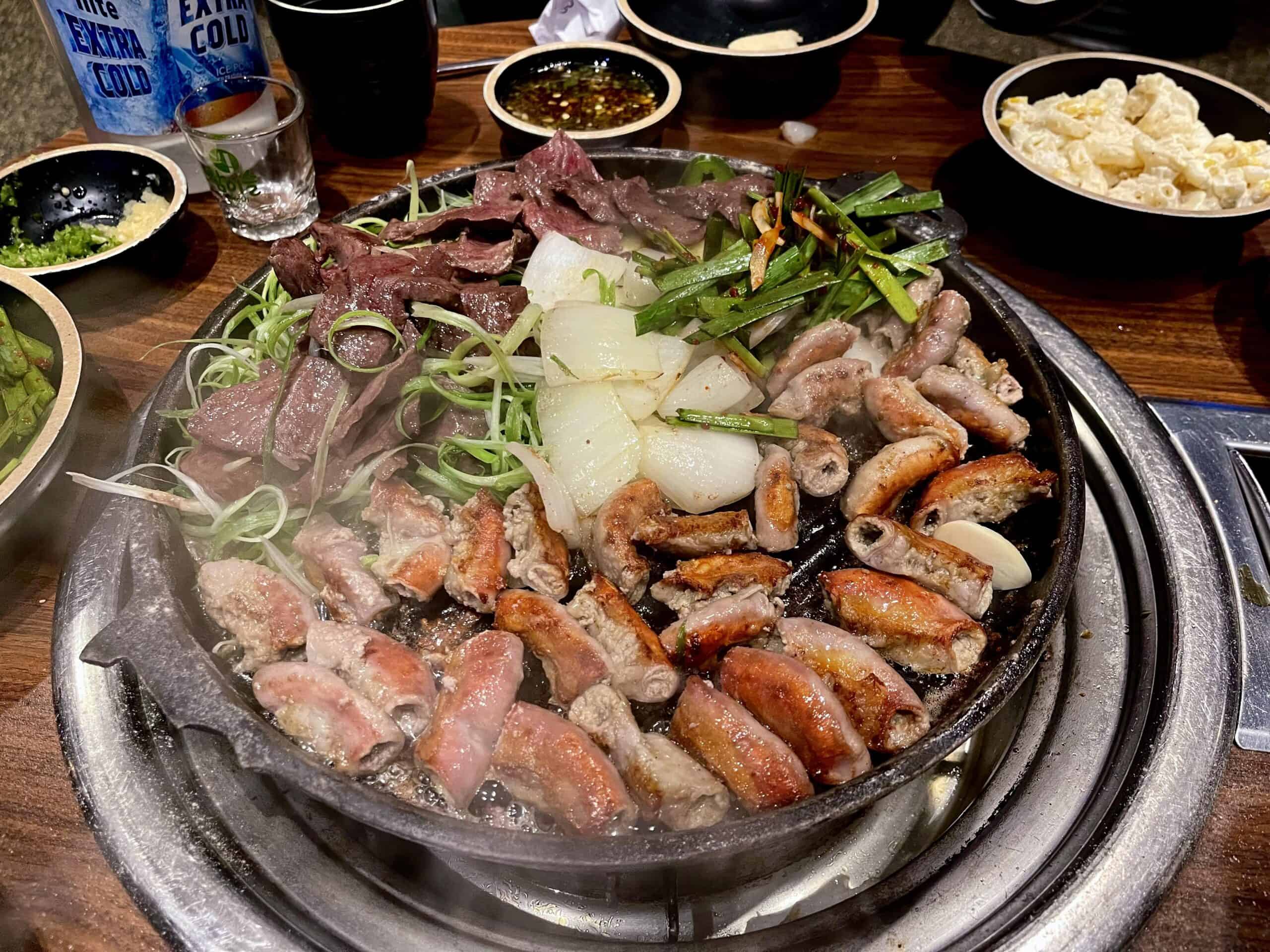
What it is: Not for the faint of heart, gopchang is grilled beef or pork intestines. It’s beloved for its rich, buttery flavor and satisfyingly chewy texture.
The Experience: At a gopchang restaurant, the intestines arrive coiled like ribbon. They sizzle violently on a dome-shaped grill, their fats rendering into crispy, golden-brown morsels.
How to eat it: Dip in a salt-sesame oil mix or wrap in fresh perilla leaves with raw garlic, kimchi, and a dab of ssamjang.
Where to find it: Mapo-gu in Seoul is famous for its Mapo Gopchang street, but you’ll find excellent spots near universities and local markets nationwide.
Why it’s special: Gopchang is considered a drinking food, perfect with soju. Its distinct texture and umami-rich flavor make it a cult favorite.
2. Dak-galbi (닭갈비): The Social Griller’s Feast
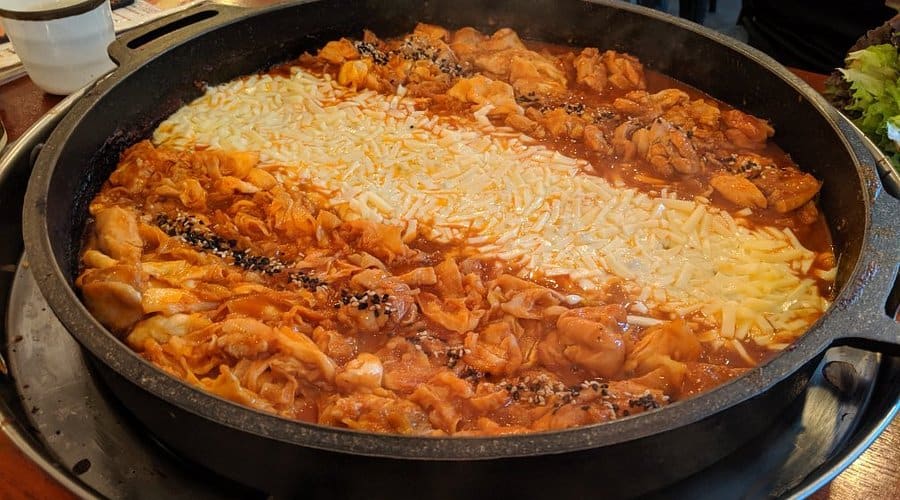
What it is: Despite “galbi” in its name, this is not ribs; it’s a fiery, communal stir-grill of marinated chicken, cabbage, sweet potato, tteok (rice cakes), and perilla leaves.
The Experience: Cooked in a giant pan at your table, dak-galbi is a participatory event. As it cooks, the gochujang-based marinade caramelizes, creating a sweet and spicy crust on the chicken and rice cakes.
The grand finale: After most of it is eaten, many places will fry rice in the remaining sauce and bits at the bottom of the pan, creating a crispy, flavorful bokkeum-bap.
Where to find it: Chuncheon, the birthplace of dak-galbi, is the pilgrimage site, but you’ll find fantastic versions in Hongdae and other trendy neighborhoods.
Why it’s special: It’s a full meal of protein, vegetables, and carbs all cooked together in one glorious, spicy symphony.
3. Samgyeopsal-gui (삼겹살구이)…But Not as You Know It
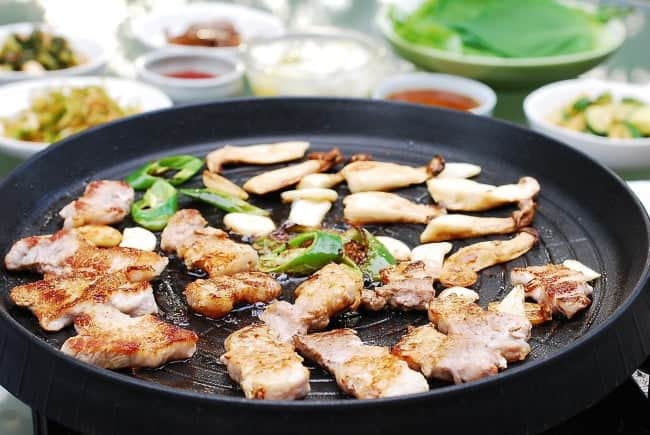
What it is: Yes, you know pork belly. But have you tried its sophisticated cousins?
The Variations:
Heuk-dwaeji (흑돼지): Black pork from Jeju Island, prized for its rich, nutty flavor and superior marbling. It’s so revered that it has its own GI (Geographical Indication) status.
Hang-jeong-sal (항정살): The pork jowl, a beautifully marbled and incredibly tender cut that’s become a connoisseur’s choice.
Ggeop-i (껍이): The skin-on pork belly, which grills up with an irresistible crispy, chewy texture.
Why it’s special: Exploring these premium cuts reveals nuances in flavor and texture that elevate the simple act of grilling pork into a gourmet experience.
4. Eundaegu-gui (은대구구이): Grilled Pollock of the East Sea
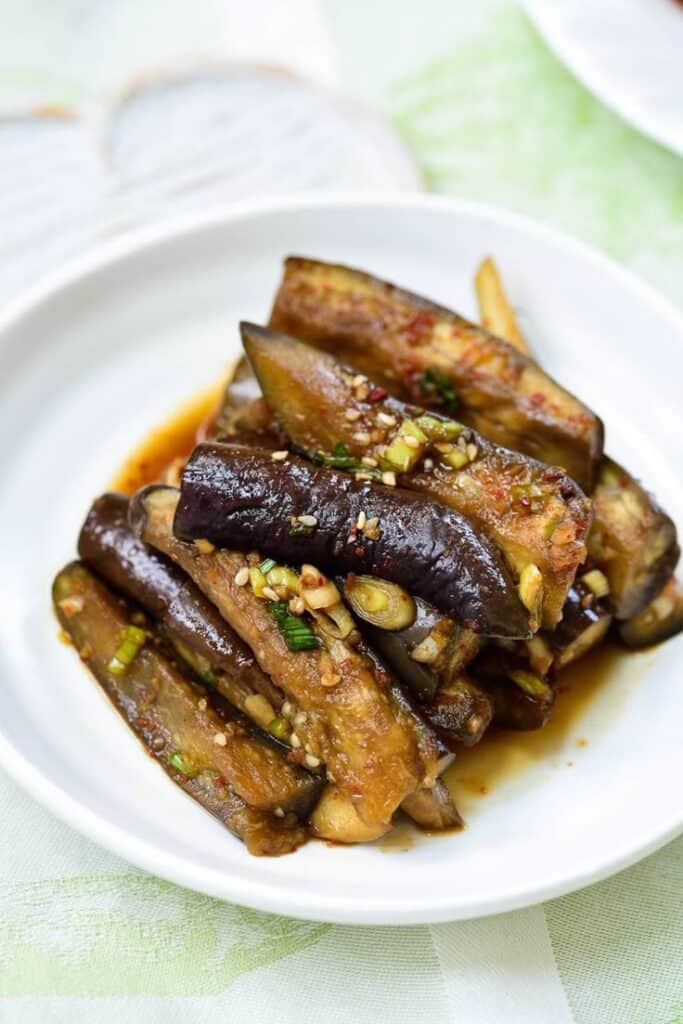
What it is: While Koreans love raw fish, grilled eundaegu (pollock) is a coastal treasure, especially during the winter months.
The Experience:
– The whole fish is grilled until its skin is blistered and crispy, while the flesh inside remains white and flaky.
– It’s typically seasoned with just salt, allowing the clean, slightly sweet flavor of the fish to shine.
How to eat it: Pull off flakes of meat, dip in a spicy chojang sauce, and wrap in a lettuce or perilla leaf.
Where to find it: Sokcho and Gangneung on the East Coast are the best places to enjoy this, often at markets or specialized restaurants with charcoal grills.
Why it’s special: It’s a taste of Korea’s rugged coastline, simple, wholesome, and deeply satisfying.
5. Deodeok-gui (더덕구이): The Grill’s Vegetarian Star
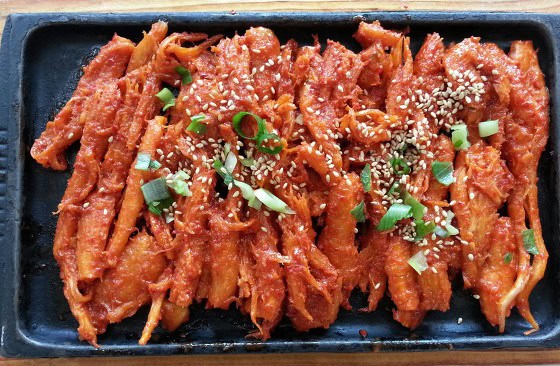
What it is: Proof that Korean grilling isn’t just about meat. Deodeok is a mountain root (lanceleaf) with a distinctive earthy, slightly bitter flavor and a crisp-tender texture.
The Experience:
– The roots are brushed with gochujang or ganjang (soy sauce) marinade and grilled until tender and lightly charred.
– The grilling process softens their fibrousness and brings out a wonderful sweetness.
Where to find it: Look for sanchae(mountain vegetable) restaurants, particularly in mountainous regions like Gangwon-do.
Why it’s special: It’s a fantastic example of Korea’s temple cuisine and foraging traditions, offering a unique, vegetal counterpoint to all the meaty feasts.
6. Jangeo-gui (장어구이): The Summer Stamina Powerhouse
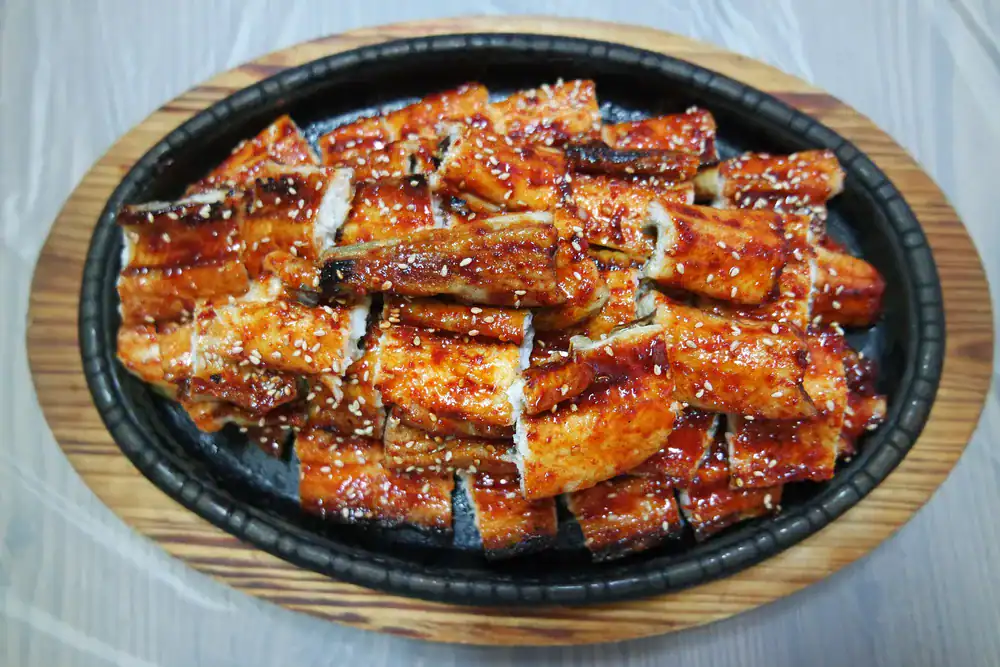
What it is: Grilled freshwater eel, prized for its high nutritional value and rich, fatty flavor.
The Experience:
– The eel is grilled over charcoal and basted with a sweet-spicy sauce made with gochujang, garlic, and ginger.
– The result is a beautiful, glossy piece of eel with crispy skin and meltingly tender flesh.
How to eat it: Wrapped in sesame leaves with sliced raw garlic, shredded ginger, and a bit of ssamjang. It’s famously paired with insam-ju (ginseng wine).
Where to find it: Jangeo centers like Jangeo Street in Gwangju or the Han River’s Jamsil area in Seoul.
Why it’s special: It’s a dish steeped in belief; Koreans eat it during the hottest days of summer for its legendary stamina-boosting properties.
The Adventurer’s Grill Guide: How to Explore
- Visit a Traditional Market: Places like Gwangjang Market or Jagalchi Fish Market have dedicated grill stalls where you can try single servings.
- Learn the Lingo: Don’t be afraid to point at what other tables are eating. The phrase “Igeo juseyo” (This, please) is your best friend.
- Embrace the Sides: These grilled dishes are always served with an array of banchan (side dishes). Use them to create different flavor combinations with every bite.
The True Flavor of Discovery
Moving beyond KBBQ isn’t just about trying new foods; it’s about engaging with Korean culture on a deeper level. It’s in the sizzle of gopchang, the communal stir of dak-galbi, and the simple perfection of grilled mountain roots. These lesser-known gems tell the richer, more diverse story of Korean grilling, inviting you to pull up a chair, grab a pair of scissors, and discover what happens when fire meets fearless culinary creativity.
Written by – Trisha Deka
About the Author –

Think of Trisha as your modern-day storyteller for a dynamic culture. She’s got a sharp eye for the moments where tradition and hyper-modernity collide in Korea. One minute, she’s breaking down the latest digital trends from Seoul, and the next, she’s explaining the timeless ritual of a tea ceremony. Her writing is your front-row ticket to understanding not just the “what” of Korean culture, but the “why” that makes it so captivating.