
1. Overview
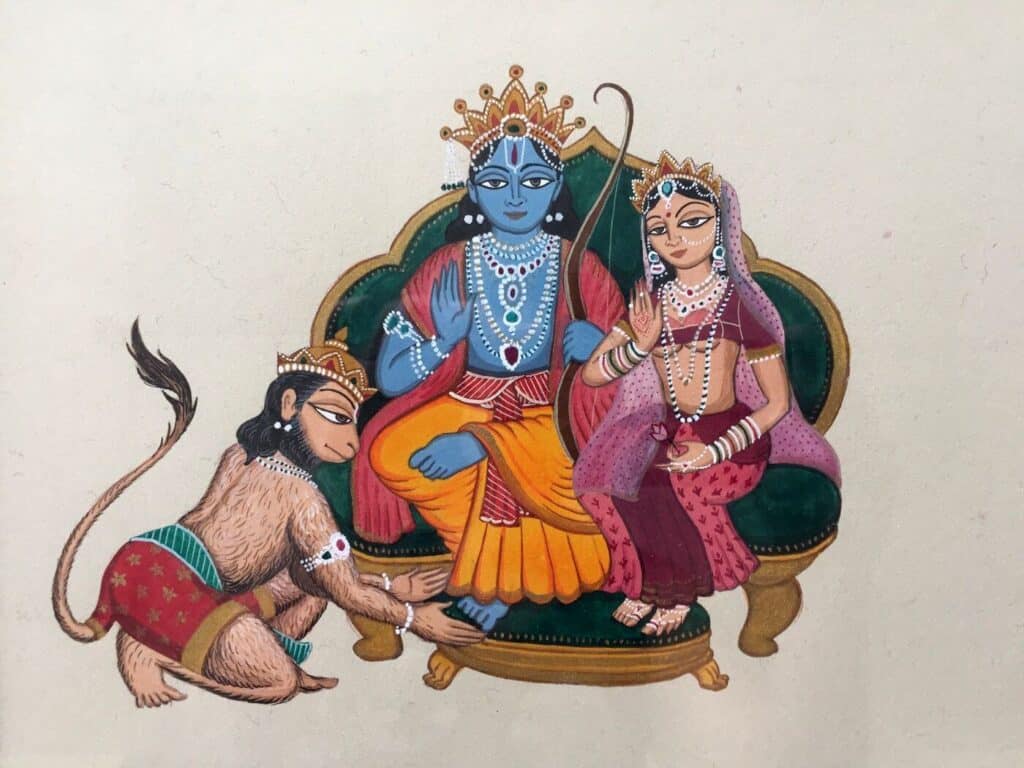
The stories and tales of good over evil are ubiquitous to all cultures of the Earth, and are perdurable throughout the change in time, religion and tradition. Whether it be the story of the ordinary boy David, who defeated the giant Goliath, or Cinderella bringing her evil stepmother to the courts of justice. Especially in Indian literature, we have been familiarized with the stories of Lord Ram, Laxman and Goddess Sita’s defeat of the demon, Ravana as the quintessential example of “good over evil” every Dushhera. However, many of us are least aware of the popular Korean folktale of the brothers, Heungbu and Nolbu. The story, also known as the Heungbu-Jeon (흥부전) is traditionally considered to be passed down orally, originally composed in the late Joseon Dynasty (1392–1897). It is also one of the five pansori or Korean traditional musical storytelling narrative which are still performed today.
2. The Narrative
The story chronicles two brothers, Heungbu and Nolbu, who seemed to live around 200 years ago from the composition of the story. Nolbu was the older brother, known for his heartless and greedy nature, and Heungbu, the older of the two being an idol of humility and empathy. One day, when their father died, Nolbu seized Heungbu’s share of the final will of their father, and ousted Heungbu and his family away from their family home.
One unproductive and unlucky fall with no harvest, the impoverished Heungbu approached his brother’s house for food when his wife was cooking. The cruel wife slapped Heungbu across his cheek with a ladle of rice which caused rice to be stuck to his cheek consequently, which Heungbu fed his children with.
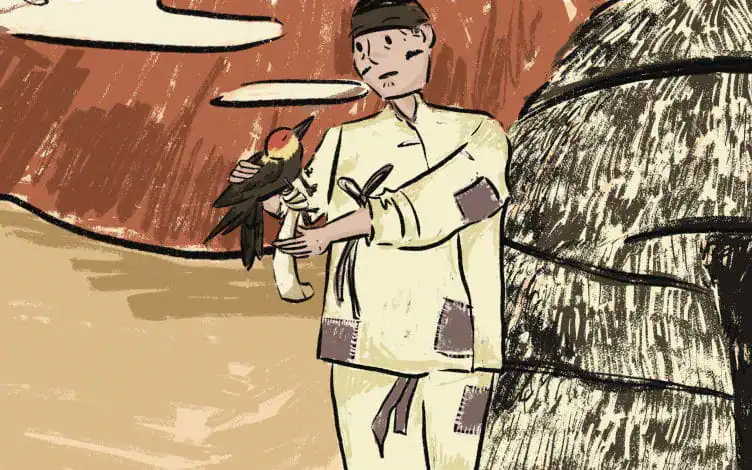
Then another day, Heungbu found a snake inching toward an injured swallow which he rescued and treated. Its leg which was broken, was treated by him until the bird could learn to fly again. After it convalesced, it flew away and returned three days later, the bird gave Heungbu a pumpkin seed. This pumpkin seed changed his and his family’s lives as when the pumpkin seed was reaped, it yielded three huge pumpkins each containing treasure, fine fabric and servants respectively.
The news of Heungbu’s new riches spread which led to Nolbu inquiring his brother as to how he gathered his wealth. Following on his younger brother’s steps, he tried replicating the process, although he evilly broke a swallowed leg himself to raise it to recovery. When a gourd seed fell into Nolbu’s hands he was ecstatic. Three huge gourds appeared, although to his dismay, the first contained dokkaebi (도깨비)—Korean nature deities and spirits—which chided and beat him up for his greed, the second contained debt-collectors demanding money and interest, and the third contained deluge of mud water which flooded his house.
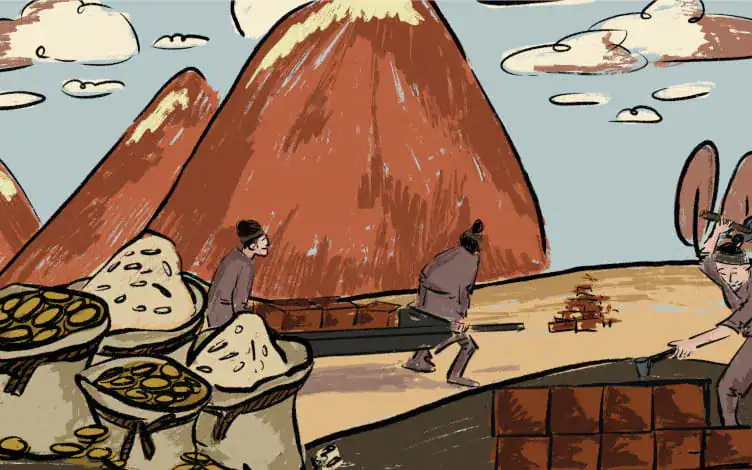
Hence, Nolbu lost everything and his family went to Heungbu’s in realization of his mistakes where they reconciled and lived happily ever after.
3. Brief Analysis
The story follows the typical mobangdam format in Korean literary tradition, wherein one righteous person follows a path to success while the one following suit fails. The narrative is similar to two other literary traditions of the Korean language which are much older: the Story of Bangi (방이 설화) and A Maiden Who Sawed A Gourd (박 타는 처녀) which are stories finding origin in Ancient Silla and Ancient Mongolia respectively which may have influenced the didactic composition of Heungbu-Nolbu.
Although its message is clearly Confucian and emphasizes good will and deed, scholars also say the story has an undercurrent of societal change of Joseon Era Korea—the emergence of a rich low class and poor yangban aristocracy (similar to the Zamindari System in the contemporary India) is disrupting the existing social order and hierarchy.
Written by, Shantanu Dayal Sharan