
The National Health Plan 2030 (HP2030) of South Korea started to be prepared in 2017 and was completed and announced in December 2020. HP2030 establishes 6 divisions and 28 topic areas, and it will continue to expand investments in health with a total budget of 2.5 trillion Korean won and this is the fifth overall comprehensive Health Strategy to date, providing Public Health Policy direction for South Korea from 2021 to 2030. HP2030 focuses on health promotion through Prevention, Health Equity, Functional Capacity and Community Wellness, among other areas. Although there is no specific stand-alone listed program for Physical Therapy within HP2030, the main goals of HP2030 include items related to Functional Independence, Prevention of Chronic Diseases, and Rehabilitation of the Older Adult Population; as such, Physical Therapy plays a role in supporting the achievement of these specific goals and objectives. This manuscript will review the overall intent and structure of HP2030, and will discuss ways that Physical Therapy can be integrated into supporting Mobility, Reducing Disability, Promoting Preventive Care, Integrating Digital technology, and Aligning with Global Health Frameworks (I.e., WHO Rehabilitation 2030 Initiative and UN Sustainable Development Goals).

Introduction
South Korea is going through a period of demographic transformation, with over 20 percent of South Koreans projected to be aged 65 or older by 2025, the country’s rapid demographic transition represents a major challenge for the country’s healthcare system. As more than 20 percent of South Koreans will be aged 65 or older by 2025, this transition will create new challenges for the healthcare system, including a significant increase in chronic disease and functional decline and disability among this growing population. In order to help address these challenges, the Ministry of Health and Welfare has developed a long-term national health strategy called HP2030, which aims to improve the health and well-being of all South Korean citizens by extending their healthy life expectancy (HLE) by reducing the gap in health status among all populations and creating an environment in which people can live and be independent as long as possible.
The vision of HP2030 — “A Society Where All People Enjoy Lifelong Healthy Life” — will help to redefine the healthcare model in South Korea from curative, hospital-based care to one that emphasises both prevention and functional ability throughout the entire lifespan, as well as equity in health among all populations, regardless of age. Within this new framework, physical therapy is included as a key component of the national health policy, and is identified as one of the most critical roles within the new national health system — rehabilitation, prevention, and community health promotion.
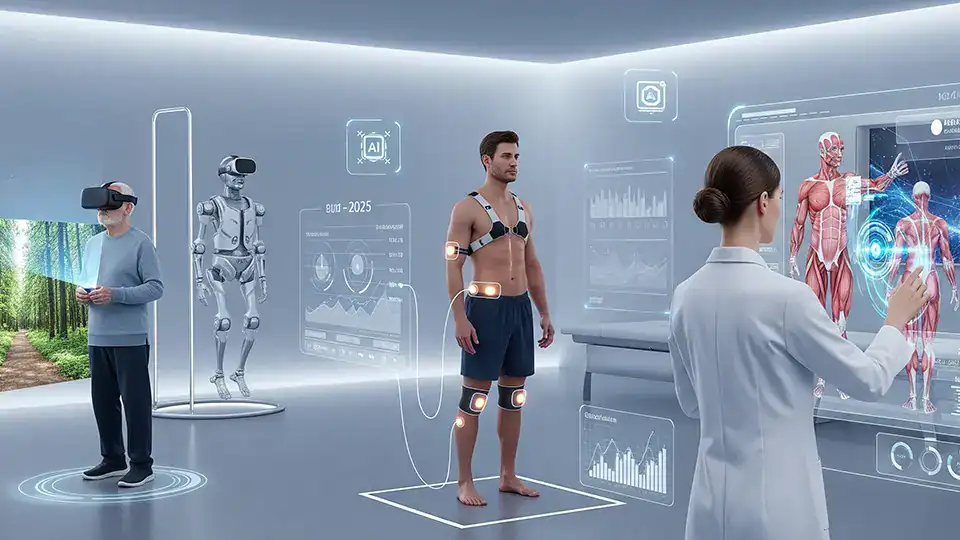
HP2030 Overview and Strategic Priorities
HP2030 is a product of a four-year process involving multiple stakeholders (including government representatives, experts from the private sector, and public input) and focuses on 28 areas within 6 separate branches inducing the following areas:
1. Increasing Healthy Life Expectancy (HLE)
– Target HLE in 2030 will be 73.3 years versus the 2018 Target of 70.4 years
– The goal is to reduce the difference between regional and income groups regarding their Healthy Life Expectancy (HLE);
2. Functional Health and Rehabilitation
– The goal is to maintain mobility, reduce the likelihood for developing disability, and manage chronic health conditions;
3. Chronic Disease Prevention
– Strategies are to encourage people to be physically active; provide training to improve their ability to perform daily functional tasks; and to implement and/or expand community-based interventions;
4. Health Equity
– To ensure that underserved rural areas or low-income areas have access to rehabilitation and prevention services;
5. Integration of Digital and Technological Tools
– To make use of AI, IoT, and tele-rehabilitation technologies to expand individuals’ access to services and to improve their chances of receiving individualized quality care.
Key Roles of Physical Therapy in HP2030
1. Support for a Super-Aged Society
Through physical therapy, we are able to decrease the rate of functional decline when individuals are over 60 years old. Using evidence-based rehabilitation strategies, we can increase mobility, independence, and the quality of life for older individuals through rehabilitation methods.
In addition, community-based rehabilitation programs established by physical therapists have focused on providing:
- Prevention of fall and balance training
- Post-stroke rehabilitation and post-surgical rehabilitation
- Long-Term Community Care Support That Reduces Caregiver Load
Evidence from Korea has shown that providing proactive and function-oriented physical therapy can decrease the need for hospitalization and improve independence while promoting the HP2030 Goals for active longevity.
2. Community-Centered Rehabilitation
HP2030 works to integrate rehabilitation programs into both hospitals and the communities that they serve. A physical therapist serves as a connection between the clinic and your everyday life:
- By providing home-based and neighbourhood rehabilitation programmes
- By creating and leading public health initiatives to promote continued function
- By working as part of an interdisciplinary team to provide continuity of care
These approaches are designed to improve access to rehabilitation services, particularly for people with difficulties moving about and for people who live in rural areas.
3. Preventive & Non-Pharmacological Care
The concept of being under HP2030 is not just about rehabilitating an individual but also providing preventive services (through the use of Physical Therapy) related to NCDs (non-communicable diseases) such as Cardiovascular Diseases, Diabetes, and Musculoskeletal Issues. The following lists the main areas where HP2030’s Physical Therapy scope of practice will address NCDs:
- 1. Development of an exercise program based on a risk profile of each individual;
- 2. Providing education to the community in regard to proper movement/ergonomics;
- 3. Decreasing reliance on pharmaceutical and invasive treatment options with use of Functional Interventions.
These three key roles are in direct correlation with the trend of worldwide policies of promoting prevention/early intervention in health care.
4. Digital Transformation (AI-IoT Integration)
To improve the accessibility and efficiency of rehabilitation services, HP2030 utilizes advances in consistency, efficiency, and reliability in digital technology. The innovations in this area include electronic exercise monitoring and reporting systems that utilize AI, tele-rehabilitation platforms for remote functional assessments, and Internet connectivity based devices, which are used for home health care, to track an individual’s mobility, compliance, and treatment progress.
Overall, using digital technology to provide greater access to underserved populations and enhance individualized treatment is a great accomplishment for the future of rehabilitation services.
5. Health Equity and Accessibility
HP2030’s goals include reducing healthcare disparities related to functional health through the following means:
- Providing more rehabilitation services to those living in rural and low socioeconomic neighborhoods.
- Offering physical therapy as a part of a community health center/public health program.
- Promoting and supporting policies that will help eliminate differences in availability of professional resources.
As a result, physical therapy serves as a means of rehabilitation and social inclusion, as well as ensuring equitable health outcomes.
Workforce and Policy Implications
Demand for physical therapists will continue to rise, especially for those who practice in the community, with elderly clients and in managing chronic disease. HP2030 Focuses on:
- Building on existing professional development and training for physical therapists
- Expanding the authority of physical therapists to function within a larger scope of practice
- Bridging the gap between physical therapy service provision through the use of services offered by the public health and healthcare systems
Physical therapists are:
- Agents of Prevention- Helping reduce the impact and potential for functional decline before the onset of disability, thereby enhancing the wellbeing of the older population.
- Specialists in Rehabilitation- Helping restore function to those with a variety of conditions.
- Promoters of Community Health- Working to improve mobility and wellness at the population level.
Korean Alignment with International Agencies
South Korea’s national health strategy incorporates international trends in public health as indicated by the World Health Organisation (WHO) that include an emphasis on rehabilitation as an essential health service and the Health in All Policies (HiAP) approach which integrates health considerations into all decision-making across all sectors. While explicitly promoting healthy public policy, interdisciplinary collaboration, and community participation through the HP2030 initiative, South Korea is creating numerous opportunities for the inclusion of physical therapy within prevention and rehabilitation strategies on a national basis. Additionally, South Korea is aligned with the WHO Rehabilitation 2030 initiative that states rehabilitation is one of the fundamental components of healthcare and with the United Nations (UN) Sustainable Development Goals (SDGs) primarily about health and well-being, reduction of health inequalities and the development of safe and healthy communities. This alignment provides a model for other nations facing similar epidemiological and demographic transitions in relation to healthcare, such as Japan, the European Union, and India.
Conclusion
Physical therapy plays a vital role in realizing HP2030’s goal of a future where all individuals have an opportunity to live a full and healthy life. Although not referred to specifically as a stand-alone therapy program, principles of physical therapy are woven throughout HP2030. There are several areas where they can be found, including:
- Support for functional rehabilitation and mobility
- Support for preventive approaches for chronic disease
- Development of strategies for active aging and creating community-based supports to enhance community health
- Use of digital health tools and AI to facilitate rehabilitation
- Focusing on providing equitable access to services.
The South Korean experience with HP2030 also represents a significant shift in the health strategy of South Korea from treatment to prevention and from treatment to function-based. The success of HP2030 may serve as an effective model for all other countries when developing rehabilitation-oriented, prevention-focused healthcare systems in response to the increasing numbers of older adults and higher rates of chronic disease.
Written by – Anjali Gupta
About the author –
Hi! I’m Anjali Gupta, a healthcare student whose interest in healing and well-being naturally led me toward Korean culture — a place where wellness, balance, and tradition beautifully blend with modern living. I enjoy writing simple, emotional, and meaningful pieces that help readers connect with a culture rather than just learn about it.