
From wild greens and fresh seafood to strawberry desserts, here’s how Korea welcomes spring one bite at a time…
After months of cold winds and hearty, warming meals, spring in South Korea arrives like a gentle reset. The air softens, flowers begin to bloom, and the food follows suit. Korean spring cuisine is not about heaviness or indulgence. It’s about freshness, balance, and quiet nourishment. It reflects a deep connection to nature, where ingredients are chosen not just for taste, but for how they align with the season.
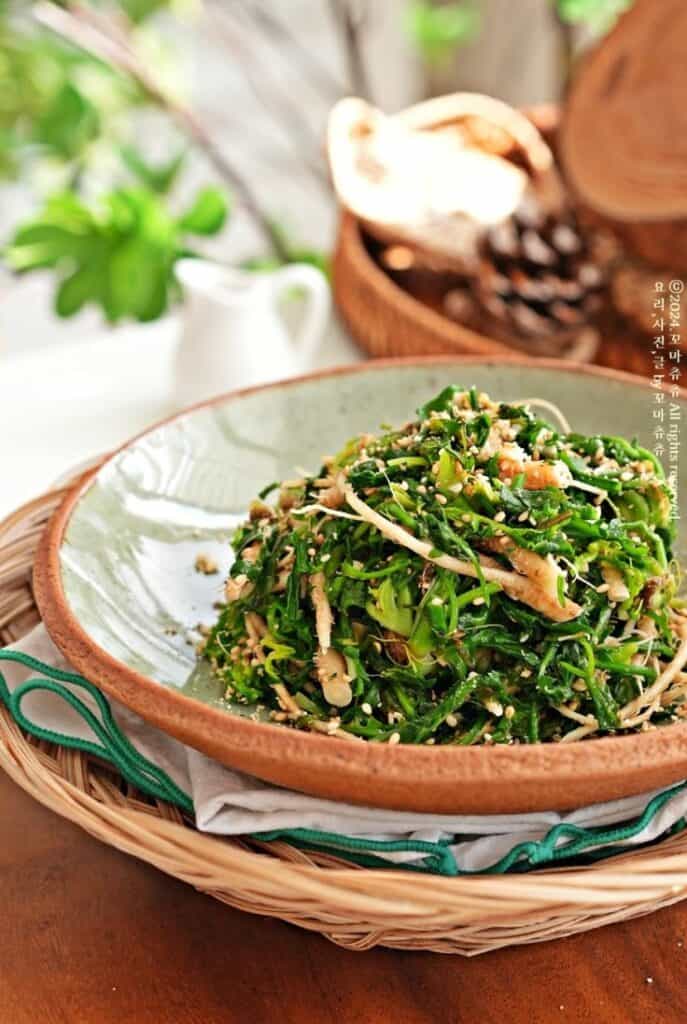
From foraged greens and delicate seafood to vibrant desserts that celebrate the sweetness of the season, spring in Korea is something you don’t just see, you taste it.
Spring Greens (Bom Namul): The Soul of the Season
At the heart of Korean spring cuisine lies 봄나물 (bom namul), a variety of wild and cultivated greens that begin to appear as winter fades. These greens are slightly bitter, earthy, and incredibly refreshing. In Korean food culture, that subtle bitterness is not a flaw; it’s a sign of health, detox, and seasonal transition. After winter’s rich foods, bom namul helps the body feel lighter and more balanced.
Some of the most loved spring greens include:
- Naengi (냉이) – shepherd’s purse, often used in soups
- Ssuk (쑥) – mugwort, known for its herbal aroma
- Dallae (달래) – wild chives with a mild garlic flavor
They are usually served simply, lightly blanched, seasoned with sesame oil, garlic, and soy sauce, or added to warm rice and soups.
Must-Try Dish: Naengi Guk (냉이국)
A light, comforting soup made with shepherd’s purse, often paired with soybean paste broth. It’s earthy, slightly nutty, and incredibly soothing like a quiet morning in early spring.
Jukkumi (쭈꾸미): The Seafood That Signals Spring
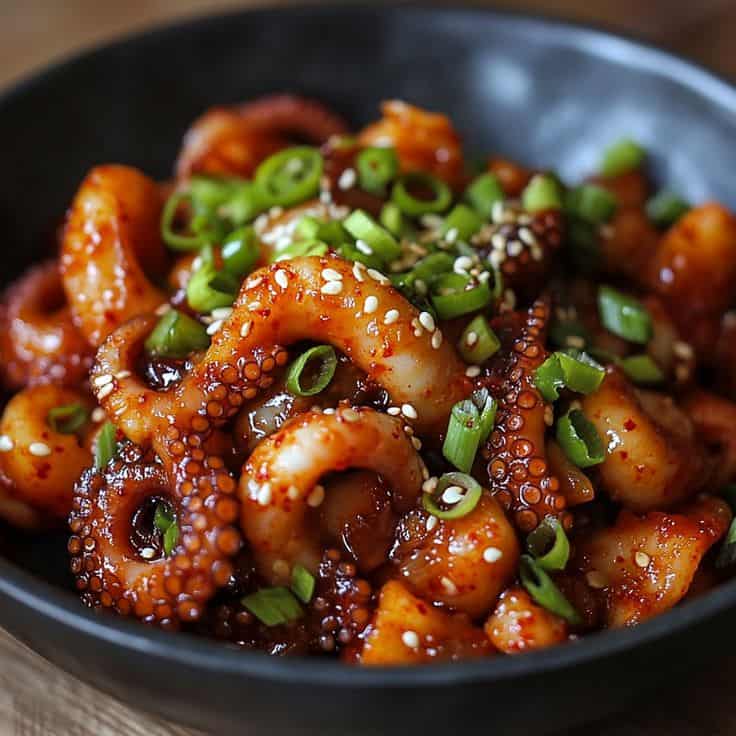
Spring is also the season for jukkumi, or small octopus, one of Korea’s most beloved seasonal seafoods.
Tender, slightly chewy, and packed with flavor, jukkumi is often stir-fried in a spicy gochujang-based sauce, creating a dish that is both fiery and deeply satisfying. It’s commonly enjoyed during March and April, when the octopus is at its freshest.
In Korean culture, eating seasonal seafood like jukkumi is a way of staying in rhythm with nature, a philosophy that runs through much of the country’s food traditions.
Must-Try Dish: Jukkumi Bokkeum (쭈꾸미 볶음)
A spicy stir-fried octopus dish, often served with vegetables and sometimes paired with rice or noodles. It’s bold, vibrant, and perfect for those who enjoy a little heat.
Ssuk in Spring: The Taste of Tradition
If there’s one ingredient that truly captures the essence of Korean spring, it’s ssuk (mugwort).
With its slightly bitter, herbal flavor and deep cultural roots, ssuk has been used in Korean cuisine for centuries. It’s especially popular in traditional sweets and rice cakes, where its earthy taste is balanced with subtle sweetness.
Must-Try Dish: Ssuk Tteok (쑥떡)
Soft, chewy rice cakes infused with mugwort, often filled with sweet red bean paste. The flavor is unique, slightly grassy, gently sweet, and deeply nostalgic for many Koreans.
Ssuk is more than just an ingredient; it’s a reminder of home, tradition, and the changing seasons.
Strawberry Season: Korea’s Sweetest Spring Obsession
If spring had a flavor in Korea, it might just be strawberry.
From late winter into spring, strawberries take over cafés, bakeries, and dessert menus across the country. Unlike mass-produced varieties, Korean strawberries are known for being exceptionally sweet, juicy, and fragrant.
Spring is the perfect time to indulge in:
- Fresh strawberry cakes
- Strawberry milk and lattes
- Parfaits and seasonal desserts
Cafés often design entire menus around strawberries during this time, turning dessert into a full seasonal experience.
Must-Try Treat: Strawberry Shortcake (딸기 케이크)

Light sponge cake layered with fresh cream and strawberries, simple, elegant, and incredibly satisfying.
Light and Comforting Broths: A Seasonal Reset
As the weather warms, Korean meals shift from heavy stews to lighter, cleaner broths.
Spring soups are often: Less oily, More vegetable-focused, and gently seasoned
They’re designed to refresh rather than fill, offering comfort without heaviness. Dishes like soybean paste soups with greens or light anchovy broths become everyday staples, especially in home cooking.
At Last Spring that you can Taste
Spring in Korea doesn’t arrive all at once; it unfolds slowly, in small, meaningful ways. And the food mirrors that rhythm. A handful of wild greens on your plate, a warm bowl of soup, the first bite of a sweet strawberry, these aren’t just seasonal dishes; they’re quiet reminders that something is changing.
In Korea, eating with the season isn’t about trends or indulgence. It’s about paying attention. And in spring, that attention turns into something gentle, nourishing, and beautifully alive.
Article Compiled & Written By: Trisha Deka
About the Author –

Think of Trisha as your modern-day storyteller for a dynamic culture. She’s got a sharp eye for the moments where tradition and hyper-modernity collide in Korea. One minute, she’s breaking down the latest digital trends from Seoul, and the next, she’s explaining the timeless ritual of a tea ceremony. Her writing is your front-row ticket to understanding not just the “what” of Korean culture, but the “why” that makes it so captivating.