
If K-Dramas on your screen and K-Pop exposure through concerts make you believe that you know South Korea, think again. Beyond the neon lights of Seoul and perfectly styled idol lives, there is much more waiting to surprise you. There lies a world full of unique laws, fascinating habits and tiny culture shocks that make the visitors pause and go, ‘Wait…, what?’. From strict recycling rules to the mystery of why Google maps do not work as expected, Korea follows its own unique rhythm – and that is exactly what makes the visitor experience unforgettable. These differences in laws, habits and cultural nuances provide insights into the Korean values such as order, respect and social harmony.
When Google maps fail and trash gets complicated: Korean Laws that catch you off-guard
One of the first surprises for many foreigners is discovering that Google maps that is mostly used for navigation purposes does not work properly. Due to national security reasons, detailed map data is restricted. Instead, Korean platforms such as Naver maps and Kakao maps are widely used for navigation.

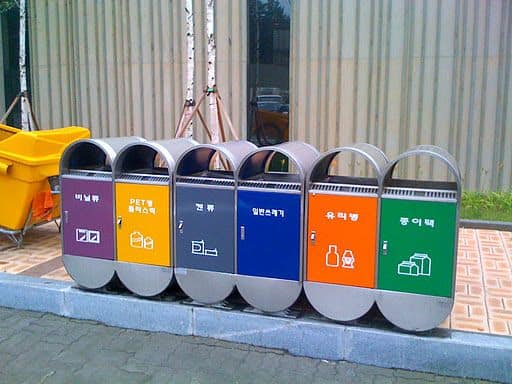
Another important law that is seen abided by diligently is pertaining to the waste management regulations. Trash isn’t all just trash here. Food waste, recyclables and general waste must be separated carefully. In many apartment buildings, food waste is weighed and charged, making people conscious of leftovers. Improper disposal of waste may result in disapproving looks and fines. These rules support the country’s environmental sustainability efforts.
The peninsular country also takes defamation very seriously. South Korea also has strict defamation laws where public statements that harm a person’s reputation can be punishable, even if the information is factually correct. This reflects a strong cultural emphasis on personal dignity and social reputation.

Speed, structure & social norms: Korean habits you will notice first and understand later
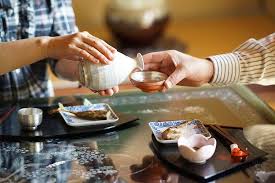
Age hierarchy plays a central role in Korean society. In the Korean language, age effects the language you use. It also dictates how you behave, who eats first and even who pours a drink first. Honorific speech is used as a sign of respect when addressing elders and age is often established early in conversations.
Workplace and social culture often include group dinners and social gatherings, particularly among colleagues. These events help build team work and trust, although participation is generally seen as an internalised part of professional etiquette rather than an obligation.
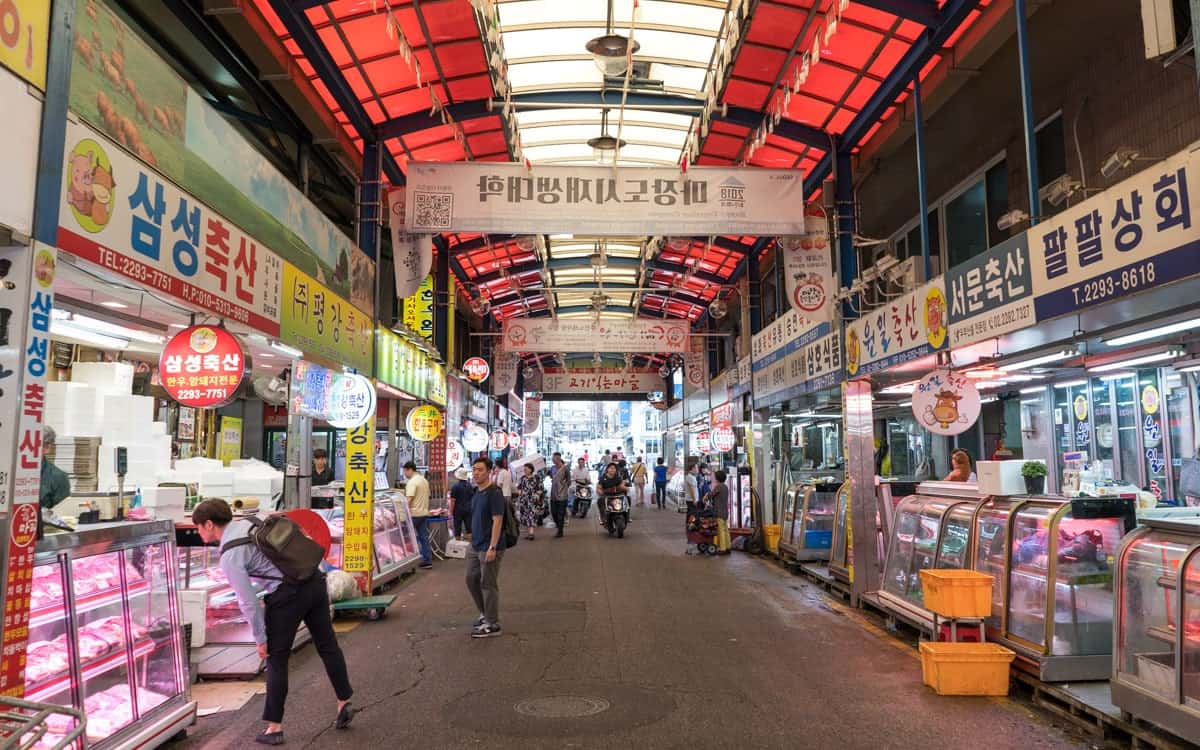
Then there is the legendary ppalli-ppalli (quick-quick) culture, which shapes almost every aspect of daily life in Korea. Speed and efficiency are highly valued, whether it is at work, in customer service or in everyday tasks. This fast-paced mindset highly influences work places where quick decision making and productivity are expected, making life in Korea feel constantly energetic and always on the move.
No Tips, no Shoes, No Noise: Korea’s quiet Cultural shocks
One common surprise for the visitors is the absence of tipping culture often seen in many other countries. Service fees are usually included priorly in prices and tipping is neither expected nor encouraged.
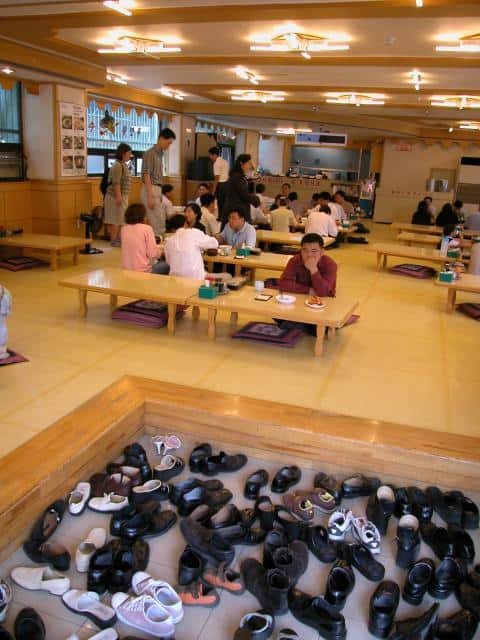
Removing shoes before entering indoors, which is a common Asian practice, is also seen in Korea. This custom helps maintain cleanliness and reflects respect for shared living spaces.
Also, K-Beauty that has made its own place in the world, is not gender-restricted in Korea, unlike some other countries where male skin care is often considered not normal. Skincare and grooming in Korea are normalised for all genders and cosmetic stores are common throughout the country.
Another uncommon behaviour that might take a visitor by surprise is the extent of reservedness of people in public places. It is very common in the country that while commuting through public transport, they prefer little to no speaking, unless it is an inevitable situation which on the outlook contributes to an orderly and peaceful environment even if the places are crowded.
Only in Korea – But that’s the charm
The laws, habits, and cultural norms of South Korea may initially feel unfamiliar, but they are deeply connected to the country’s values of respect, efficiency, and collective responsibility. Understanding these cultural differences helps visitors and residents adapt more easily and appreciate what makes Korean society distinct. These “only in Korea” experiences ultimately offer valuable lessons in cultural awareness and global understanding.
Written By: Sowmya K
About the author: Sowmya Omkar is a passionate polyglot and linguistics enthusiast whose love for Asian languages – especially Korean – naturally expanded into a deep curiosity for culture behind them. Her creative spirit and interest in linguistics inspire her to write about how cultural nuances and subtleties of a language combine to make this world a complex yet fascinating and diverse yet inclusive place. Blending creativity with cultural exploration she aims to write articles that highlight Korea – its language, traditions and stories that make it unique.