
Music has always had a special kind of super power. You don’t need to understand every word for a song to touch you .Sometimes it just happens.
K-Pop understood this early on.
Long before subtitles, lyric breakdown videos, or global marketing promotions K-Pop songs were already reaching listeners across countries and cultures. People didn’t wait to understand the language,they connected with the music first—and that feeling was enough.
When the Song Hits Before the Meaning
For a lot of people, the first K-Pop song they ever heard didn’t come with context. It just showed up—and stayed.

Take “Gangnam Style.” Most listeners had no idea what “Gangnam” even meant. It didn’t matter. The beat was catchy, the dance stayed in mind, and the energy was impossible to ignore. You didn’t analyze the song—you joined it. You laughed, danced, and replayed it.
That’s how many international fans entered K-Pop: through sound, not translation. Melody came before meaning.
Songs like “Blueming” pulled people in with warmth and brightness. Even without understanding the lyrics, the emotion felt familiar—like a happy text message you didn’t need to read twice.
“Eleven” and “Love Dive” carried confidence and elegance so clearly that language almost felt unnecessary. The mood said everything.
Hooks That Made Korean Feel Natural
Some songs didn’t just sound good—they stayed in your head whether you wanted them to or not.
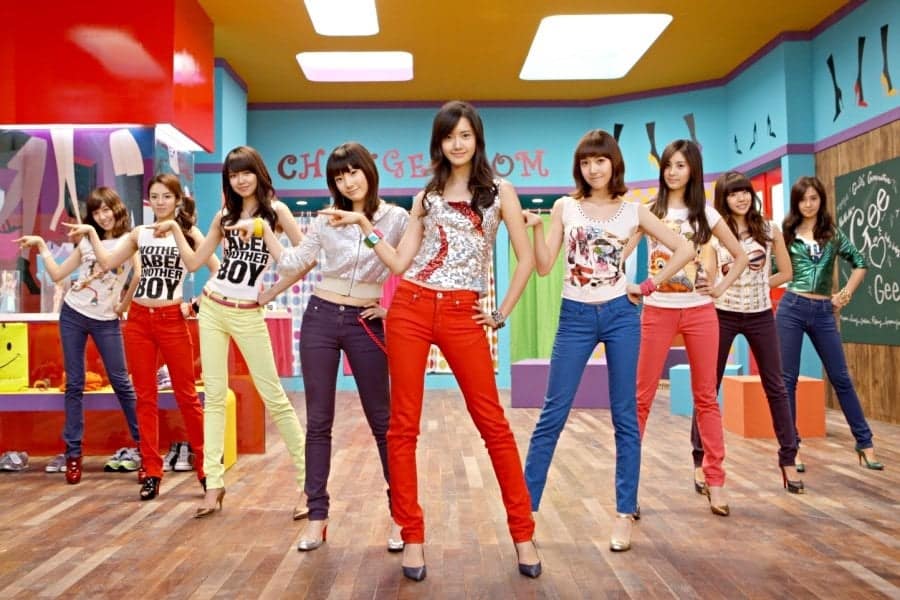
“POP!”, “Fancy”, and “Gee” are perfect examples. The repeated lines, simple words, and playful style made it easy to sing along. You didn’t notice it at the time, but you were already learning Korean. Not from a book. From a chorus stuck in your mind.
Even softer tracks like “%% (Eung Eung)” proved that you don’t need loud beats or heavy English lyrics to cross borders. Sometimes quiet emotions travel further.
English as an Invitation, Not a Crutch
What’s interesting is that K-Pop never tried to erase Korean to go global. Instead, artists used English gently—like a hand reaching out, not a replacement.
Songs like “Growl” or “TT” didn’t rely on long English verses. They relied on expressions, repetition, and emotion. Listeners picked up words naturally, without trying.
“DDU-DU DDU-DU” mixed bold visuals with just enough English to pull people in, while keeping its Korean core strong.

And when it comes to BTS, songs like “Spring Day,” “Fake Love,” and “Life Goes On” didn’t need full understanding to hit hard. The emotion arrived first. The meaning followed later.
For many fans, these songs weren’t just entertainment. They were their first Korean lessons—without them even realizing it.
When Performance Speaks Louder Than Words
K-Pop has always understood the power of visuals and movement.
“Feel My Rhythm” caught attention through its artistic concept before anyone worried about lyrics. “Queendom” felt like a shared celebration—confidence and togetherness don’t need subtitles.
“Me Gustas Tu” spread across countries because of its melody and choreography. The title itself mixed languages, yet the feeling was instantly clear.

Songs like “How You Like That,” “WANNABE,” and “Not Shy” showed confidence, attitude and independence through performances . Even without understanding the words, you understood the message.
Songs That Quietly Understood You
Not every song that crossed borders was cheerful or loud.
“Can’t You See Me?” connected with people who felt confused, distant, or misunderstood. You didn’t need to understand every lyric to feel it ,the emotion was already familiar.
“BTBT” felt personal and intimate, almost like a late-night conversation. It proved that vulnerability doesn’t need translation either.
Meeting the World Without Losing Identity
Collaborations helped bring new listeners in ,but they never took away what made k pop special.
“Ice Cream” mixed fun and familiarity while still feeling like K-Pop.
BTS collaborations worked the same way—they offered a familiar entry point, then invited listeners to stay for the storytelling, emotion, and language.
These songs didn’t dilute Korean identity. They expanded it.
In the End
K-Pop didn’t cross language barriers by trying to sound Western or easy to explain. It crossed them by trusting emotion.
The connection came first, Curiosity came later.
That curiosity led people to translations, culture, and even learning Korean itself.
K-Pop didn’t force the world to understand it.
It made the world feel something—and once that happened, language stopped being a wall and quietly became a bridge.
Written by – Ankita
About the Author –

안녕하세요(Hello)I’m Ankita — a biology educator who fell in love with Hangul one alphabet at a time and somehow ended up exploring everything that comes with it. From Korean food to fun everyday habits, I adore collecting tiny pieces of Korea and sharing them in the simplest, warmest way possible. Think of this as my little corner where curiosity meets comfort — a soft space on the internet where we discover new flavors, new words, and new stories together. Hopefully, my thoughts nudge you to try something new… maybe a new K-drama today, or a new recipe tomorrow.