
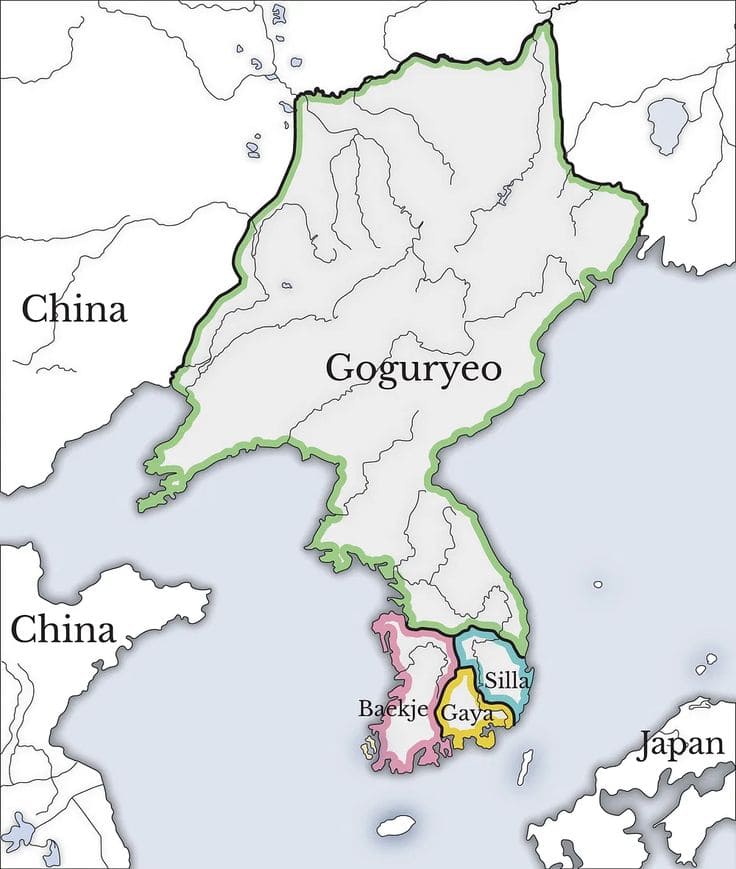
South Korea that we know today was once divided into 3 strong kingdoms, Goguryeo, Baekjae, and Silla that have shaped the countries history, culture, and identity.They were collectively known as the three kingdoms and ruled from 57BCE to 668 CE. The kingdoms evolved from tribal communities into dominant states with constant rivalry, changing alliances, and an eventual unification of most of the peninsula in the late 7th century.
GOGURYEO
Goguryo was the largest among the 3 kingdoms. Its territory stretched from Manchuria in the North to the central Korean peninsula, covering the modern day North Korea. Being a military dominant region, it was considered a regional superpower. Due to its closeness to China, Goguryo had to experience frequent conflicts from China over border control.
However, China also had huge cultural influences on Goguryeo, from administrative structures, to the confucian system. Apart from China, neighboring tribes like the Buyeo also clashed with them constantly, leading the capital to be shifted to Pyongyang.
BAEKJAE
Baekjae was founded by the refugees of the Buyeo tribe who settled along the rivers of South West Korea after conflicts with Goguryeo. Baekjae developed diplomatic ties with China and Japan, becoming a conduit for cultural and artistic exchange between the East Asian region. Stuck between the powerful Goguryeo and Silla kingdoms, Baekjae developed strong maritime routes that aided its trade and defense.
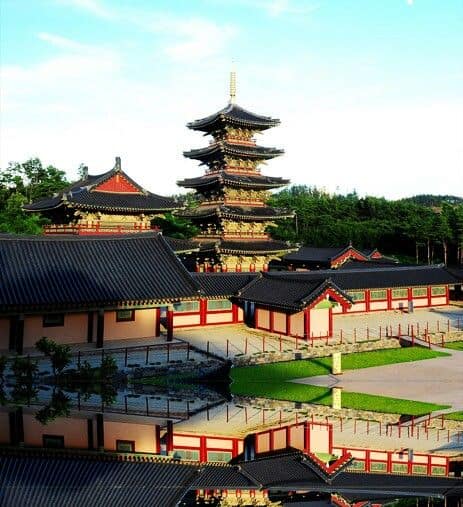
While also being famous for its craftsmanship, pottery techniques, and architectural style, Baekjae was known to have spread these traditions to Japan, including Buddhism as well as Confucian texts. Despite its cultural marvels, frequent conflicts with Goguryeo weakened the kingdom, leading to its collapse by the alliances of Tang and Silla dynasty in 660 CE.
SILLA
The Silla kingdom rose in a geographically isolated region, the southeastern corner of the Korean peninsula, around the walled city of Gyongju. It remained almost untouched by foreign attacks or cultural invasions for a long time that allowed it to develop its own cultural identity, influenced by local traditions. It gained power over time and became strategically successful through the development of the Hwarang. Hwarangs were a group of loyal and hardworking young aristocrats who were trained in a variety of disciplines like martial arts, literature, ethics, music, etc. They became a prominent part of the kingdoms and were crucial in its expansion and defense.
Silla later encountered the Chinese as it gradually started expanding to the parts of the other kingdoms. It established a diplomatic alliance with the Chinese Tang dynasty that helped it in defeating Baekjae and Goguryeo, leading to the unification of the three kingdoms.
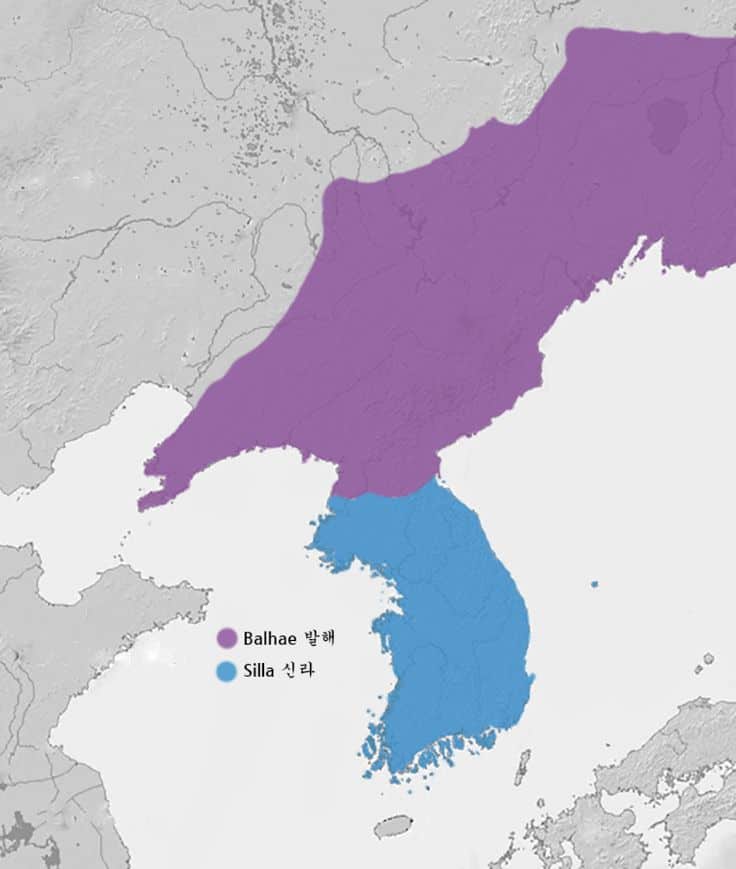
The unified Silla dynasty was remembered as a golden age of Korean history with its flourishing trade, commerce, art and culture. Thus, the three kingdoms of ancient Korea acted as major contributors of culture, art and traditions that built modern day Korea.
Written by – Priyanjana Jha

About the Author –
Priyanjana is a post graduate in Global Studies, with a research background in feminism and cultural studies. Her interests lie in exploring themes related to cross-cultural relations, history and gender identities, with a particular passion for Korean culture and society. She is actively learning the Korean language and sees writing as a way to bridge cultural gaps in the world, and share her stories with others. In her free time, she loves to watch K-dramas and make K-pop dance covers.